China is considering establishing a stock exchange to attract overseas-listed firms and bolster the global status of its onshore share markets, two people with knowledge of the matter told Reuters.
The State Council has asked the securities regulator to lead studies on how to design the exchange that would target Chinese companies listed in offshore markets such as Hong Kong and the United States, said the people.
The government hopes the initiative would also lure marquee global firms such as Apple Inc and Tesla Inc, which would have the option of carving out local businesses and listing them on the new bourse, one of the people said.
The plan comes as Beijing and Washington remain locked in a rivalry that has featured moves by the U.S. securities regulator toward expelling Chinese companies from U.S. exchanges if they do not comply with U.S. auditing standards.
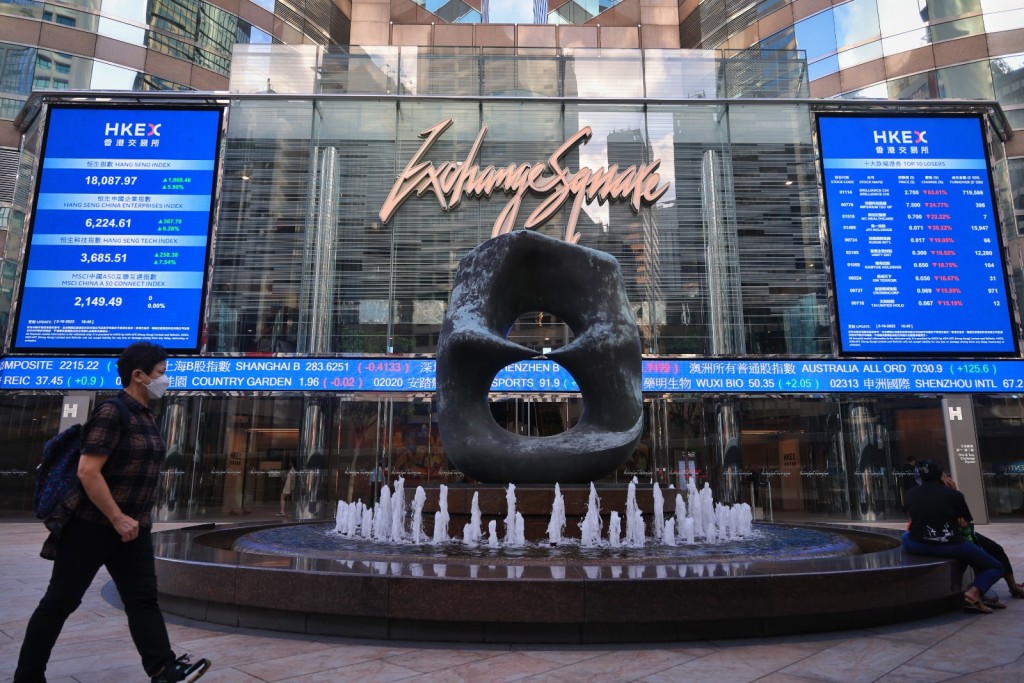
About 13 U.S.-listed Chinese companies including Alibaba Group Holding, Baidu Inc and JD.com Inc have conducted secondary listings worth a combined US$36 billion in Hong Kong over the past 16 months, Refinitiv data showed.
With Sino-U.S. relations showing little sign of easing, bankers and investors expect more such “homecoming” offerings.
Talks for the new exchange are in early stages and a time frame and location are yet to be decided, said the people, who declined to be identified as the discussions are confidential.
The China Securities Regulatory Commission did not respond to a Reuters’ request for comment.
China has two main onshore exchanges, in Shanghai and Shenzhen, with combined listed market capitalisation of 78.7 trillion yuan (US$12 trillion).
The same rules govern initial public offerings as well as non-initial listings, in contrast to some other leading bourses, such as Hong Kong’s, which offer waivers for secondary listings.
One option under discussion is upgrading an existing listing platform such as a smaller bourse in Beijing, said the people.