Read More




ImmD crackdown targets moonlighting domestic helpers arresting 17
19-05-2026 17:52 HKT

One dead, four injured in Jordan flat fire, 200 residents evacuated
22-05-2026 00:48 HKT



Index provider FTSE Russell will remove eight Chinese companies affected by an executive order issued by U.S. President Donald Trump.
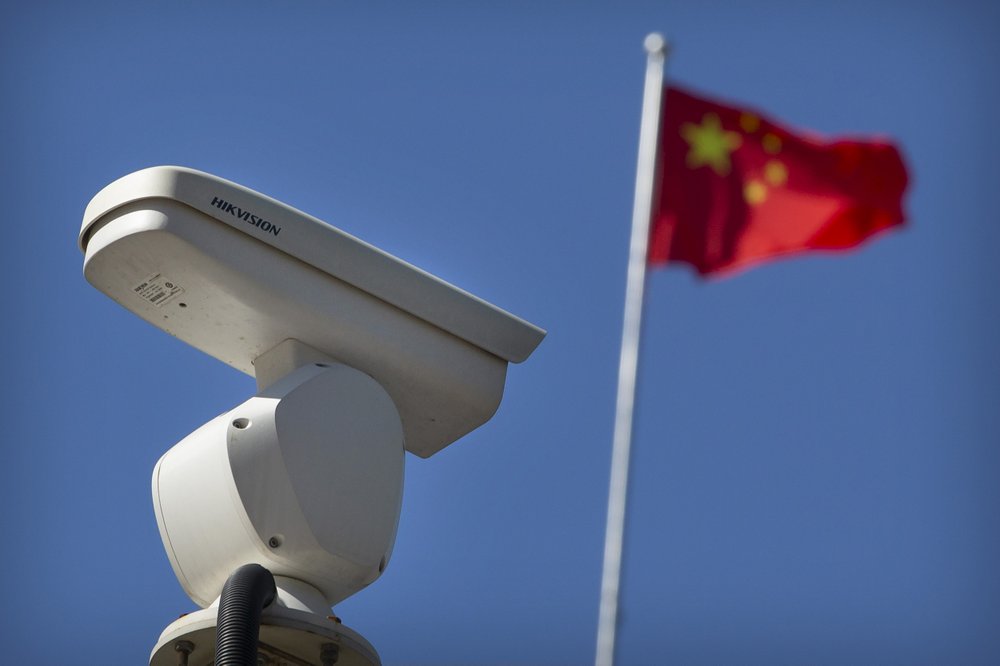
The companies include China Railway Construction Corp., China Communications Construction Co. and Hangzhou Hikvision Digital Technology Co., according to a FTSE Russell statement, Bloomberg reports.
They will be removed from the FTSE global equity indexes and FTSE China A Inclusion index from December 21.
More Chinese companies could be removed if the U.S. publishes an official list of sanctioned securities, according to the statement.
The other companies that will be deleted from the indexes are: China National Chemical Engineering Co., China Spacesat Co. Ltd., China Nuclear Engineering Corp., Dawning Information Industry Group and CRRC.
The move follows the latest White House bid to increase pressure on China for alleged abusive business practices.
The Trump order bars American investments in Chinese firms owned or controlled by the military amid mounting tensions between the two nations and an escalating trade war.
The administration has clamped down on Chinese technology firms over concerns Americans’ private data gathered by companies like TikTok Inc. could be handed over to the authoritarian regime in China.
Other victims of America’s crackdown include Huawei Technologies Co., a key catalyst in the tensions, after Canadian authorities arrested a top executive at the request of the U.S. in 2018.
The exclusion of the companies from the FTSE Russell index came after a consultation with subscribers, the company said. If other securities are affected, the company will issue a notification by the U.S. open on December 14, according to the statement.
The investment prohibitions will come into effect January 11. Nasdaq and MSCI are currently assessing the issue and could release decisions next week, according to the Financial Times.