Read More


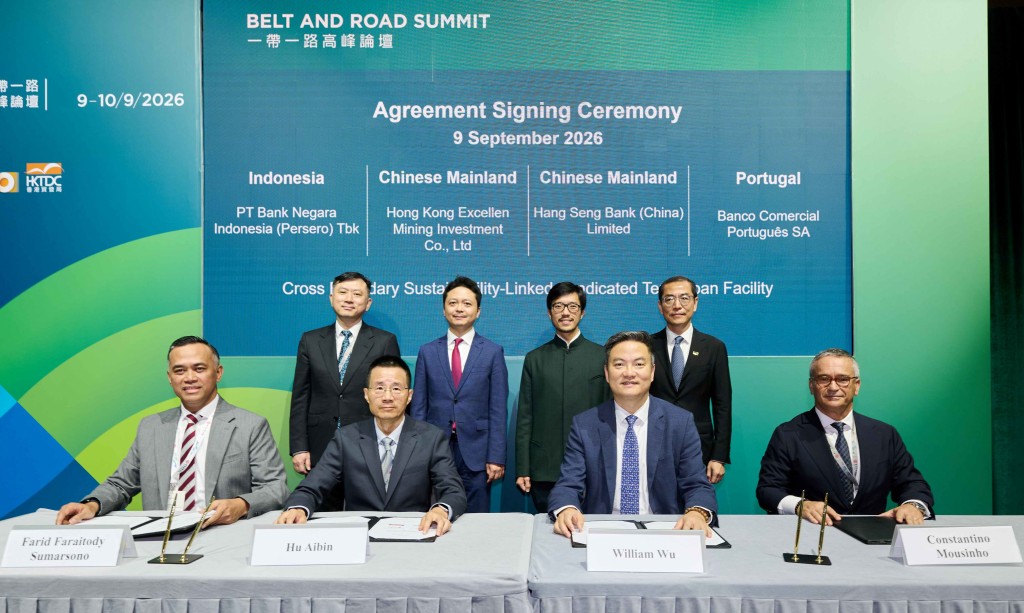
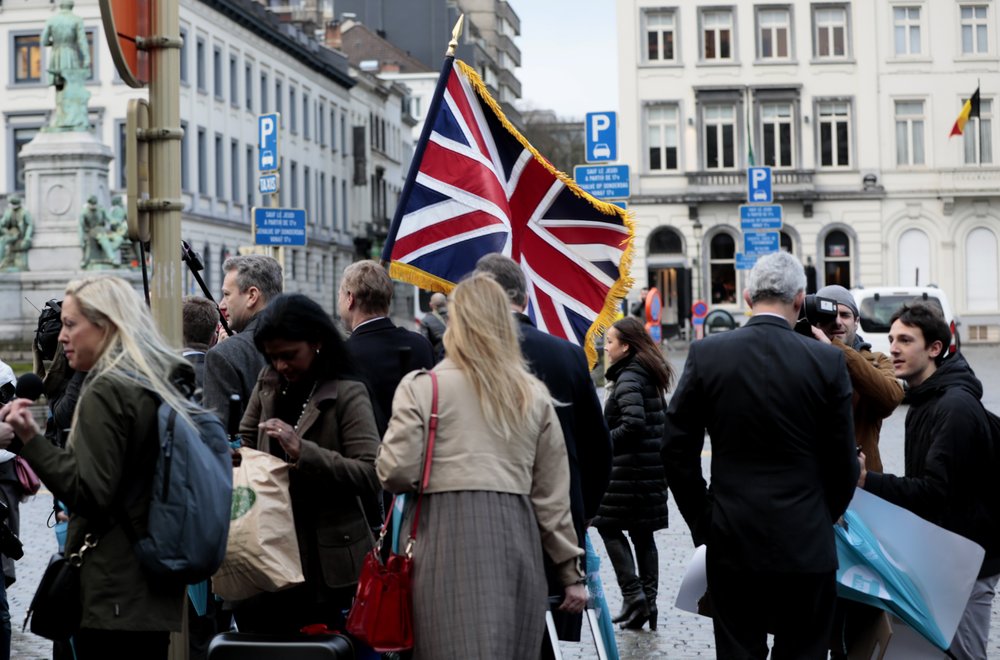
Britain begins the day as a member of the European Union. Its status at the end of the day — as a proud nation that has reclaimed its sovereignty, or a diminished presence in Europe and the world — will still be up for debate.
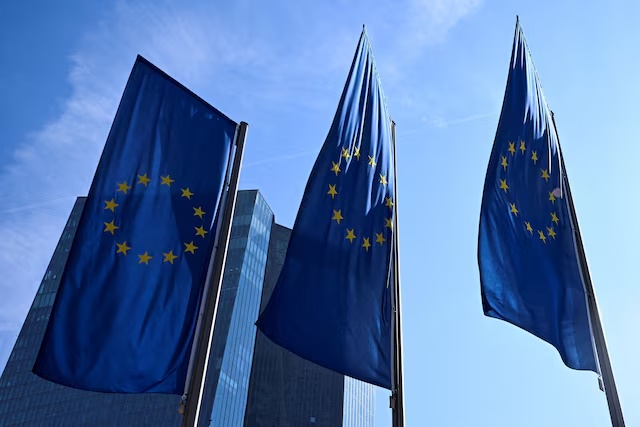
The EU will have to bounce back from one of its biggest setbacks in its 62-year history to confront an ever more complicated world with a new, staunchly free-market competitor just across the English Channel.
Britain officially departs the EU at 11:00 p.m. local time Friday, midnight in Brussels (2300 GMT, 6 p.m. EST). The departure comes 3½ years after the country voted by a margin of 52 percent-48 percecnt to walk away from the club that it had joined in 1973.
It’s the first time a country has left the EU, and many in the bloc rued the day. In Brussels, EU Commission President Ursula von der Leyen lamented that “as the sun rises tomorrow a new chapter for our union of 27 will start.”
But she warned Brexit day would mark a major loss for the U.K. and said the island nation is heading for a lonelier existence. “Strength does not lie in splendid isolation, but in our unique union.” Newspapers across the continent were marking the departure with headlines of “Adieu to Europe” and “Bye-Bye!” next to a Union Jack flag.
U.K. Prime Minister Boris Johnson is to meet in the morning with his Cabinet in the pro-Brexit town of Sunderland, in northeast England. He is scheduled to deliver a televised address to the country an hour before departure, calling Brexit “not an end but a beginning.”
According to his office, he will describe it as “a moment of real national renewal and change.”
The government hopes the moment will be marked in a dignified, nontriumphalist fashion, with red, white and blue lights illuminating government buildings and a countdown clock projected onto the prime minister’s 10 Downing St. residence.
Some Brexit supporters will be holding more raucous celebrations. Arch-Brexiteer Nigel Farage and his band of devotees will gather for patriotic songs and speeches in London’s Parliament Square to mark a moment that even Farage sometimes doubted would ever come.
Others do not feel like indulging in any festivities. Lawyer Alice Cole-Roberts said Friday morning she expects “more and more frustration” as Brexit unfolds.
“It’s a very sad day,” she said. “I’m very upset that we are leaving the European Union and I simply wish it didn’t happen.”
For the next 11 months, the EU and Britain will already be pitted against one another as they seek to negotiate a trade and security deal as part of their new relationship.
“It is clear that the EU will be united in defending its interests,” von der Leyen said. “For all third countries, the rule is that only by recognizing the EU single market rules can you reap the rewards.” Britain has already vowed it will not agree to follow an EU rule book in return for unfettered trade.
“As good friends, we can be tough and fair in negotiations,” she said.
Britain was never a wholehearted EU member, but actually leaving the bloc was long considered a fringe idea. It gradually gained strength within the Conservative Party, which has a wing of fierce “euroskeptics” — opponents of EU membership. Former Prime Minister David Cameron eventually agreed to hold a referendum, saying he wanted to settle the issue once and for all.
It hasn’t worked out that way. Since the 2016 vote, the U.K. has held fractious negotiations with the EU that finally, late last year, secured a deal on divorce terms. But Britain is leaving the bloc arguably as divided as it was on referendum day.
By and large, Britain’s big cities voted to stay in the EU, while small towns voted to leave. England and Wales backed Brexit, while Northern Ireland and Scotland voted to remain.-AP