Read More





ImmD crackdown targets moonlighting domestic helpers arresting 17
19-05-2026 17:52 HKT

One dead, four injured in Jordan flat fire, 200 residents evacuated
22-05-2026 00:48 HKT


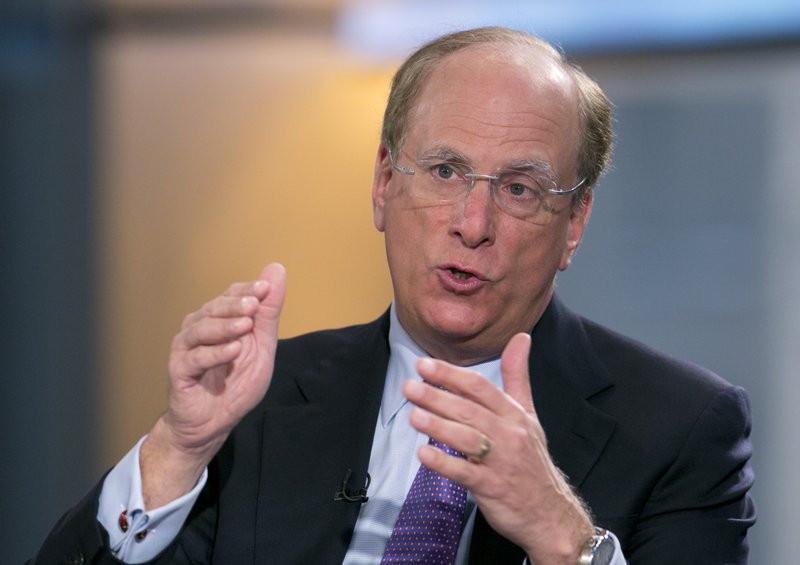
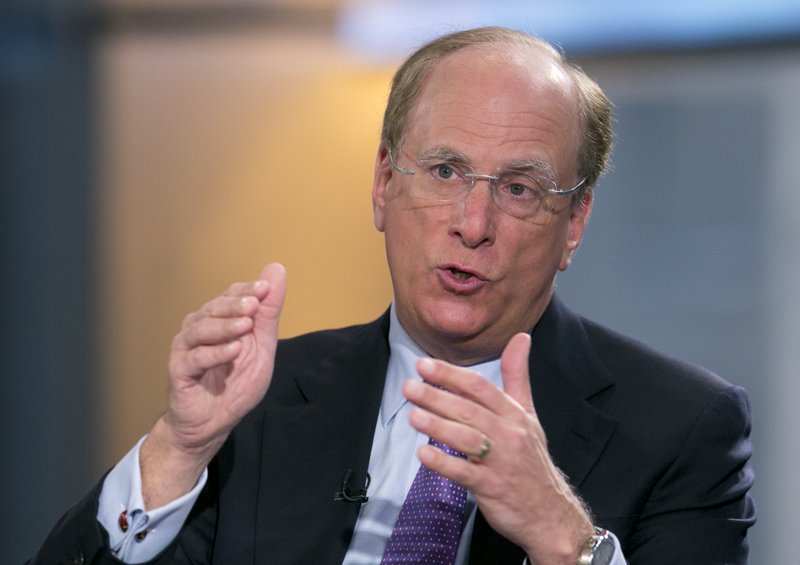
A changing climate means dramatic risks for the world — and for investments too, the chief of the world’s largest investment manager said Tuesday.
To prepare for and protect against those risks, BlackRock Chief Executive Laurence Fink said in his influential annual letter to CEOs that his firm, which manages roughly US$7 trillion for investors, will make a series of moves putting climate change and sustainability at the center of its investing approach.
Among them, BlackRock will cut out investments in some coal producers from some of its portfolios, sharply increase the number of sustainability-focused funds that it offers, and vote against companies at shareholder meetings when they’re too slow in disclosing and mitigating their impact on the environment.
“Climate change has become a defining factor in companies’ long-term prospects,” Fink wrote in his letter, adding that he believes “we are on the edge of a fundamental reshaping of finance” because of it.
Fink predicted that the changes in how capital is deployed will come “more quickly than we see changes to the climate itself,” and “sooner than most anticipate.”
In fact, the shift is already underway.
Investors poured a net US$20.6 billion into sustainable funds across the industry last year, nearly quadruple the record set a year earlier, according to Morningstar. Investors, particularly younger ones, increasingly say they want their money invested with an eye toward sustainability. The total dollars are still small relative to the entire industry — investors plugged a total of US$413.9 billion into all taxable bond funds last year, while yanking US$41.3 billion out of all U.S. stock funds — but the trend is clear and accelerating.
Fearful of losing out on those dollars — and the fees that they produce — investment companies are rushing to meet the surging demand.
BlackRock and other huge asset managers are generally behind smaller competitors when it comes to sustainability, said Danielle Fugere, president of shareholder-advocacy group As You Sow. BlackRock, State Street, Vanguard and others have been criticized for not doing more about the environment. Besides protests outside its Manhattan headquarters, BlackRock has also heard criticism from members of Congress who believe it could better address climate change.
For all the noise made by Fink’s announcement, the reaction in the stock market was muted on Tuesday. Energy stocks in the S&P 500 were down, but not as much as some other corners of the market. Coal stocks were mixed.
In his letter, Fink said companies and investors have a role to play in the transition to a low-carbon world, but governments will ultimately need to lead the way.
Some movement has begun. The European Union on Tuesday unveiled a plan to dedicate a quarter of its budget to tackling climate change and to help shift 1 trillion euros in investment towards making the economy more environmentally friendly over the next 10 years. The Europe Investment Plan will be funded by the EU budget and the private sector. It aims to deliver on European Commission president Ursula von der Leyen’s Green Deal to make the bloc the world’s first carbon-neutral continent by 2050.
“It will be interesting to see whether BlackRock’s high profile move will have any impact on policy,” Borrus said. “Government can do much more in the long run on climate change than investment flows.”-AP