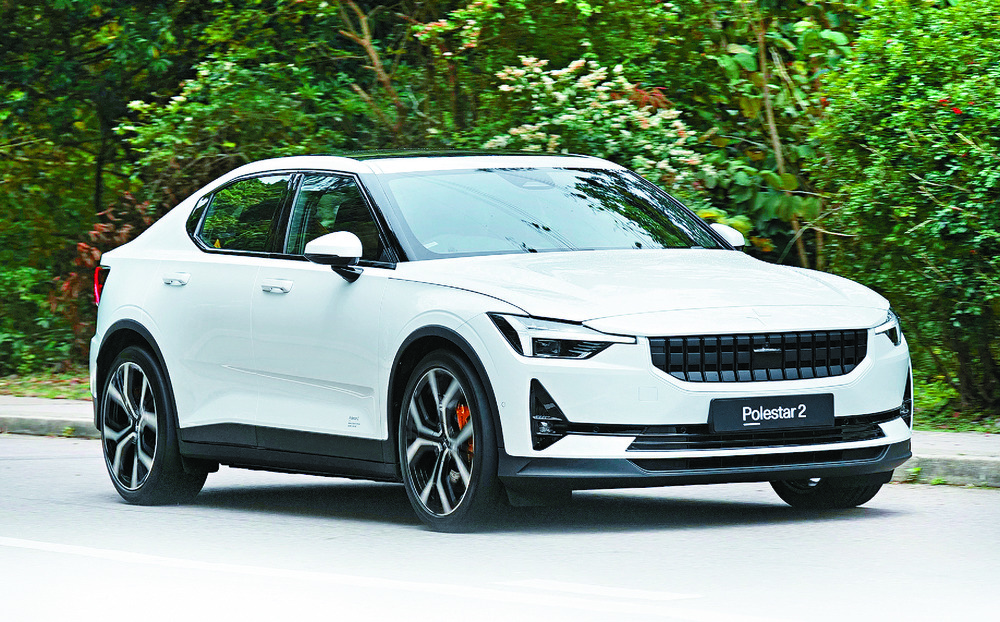
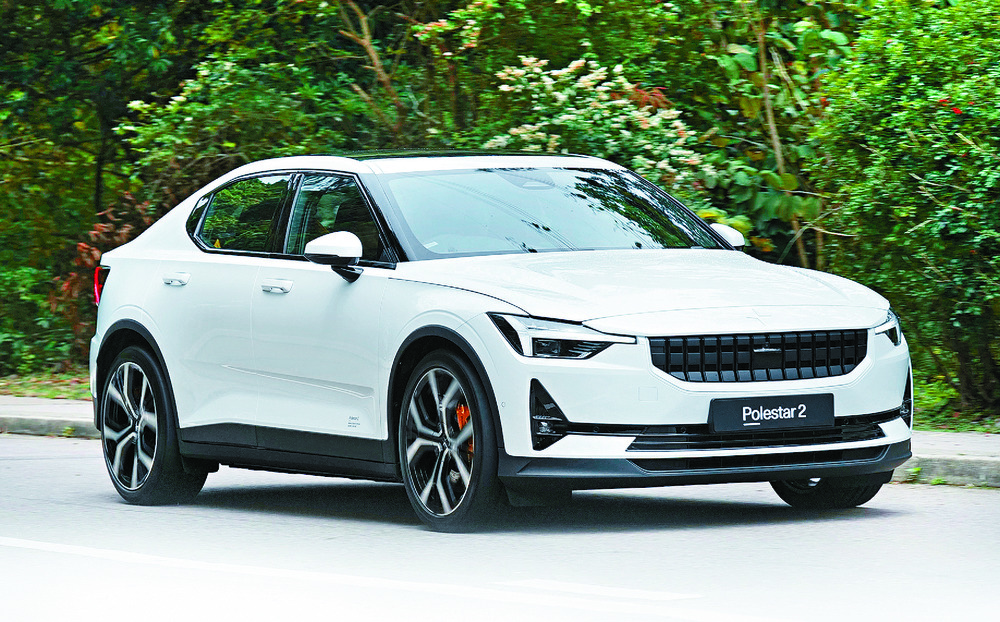
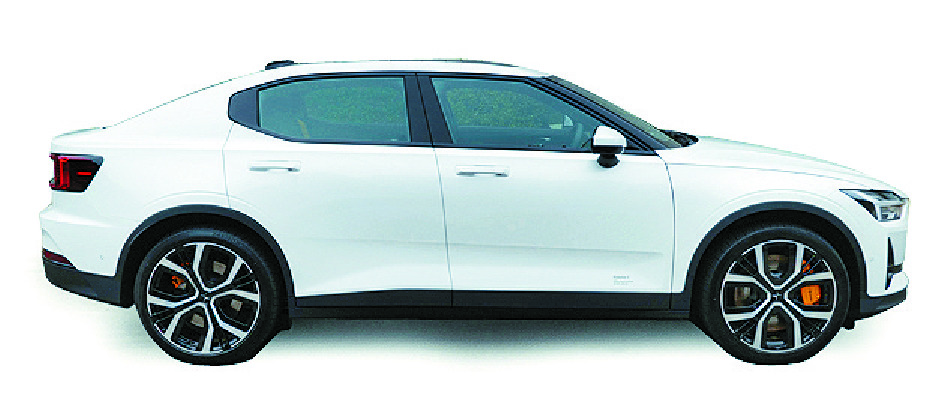
The order book opens for the Polestar 2 in Hong Kong. The car's local debut lags behind those in the major car markets of Europe, mainland China and the United States.
ADVERTISEMENT
SCROLL TO CONTINUE WITH CONTENT
The what? Understandably, readers of this column need a little introduction to the Polestar brand.
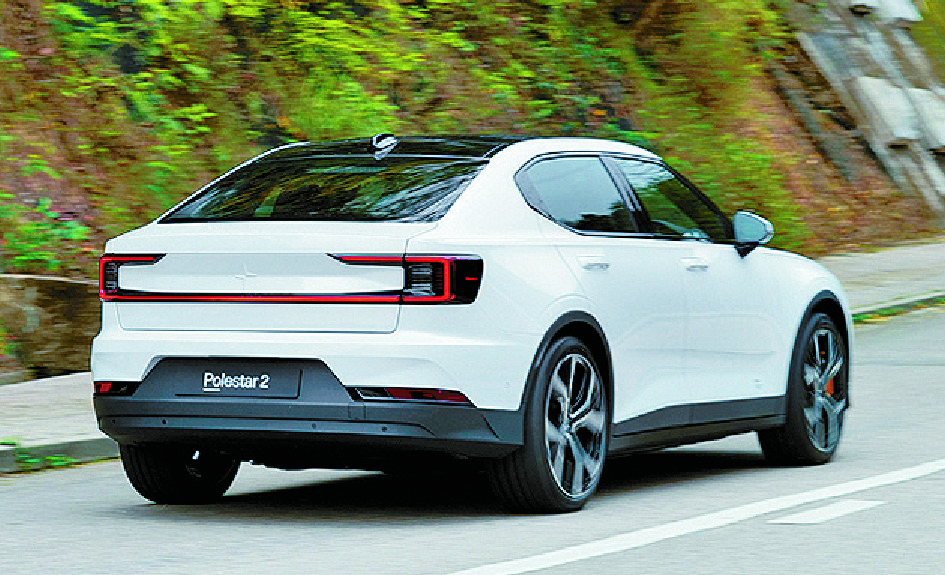
But first thing first, the Polestar 2 is a battery-electric car characterized by a distinctive design inside and out. Unlike most of its competitors, the Polestar 2 is not a crossover vehicle and SUV. Its body design resembles a more conventional sedan, but with a hatchback for added practicality.
The car features performance levels and a driving range at least matching the key players in the HK$500,000 price bracket, which includes the likes of the Tesla Model 3 and Model Y, Mercedes EQA and the BMW iX3.
Back to the brand.
Polestar traces its roots to 1996 when Swedish touring car ace Jan Nilsson set out to build a Volvo race car to compete at the Swedish Touring Car Championship under the name Flash Engineering.
The fact that he was off to work with another brand a decade after starting the Volvo partnership - notwithstanding multiple successful seasons - means the outfit's early development and its relationship with the name Polestar are at best lightly touched on in the brand's history book.
After the departure of Nilsson, under new management headed by racing engineer Christian Dahl, the team strengthened its ties with Volvo by adopting the name Polestar Racing in 2005.
Over the years, in addition to the racing program, Polestar also developed high-performance Volvo road cars.
In 2015, Volvo Cars purchased the performance division outright from Polestar, with the plan of offering rapid and powerful variants for the brand in the mold of the Mercedes-AMG and BMW.
Two years later, though, the focus of the brand shifted toward making pure electric vehicles and Polestar was established as a new, stand-alone Swedish electric vehicle brand.
Of course, both Volvo and Polestar are subsidiaries of the expanding Geely Auto based in Hangzhou, Zhejiang. Independently-managed Polestar is currently led by a team headed by CEO and veteran car designer Thomas Ingenlath and the team is composed of predominantly European executives.
Like many of its direct rivals, the Polestar 2 is built in mainland China. Designed by Norwegian architectural firm Snohetta, the Luqiao factory located outside Chengdu in western China takes pride in being "the most ecologically sound manufacturing hub" in the country.
Three versions of the Polestar 2 are available in Hong Kong: the Standard Range with 470km range (WLTP) at HK$349,800, the Long Range single motor with 540km at HK$399,500 and the Long Range dual motor with 480km at HK$499,500. All the prices are under one-for-one replacement scheme.
The first two featuring a sole motor are front-wheel-drive models whereas the dual motor version drives all four wheels.
Sing Tao Daily car critic Daniel Pang, who has taken the top dual motor version for a road test, speaks highly of the car's blistering performance, responsive handling and solid build quality.
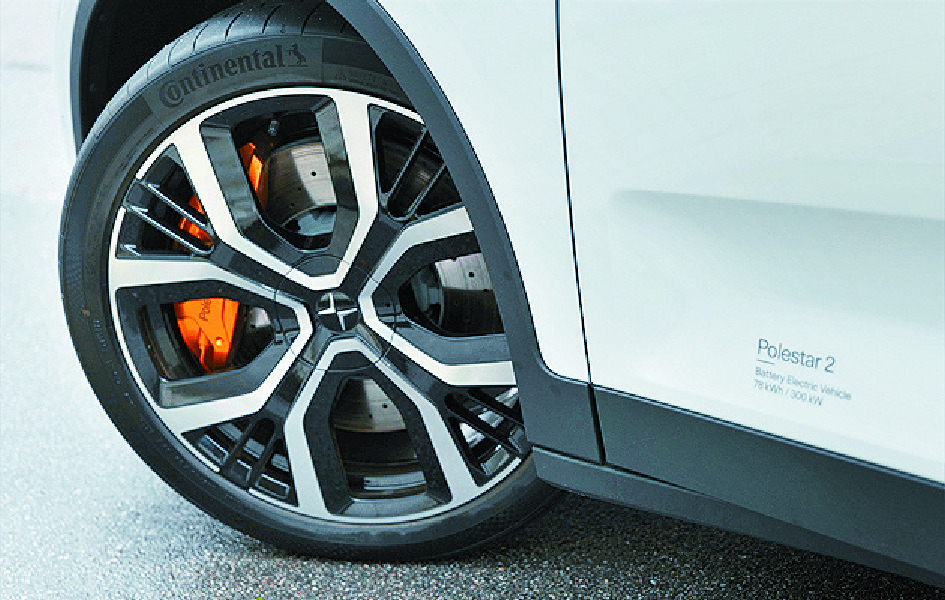
The dual motor version he tried his hands on comes standard with a Brembo brake system and Ohlins dampers, which are two of the most revered brands in the motorsports and performance car spaces.
While he found the suspension on the firm side, he praised the highly effective braking and recuperation system.
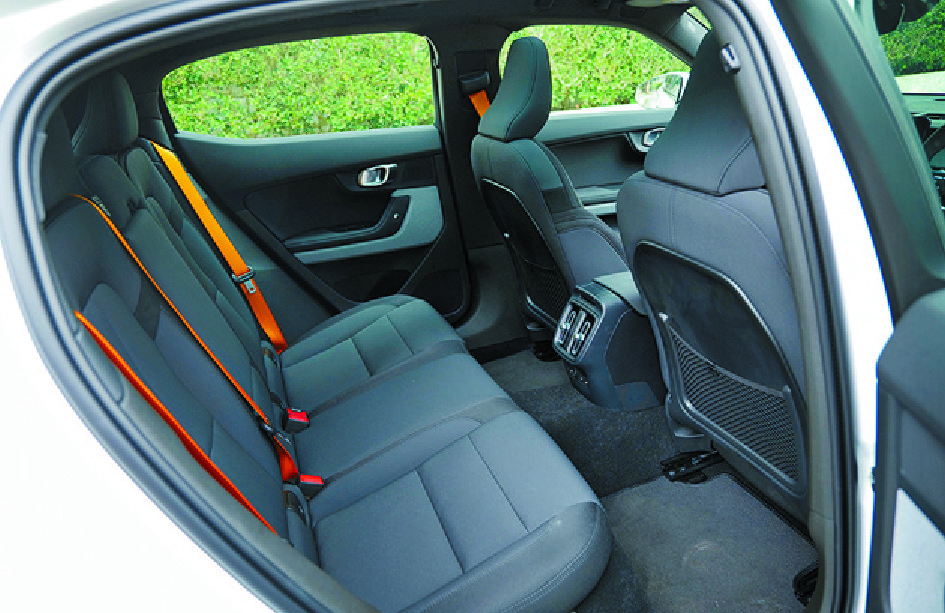
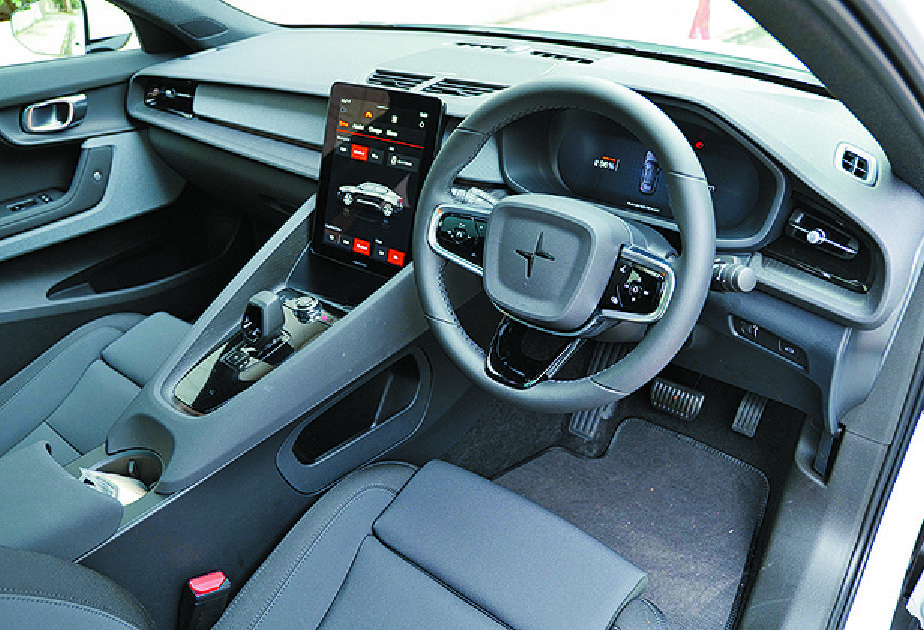
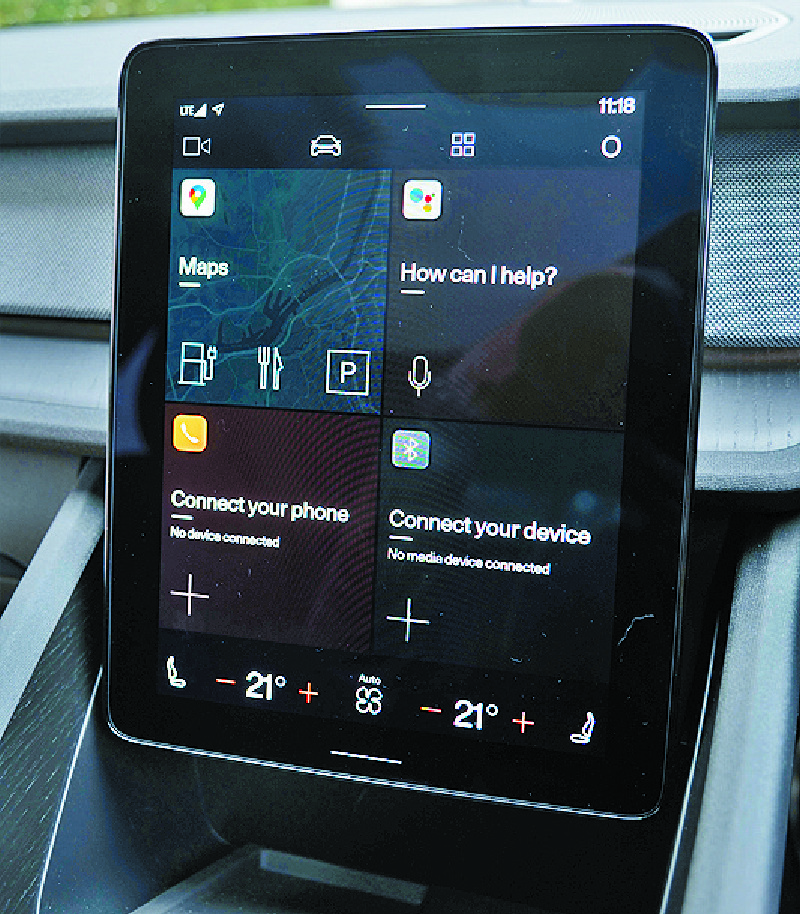
Pang noted the car's use of ecologically-sound materials, Scandinavian minimalist design and modern interiors with a digital instrument panel and a large touch-screen monitor for a wide range of controls.
He also found the exceptional equipment levels much more attractive than other electric vehicles in the price range.