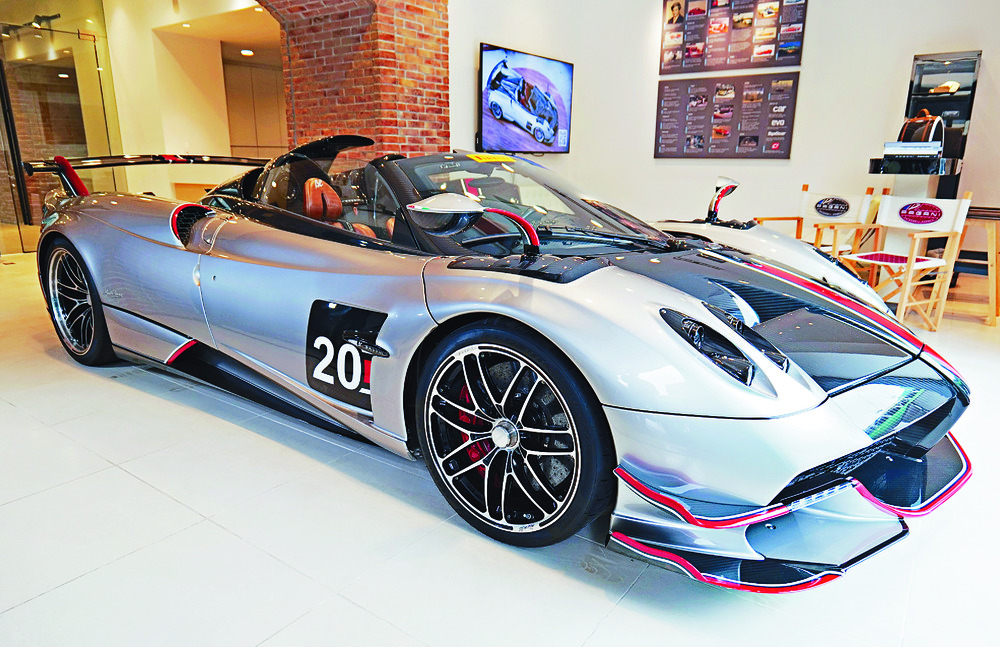
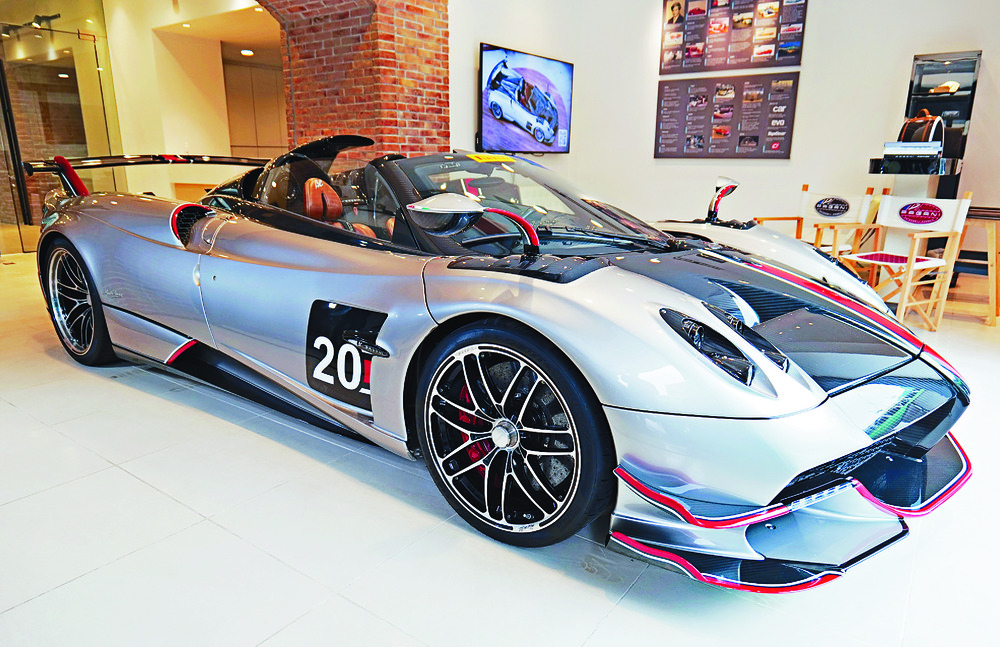
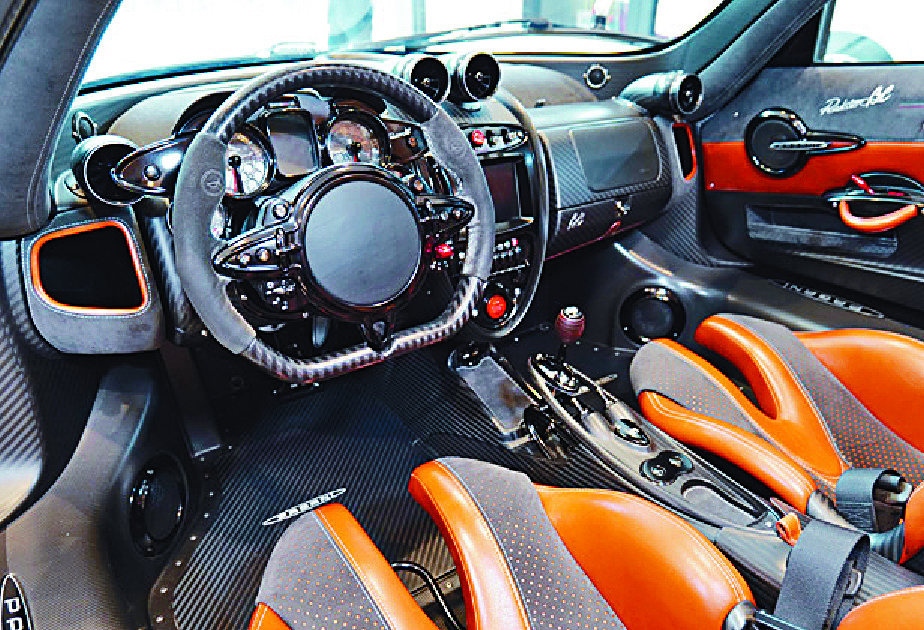
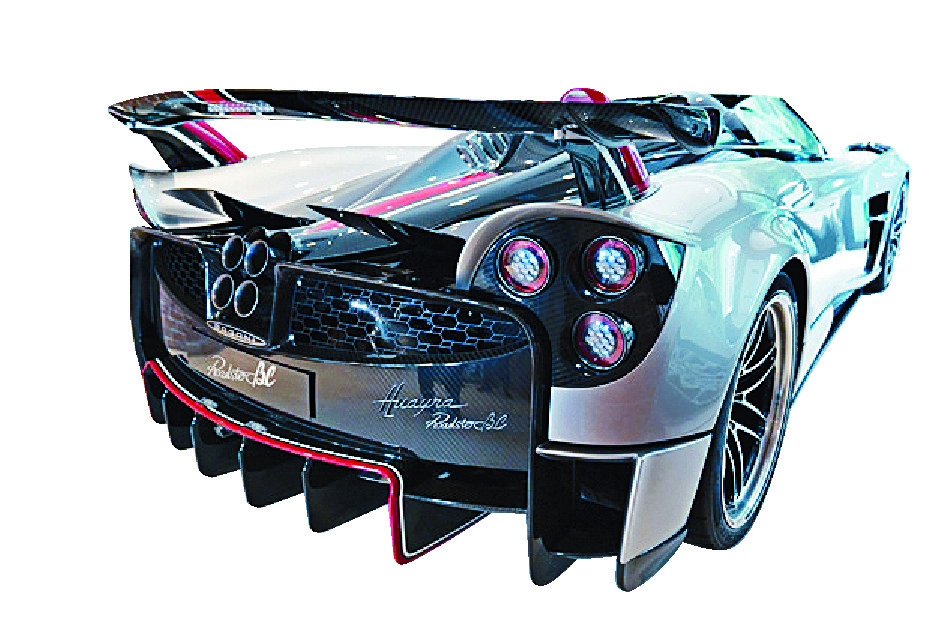
Just how much are the super-rich willing to pay for a car? It is hard to imagine anyone providing a definite answer, but Italian carmaker Pagani perhaps offers a good benchmark. The Pagani Huayra Roadster BC recently made a much anticipated stop in Hong Kong. Its price is an eye-watering 3.085 million euros (HK$28.5 million) before applicable first registration tax.
ADVERTISEMENT
SCROLL TO CONTINUE WITH CONTENT
If a buyer decides it's a good idea to get the car registered for legal road use in Hong Kong, the SAR's treasury will get a handsome tax income upward of HK$30 million.
The on-the-road cost of the car, therefore, will be well over HK$60 million. Even if someone is willing to spend this kind of money on it, it's already too late, as the entire production of 40 units is already accounted for.
Pagani Asia Pacific marketing manager Kenneth Yu coyly said that there were "up to two" Hong Kong customers who have paid a deposit to secure future delivery of the car.
The car's scheduled production will be completed by early 2022, before the facilities make way to the next-generation car - codenamed the C10 for now.
Readers of this column may not be too familiar with the Pagani brand, but the Italian brand is truly the Romanee-Conti of the automotive world. There are always people who are willing to spend a fortune in order to get their hands on the icon.
However, unlike the world's most famous pinot noir, Pagani's roots do not trace back to the Middle Ages. Nor is its history shaped by religious influence or power struggles between ruling elites.
Instead, Pagani is a recent name in the motoring industry. Although it's based close to the Italian city of Modena, the superlative luxury sportscar brand was founded by Argentine engineer and entrepreneur Horacio Pagani, who developed carbon fiber construction for race cars well before the material became the norm today.
Notice the number 20 on the show car? The number signifies the 20th anniversary of the first car of the brand, Zonda, released in 1999.
Hang on, isn't this year 2021, you say? Yes, but the Huayra Roadster BC was unveiled back in 2019.
On another note, the initials BC are a tribute to the late Benny Caiola, a world famous car collector in his time - and Pagani's first customer.
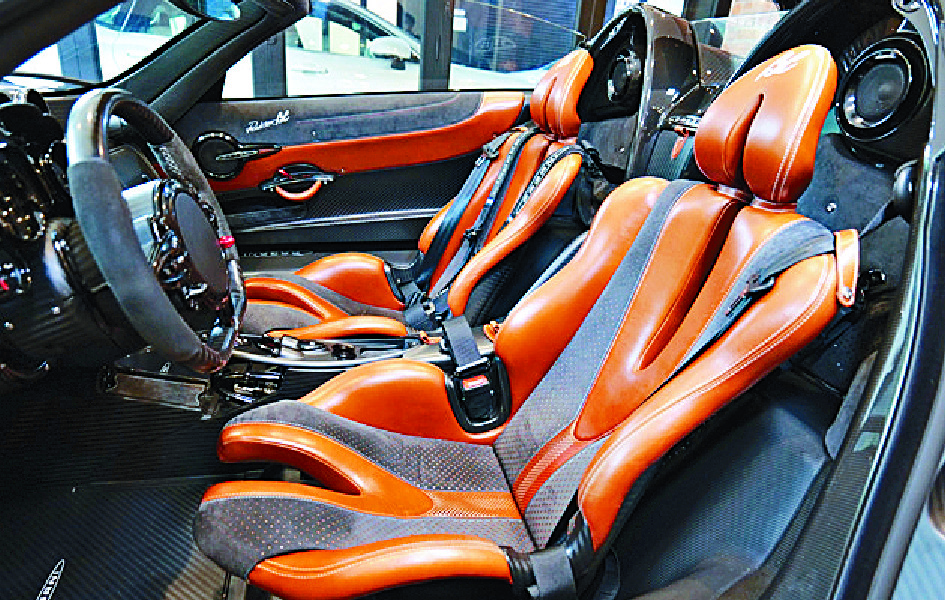
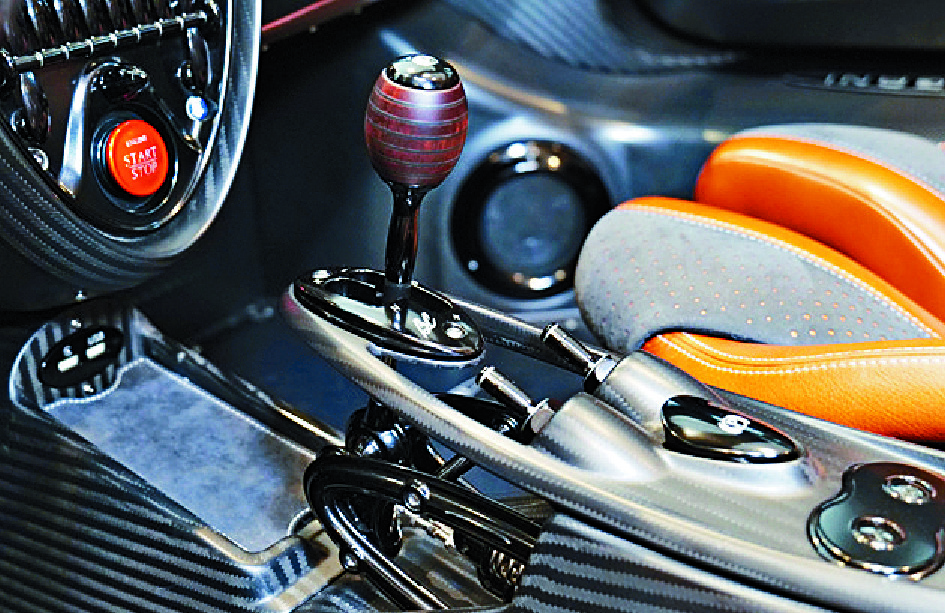
The Huayra is only the second model of the brand. Like the Zonda before it, Huayra employs a carbon-fiber tub monocoque architecture. Yet, this specialist has managed to introduce new versions of carbon fiber, or new materials, over the past two decades.
The monocoque used in the Roadster BC is a new and to date, the strongest, material called carbo-triax HP62 with titanium threads added.
Pagani offers choices of body color for the car, just like any other car. What is different is that a customer can choose to have a bare and colored carbon fiber body, and the titanium threads will do the color trick.
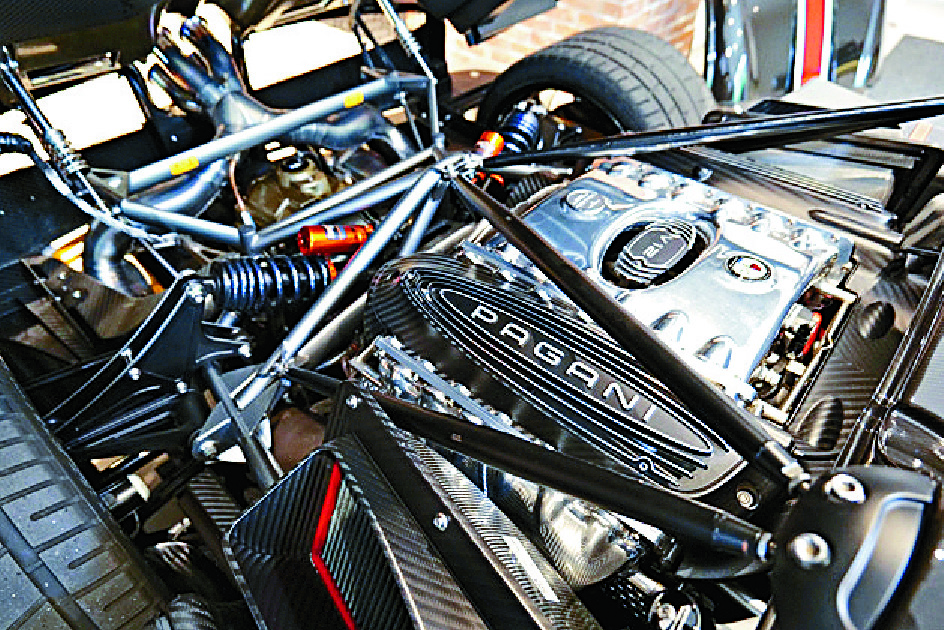
While car enthusiasts can certainly name a few sportscars with an output upward of 1,000 horsepower, the Huayra is not one of them. The car gets its powertrain from Mercedes-AMG.
The six-liter twin-turbo V12 is capable of producing 800PS and 1,050Nm - numbers hardly big enough to get some people's auto mania stimulated.
But like many collectible cars - or in fact most other collectible products - power alone is never the main reason for them to be considered icons.