Read More

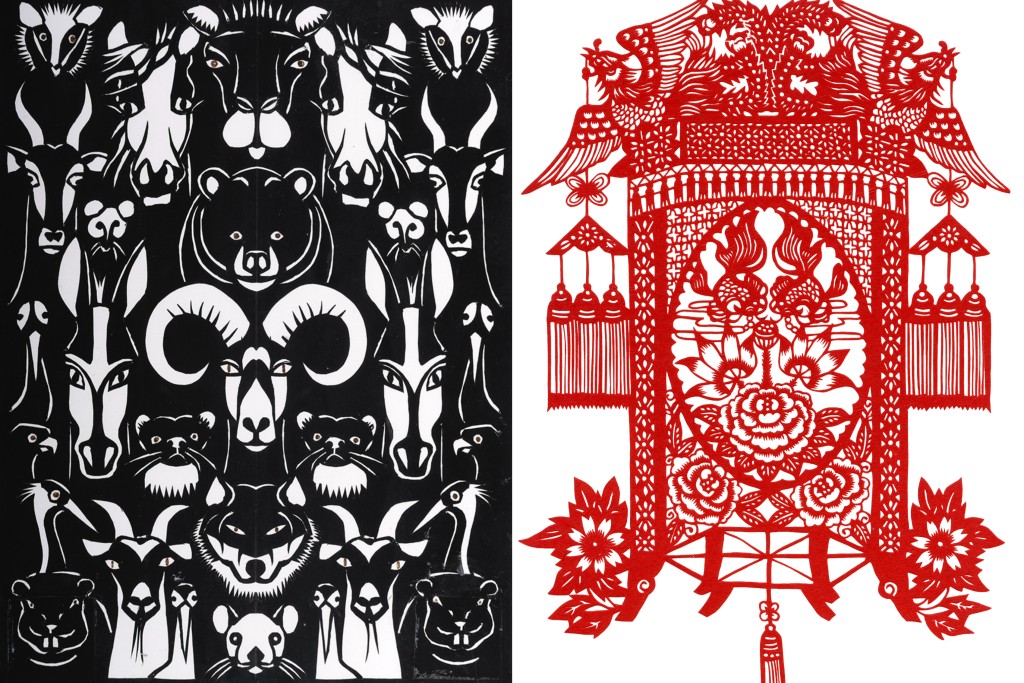
Paper cutting craft of China and Switzerland to meet at HKU museum
09-03-2026 20:04 HKT
A gentle spin into the festive season
05-02-2026 16:30 HKT

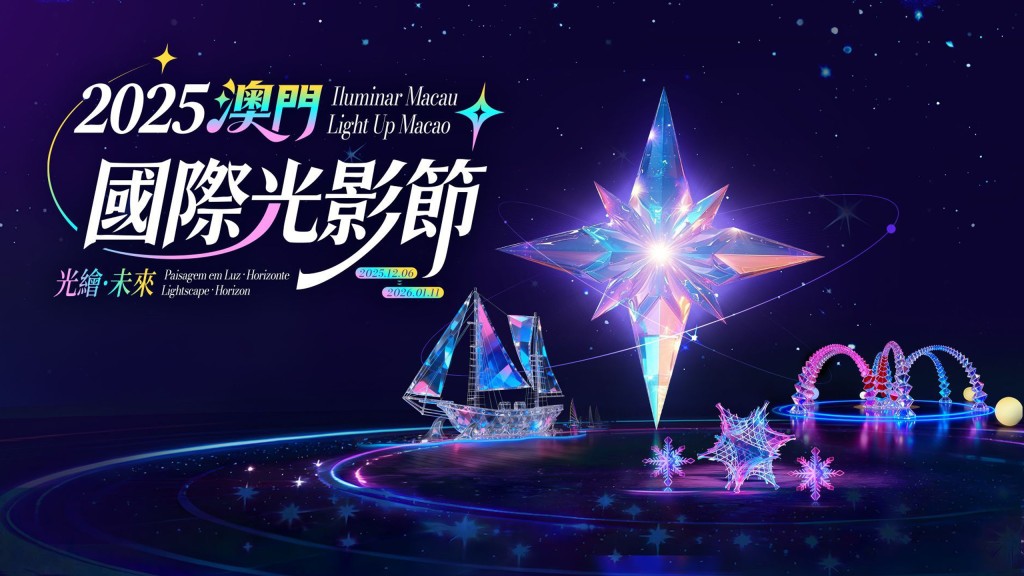
Marvel at light and art installations at Light up Macao 2025
23-12-2025 09:00 HKT
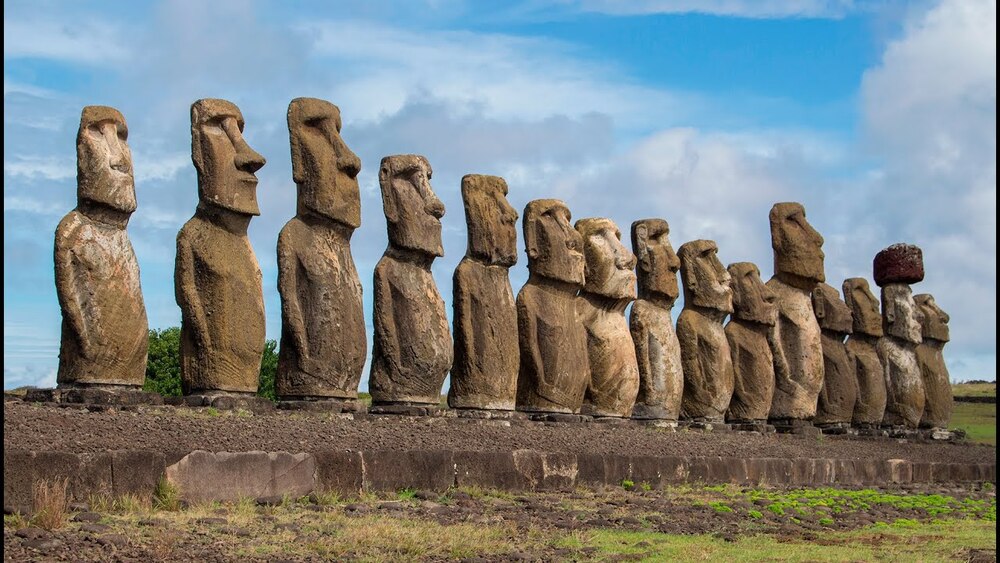
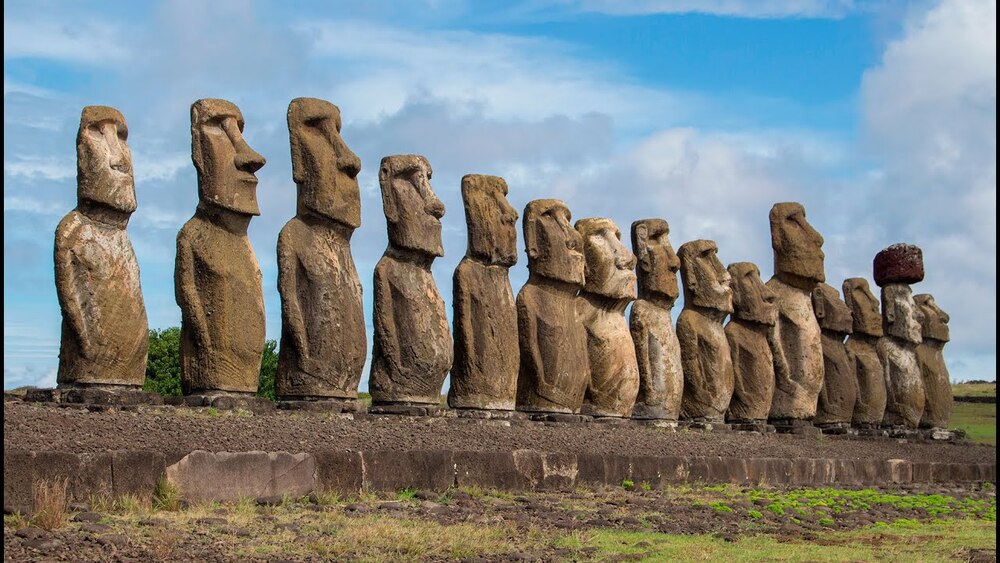
Located in the southeastern Pacific Ocean, Easter Island, or Rapa Nui, is a renowned tourist attraction in Chile, where tourists marvel at the approximately 900 monumental stone statues lined along its coastline.
Called moai locally, these stone statues were created by inhabitants during the 13th to the 16th century, and represent a distinctive symbol of the island, with historians speculating on their origin, as well as on the evolution of ancient inhabitants.
Today, the islanders celebrate Tapati Rapa Nui, their most significant cultural festival of the year. Meaning ‘week of Rapa Nui’ in the local language, it is scheduled for the first half of February annually. It was first organized in the 1970s, aimed to preserve the island’s culture, and generate a sense of belonging amongst the local youngsters.
Consisting of various competitions, including ancestral sports and dancing events, Tapati is the best celebration of the ancient exotic Rapa Nui culture, offering a rare opportunity for foreigners to experience local customs.
Rapa Nui Tapati triathlon
Easter Island’s triathlon, Taua Rapa Nui, is a physically challenging competition that is well worth watching. It comprises three traditional races: the Pora, the Aka Venga and the Vaka Ama, and takes place in the waters of Lake Rano Raraku.
Dressed in traditional costumes and adorned with body paint, contestants have to paddle across the Rano Raraku volcanic crater lake on a small reed boat. Then they run along the lakeshore carrying two bunches of banana on their shoulders, before swimming from one side of the lake to another using a small reed raft as a board.
Handicraft and artistic contests
For culture vultures, there is plenty to do on the island, like the Tingitingi mahute, a contest that measures the participants’ imagination and handiwork. Mahute is a traditional plant introduced by Polynesians to create costumes. Participants need to tap with a wooden stick to flatten, stretch and shape the bark on a rounded stone until it becomes a kind of cloth. The one who makes the largest and best fabric will be the winner.
Widely practiced on the island, body painting was a means by which Rapa Nui people identified their rank and class; and the placements of one’s body painting and the art depicted convey personal information like job and marital status.
During the Takona competition, this cultural practice has become a challenging task for the participants. They are required to create pigments from the elements of nature, and to honor Rapa Nui’s ancient art story-telling through painting. Thus, participants need to make good use of the natural pigment to present a unique story to impress the judges.