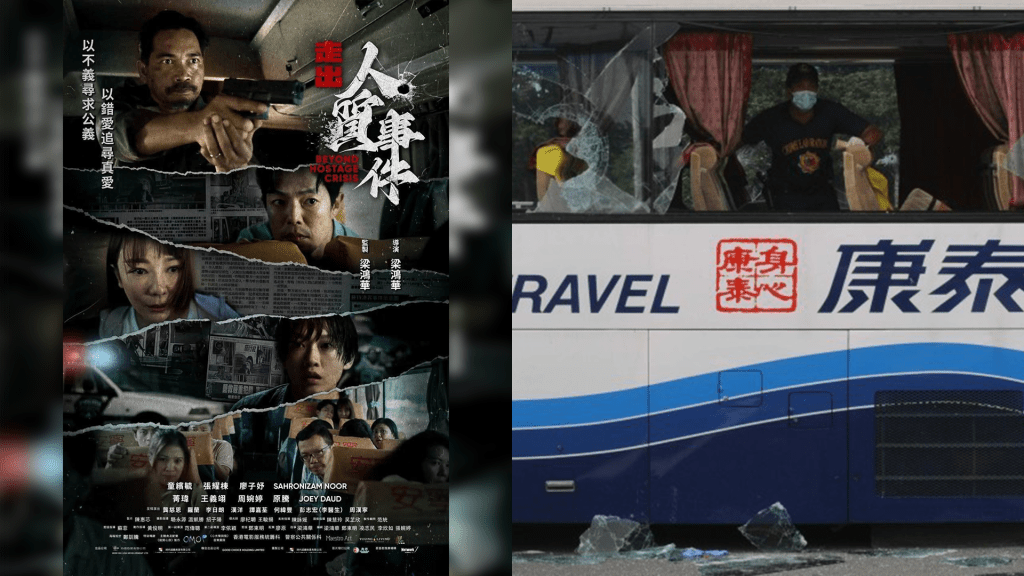
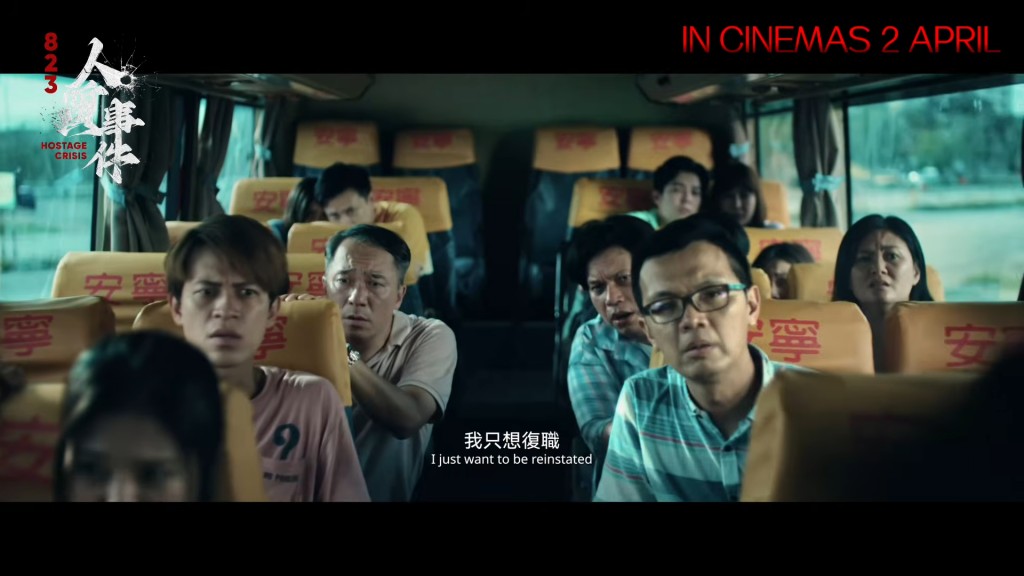
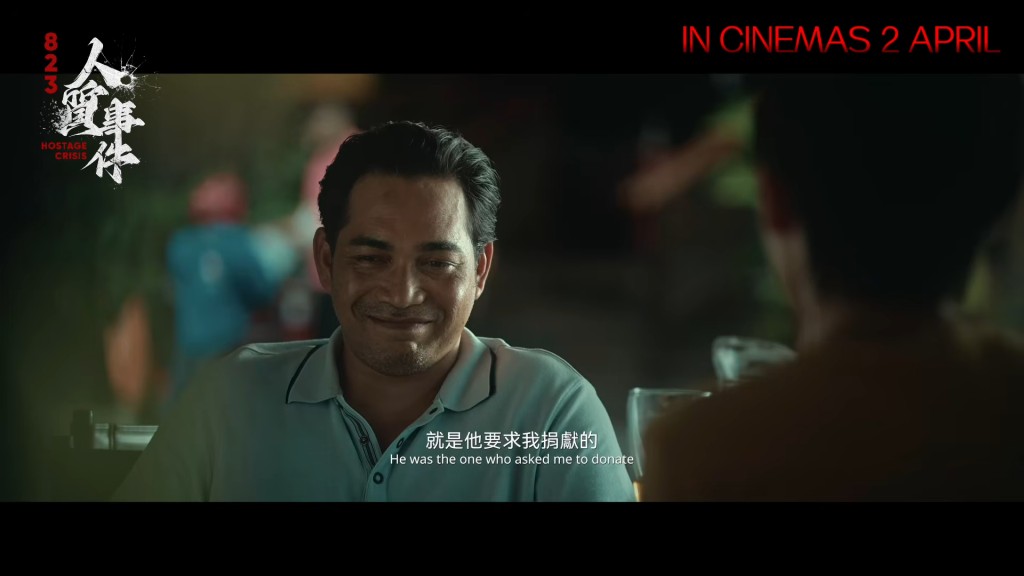
A forthcoming film based on the 2010 Manila hostage crisis has ignited heated debate in Hong Kong, with critics warning that its release could reopen old wounds for survivors and the wider public.
ADVERTISEMENT
SCROLL TO CONTINUE WITH CONTENT
Beyond the Hostage Crisis, set to premiere on May 28, revisits the 2010 tragedy in which eight members of a Hong Kong tour group were killed and seven others injured during a bus hijacking in Manila. The incident, broadcast live for hours, left a lasting psychological mark on many in the city, with memories of it still unshaken for some.
Directed and produced by Tony Leung Hung-wah, the film stars newly crowned Hong Kong Film Awards Best Actress Fish Liew Chi Yu, alongside Chris Tong Bing-yu, Mimi Kung Che-yan, Don Li Yat-long, Zhang Yaodong, and veteran actress Helena Law Lan.
The production has been described as a “faith-based” work exploring forgiveness, grief, and recovery. According to reports, a real-life survivor of the crisis served as a consultant on the project and has expressed support, with Tong’s character reportedly inspired by her experience.
+2
Backlash after trailer release
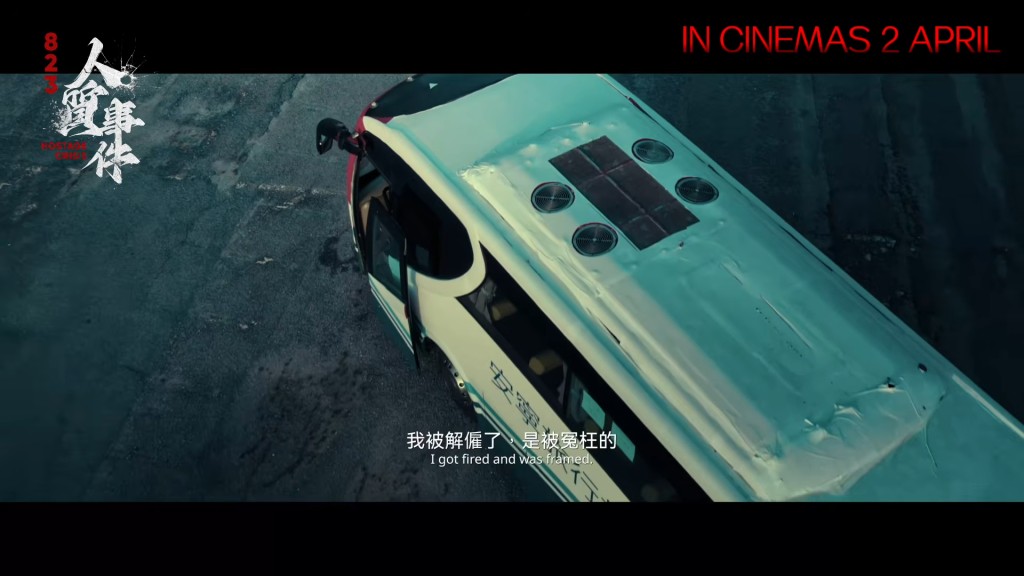
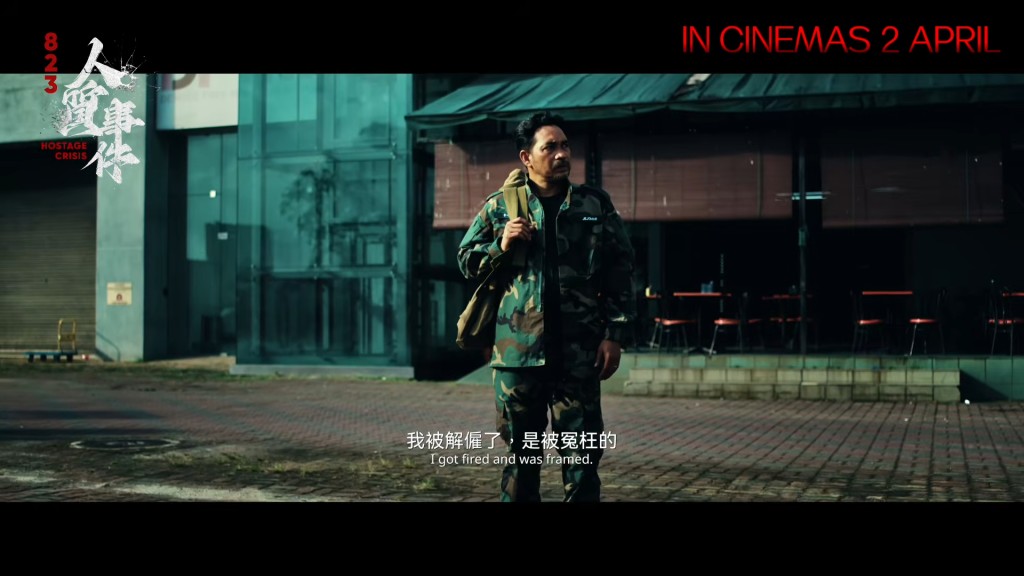
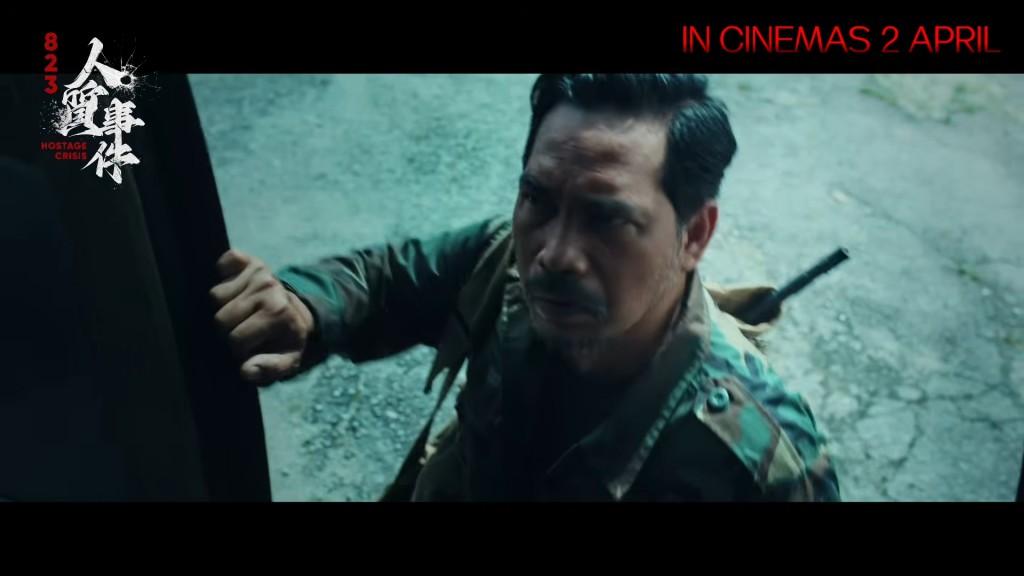
Controversy intensified after the film’s trailer circulated online, drawing strong emotional reactions from viewers.
Some described even a 10-second trailer as enough to stop them from watching after immediately recognizing the incident, citing feelings of distress and discomfort. Others recalled the original live broadcast in 2010, with images and emotions from that day still vivid even years later.
On social media, critics accused the production of causing “secondary trauma,” arguing that dramatizing such a recent and painful event risks retraumatizing survivors, victims’ families, and the wider public. Some posts have even called for a boycott and questioned whether the film should be screened in Hong Kong at all.
Art, memory, and responsibility
The controversy has reignited a broader debate over how real-life tragedies should be represented, particularly those that remain within living memory.
Such storytelling is often framed as a means of reflection and healing, particularly when survivors are involved in the process. Yet questions remain over whether bringing these events back into commercial cinema risks causing further harm, particularly for those who witnessed the moment unfold in real time or encountered it through news coverage, and may not be prepared to revisit those memories.
As the release date approaches, it is still uncertain whether the film will resonate with audiences in Hong Kong or face continued resistance. What is clear, however, is that the legacy of the 2010 tragedy sits uneasily within the city’s public consciousness, reminding many that some stories, even years later, are not easily retold.