When it comes to personal interactions, do you find yourself more at ease engaging in face-to-face conversations or using digital communication software? The choice varies among individuals. Some prefer messaging platforms because they offer more time to carefully ponder their responses, utilizing texts and emojis to craft their messages. On the other hand, communicating in person can be more challenging due to the inherent pressure of anticipating how the recipient will react to the message. While positive messages generally pose no significant hurdle, the question arises: Is there a better way to convey constructive feedback?
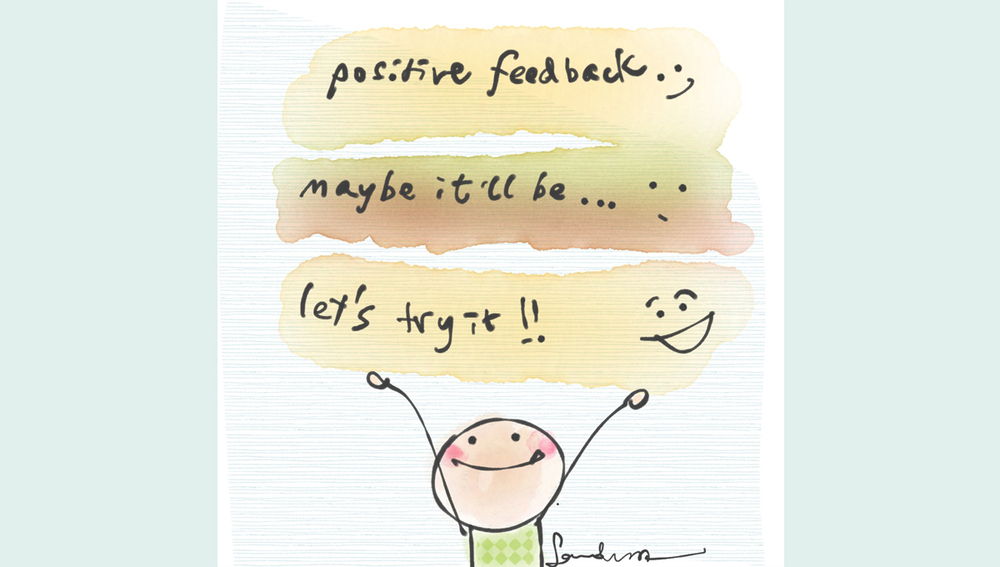
To make constructive feedback more palatable, many people employ the “sandwich approach.” This method involves sandwiching the bad news between two pieces of good news. By doing so, the overall message becomes more acceptable to the listener. Imagine a scenario where you need to counsel a child who struggles to understand others and often ends up uttering hurtful remarks. Instead of diving straight into the problem, begin with words of appreciation, such as acknowledging the child’s hard work. This acts as the first layer of bread. Then, deliver the key information as the filling. Finally, wrap it up with recommendations and words of encouragement, forming the top layer of bread. For instance, you could suggest, “Sometimes, speaking slowly and allowing others to witness your effort can effectively convey your message.” This approach provides the child with ample time to process the message and receive guidance through your advice.
One might argue that the sandwich approach is hypocritical, as it presents bad news in a more acceptable manner. However, let’s reflect on this: Are individuals truly one-dimensional? The answer is a resounding “no.” This method serves as a reminder not only to focus on others’ negatives but also to appreciate the good within them. It is crucial for young individuals to grasp this concept early on, enabling them to maintain a healthy mindset when communicating and forming bonds with others.
As we acknowledge the numerous challenges children face as they grow up, it becomes essential for us, as adults around our students/children, to create a positive learning environment for them. The Advanced Certificate in Life Coaching course equips you with the knowledge to apply life coaching skills in a variety of roles so that you can support the people around you to achieve their life goals. Moreover, this course is Continuing Education Fund (CEF) reimbursable. Don’t miss out on this incredible opportunity! Take the first step today and embark on your learning journey at HKU SPACE! https://hkuspace.hku.hk/prog/adv-cert-in-life-coaching