As the world changes, so do the things we learn. Educators therefore are constantly seeking and working to improve curricula as well as learning and teaching methods to create a better future for education.
Only by bringing together a community of innovative minds from a local and global context can education progress.
The Yidan Prize Foundation is a Hong Kongbased philanthropic foundation with a mission to create a better world through education.
There are two areas of study that the prize awards: education research, which is the theory of learning that helps educators understand different approaches with a methodical lens, and education development, which champions policies and practices in learning.
The prize is the world’s highest accolade and an acknowledgement of those who have made significant contributions to theory and practice in education, further promoting the importance of educational development and improving local education through global communication.
Charles Chen Yidan, founder of the Yidan Prize Foundation, said that “education is the ultimate driving force for social progress.”
This year, the prize was awarded to Eric Hanushek and Rukmini Banerji in education research and education development.
The two 2021 Yidan Prize laureates will receive project funding of HK$15 million over three years to support their work, as well as a gold medal and a cash prize of HK$15 million.
As an economist, Hanushek aims to improve the quality of education in order to further the economic development of nations.
“I felt that high-quality education was being undervalued in many parts of the world,” he said. “Much of the world’s children are going to school
but are not receiving the quality of education that will make them internationally competitive.”
Using data about educational performance, along with local knowledge, Hanushek aims to improve local decision-making about schools.
“My prize funding is being applied to develop a program of educational fellows in African countries. These fellows would work in their own governments or think tanks and would become a part of a network of people across Africa.”
Banerji works with her team to improve the development of children and help them overcome personal limitations.
“I have always enjoyed working with children, hence focusing on education was a natural extension of that interest,” she said. “I was trained as an
academic but always had an interest in how our research could translate into practice. I am very lucky that in my work, I have been able to do both.”
She plans to use her prize money to support her and her team’s growing work in the education space of early childhood. “We believe that if strong foundations for learning are built early in a child’s life, she or he will not fall behind,” she said.
The foundation recently held the 2021 Yidan Prize Summit, Creating a Better Future Through Education, in Hong Kong, featuring not only the laureates but prominent figures in education as well.
Different panel discussions were hosted to spotlight effective education policies and partnerships for innovation.
Hanushek shared his ambition to develop a select group of experts who will improve education through exchanging knowledge and putting them in practice in their own countries.
Banerji also addressed the learning gap many students struggle with across the globe, and aims to tackle that through the development of a teaching strategy which ensures curricula are at a suitable level for every child.
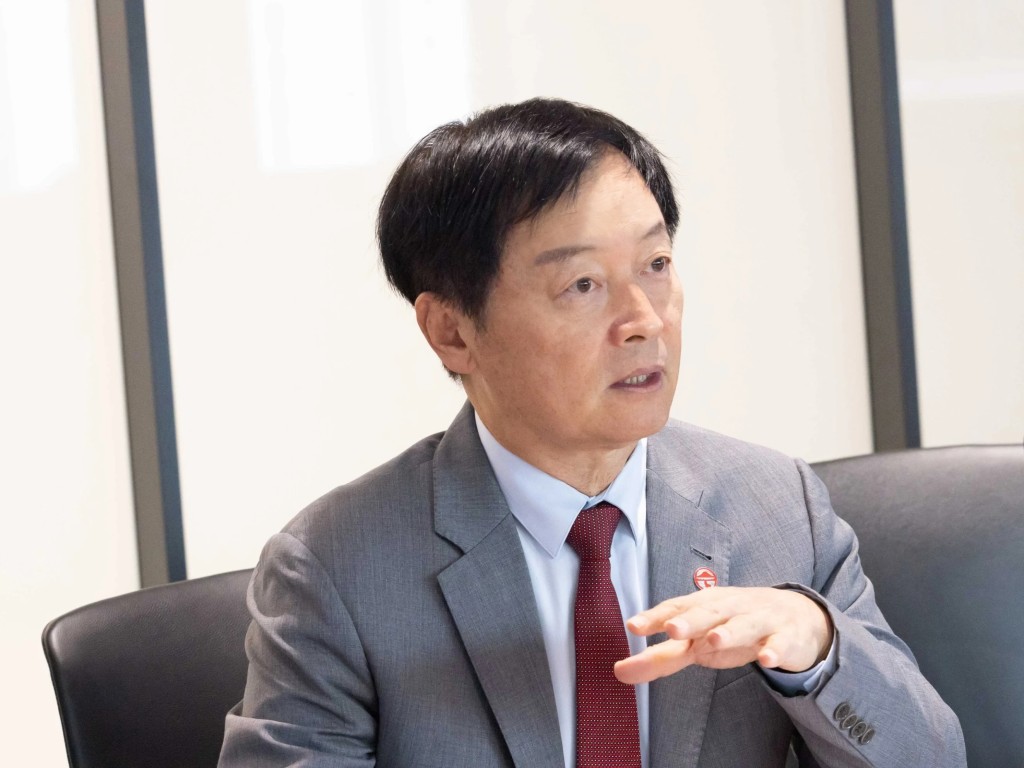
Educational collaboration on a global level was further emphasized by Rocky Tuan, the vice chancellor and president of the Chinese University of Hong Kong and the cochair of the United Nations Sustainable Development Solutions Network council, Hong Kong Chapter.
With reference to the Grand Challenges initiative for Hong Kong schools, he said cooperation and communication among teachers, students, community leaders and institutions were required in order to better understand and improve global education.
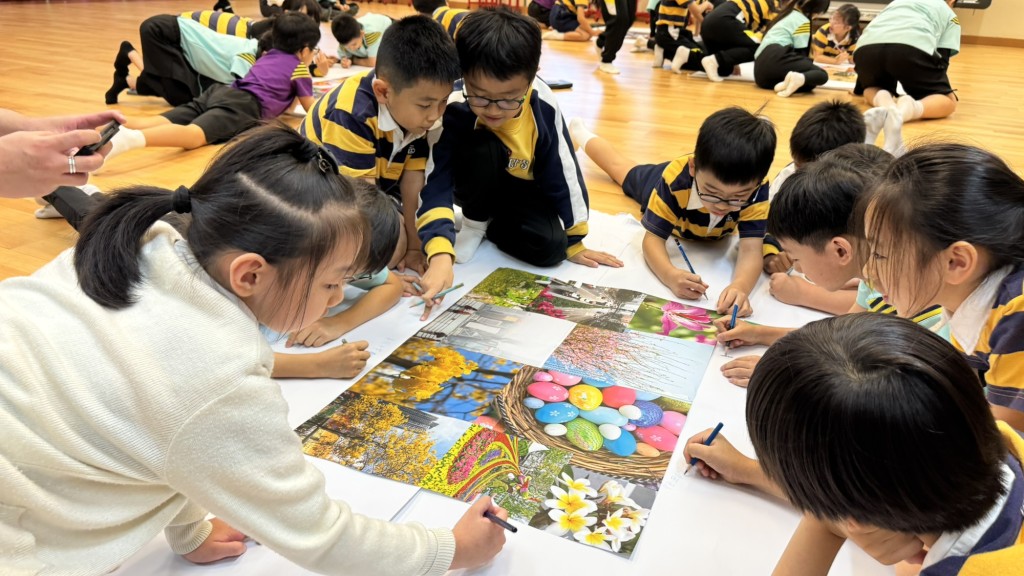
Yang Rui, associate dean of the faculty of education at the University of Hong Kong, addressed the benefits of collaboration in a local context. He raised the subject of learning through play in Hong Kong, which is an interactive learning method gaining traction around the world due to its ability to nurture cognitive, language, physical and emotional developments of young people.
Yang explained that, due to Hong Kong being very competitive and exam-orientated, learning through play may not be the most popular.
So greater collaboration is needed between frontier teachers, education researchers, governments and the wider community, in order to promote the benefits of learning through play.
Nominations for next year’s innovative individuals or teams are now open on yidanprize.org. Nominators must have a thorough understanding of the work of their nominees and be a “credible witness” to the impact of their contributions.