Hong Kong and Shanghai must stop being perceived as rivals and instead they complement each other and act as “twin pillars” of China’s economic future.
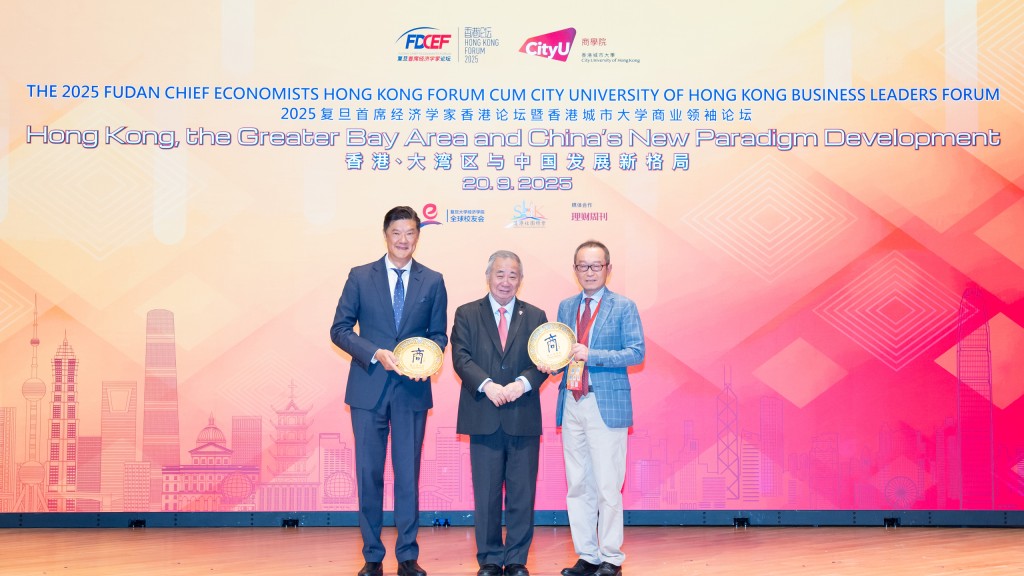
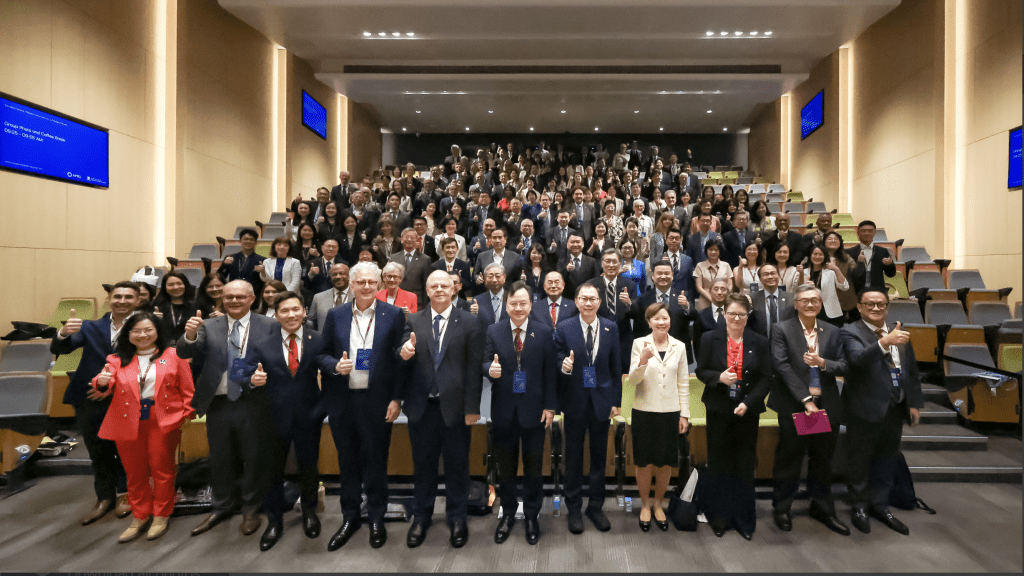
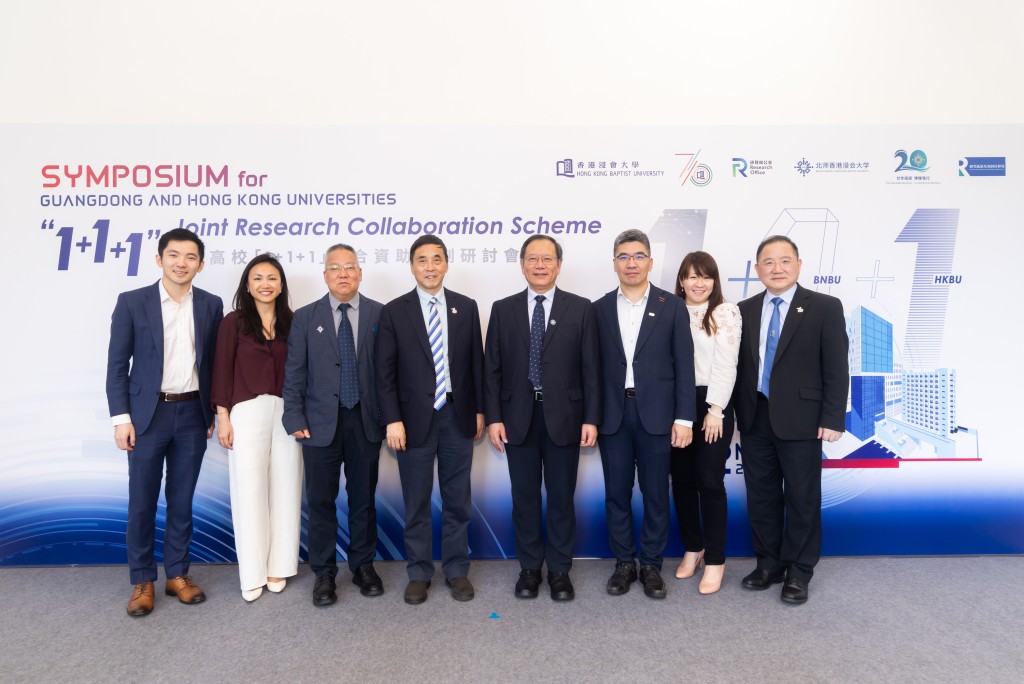
That was the consensus arrived at by the heavyweight speakers at the 2025 Fudan Chief Economists Hong Kong Forum held last Saturday (September 20) organised by the College of Business, City University of Hong Kong.
They believe that collaboration, not competition, would determine whether both cities thrive in an era defined by AI and industrial transformation.
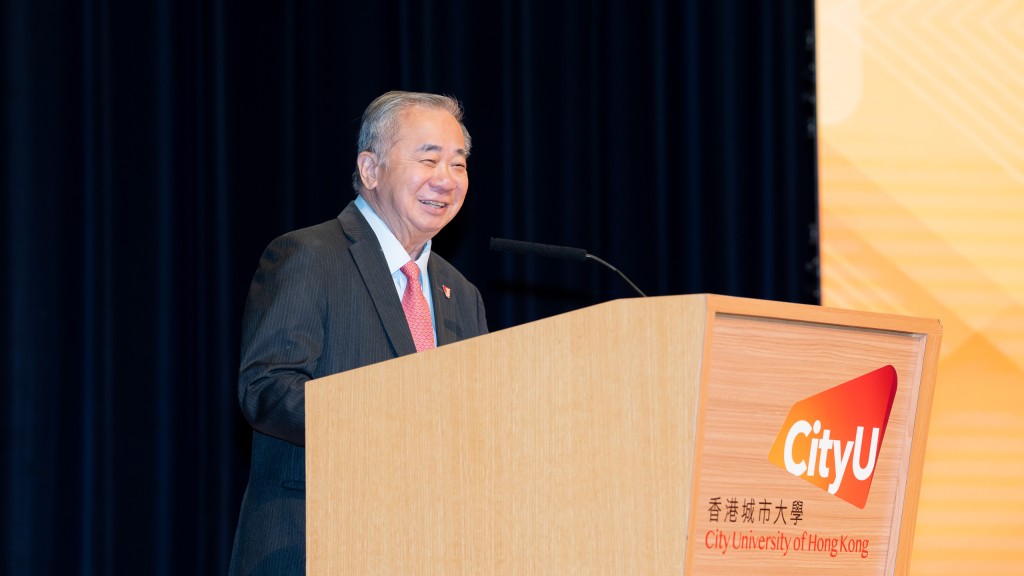
Opening the forum at the City University of Hong Kong (CityUHK), Prof Freddy Boey, the university’s president and distinguished professor, portrayed the region as a global hub of innovation. “Probably half the world’s AI talent resides in this part of the world,” he said.
He added that CityUHK’s new AI and digital medicine institutes are built on tripartite partnerships between academia, industry and government so that research can be “immediately and rapidly commercialised”.
Prof Jun Zhang, Dean of Fudan’s School of Economics, delivered both the opening address and a keynote.
Zhang said that as Beijing adjusts policy agenda to respond to geopolitical shifts, the economy had entered “a very different development period” where the dual circulation strategy and technological self-reliance would be paramount.
Later Zhang argued that China’s growth must now lean on its domestic market and technological self-reliance, with Hong Kong as the “super connector” to global capital and Shanghai as the Yangtze Delta hub for innovation and onshore capital market.
He urged the two cities to act as complementary “twin pillars” of China’s dual circulation strategy rather than rivals.
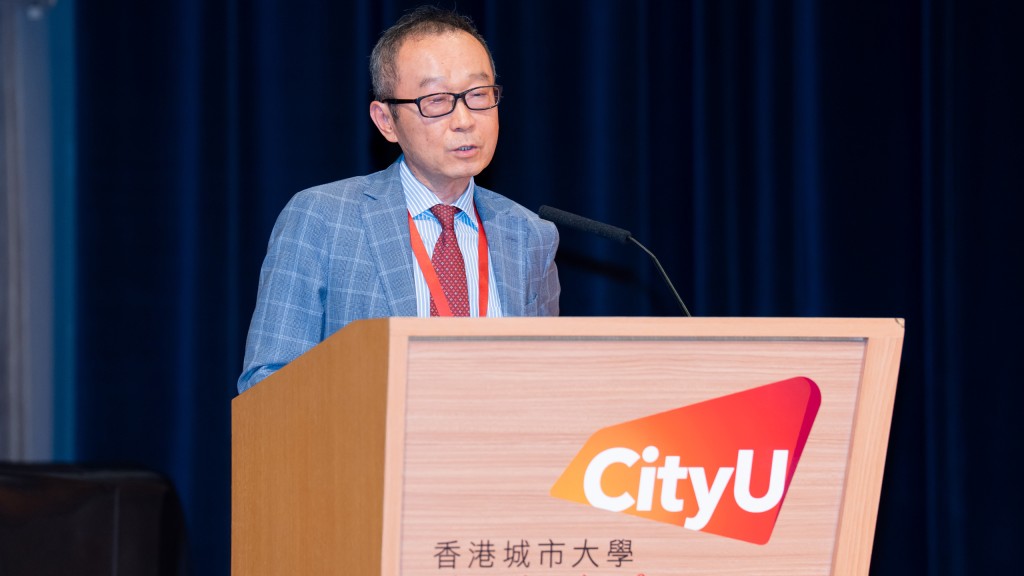
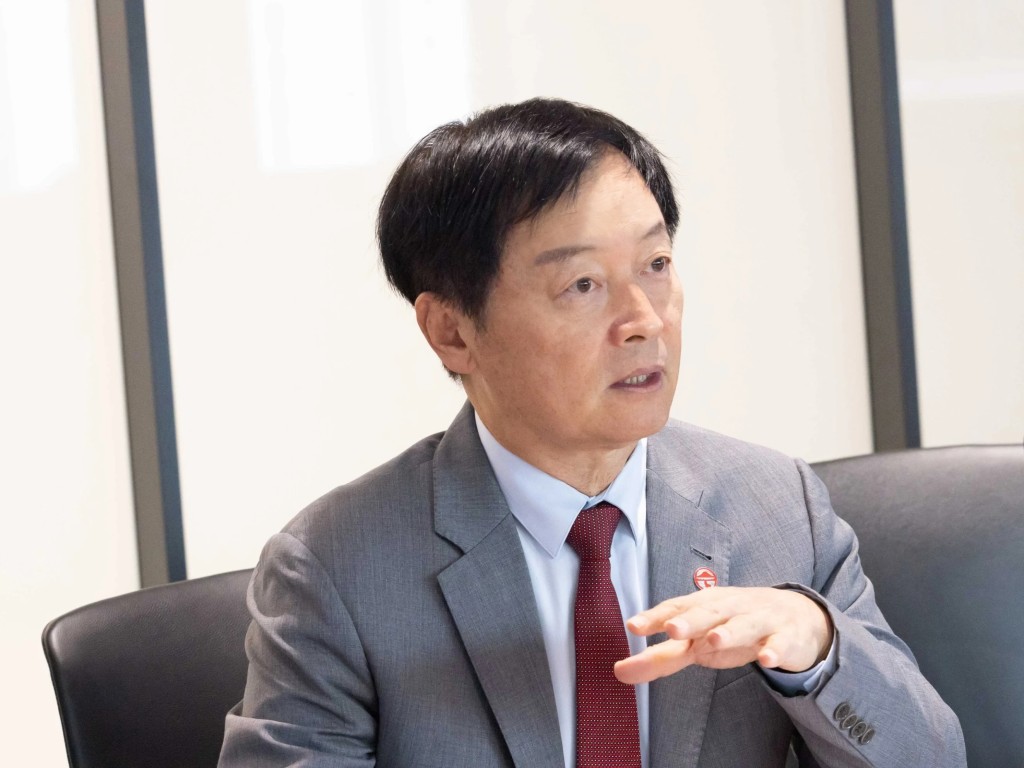
Andrew Yao, Chairman of the Federation of Hong Kong-Shanghai Associations, discussed the growing interdependence of the two cities and praised Hong Kong’s world-class universities and rising international enrolments.
He also called for policies to help skilled migrants settle with families, citing housing and schooling as essential conditions for retaining talent.
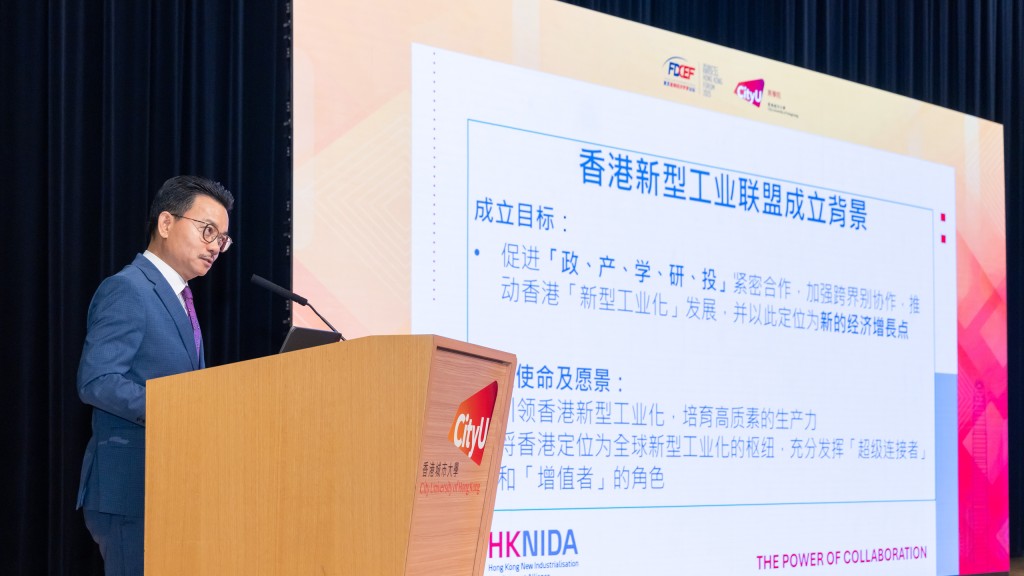
From the perspective of the business sector, Dr Steve Chuang, Chairman of the Hong Kong New Industrialisation Development Alliance, argued that Hong Kong must seize new industrial opportunities. “The most important thing is just one phrase: the power of collaboration,” he said.
He promoted the Hong Kong New Industrial Development Alliance and Northern Metropolis projects as engines for “Brand Hong Kong”, while urging investment in advanced manufacturing and even the “new space economy”.
On technology’s frontiers, Prof Yuan Qi, Dean of Fudan’s AI3 Institute and former Ant Group chief data scientist, sounded both optimism and warning.
“This is the best of times and is also the worst of times,” he said, “95 per cent of companies get almost zero return, but 5 per cent create huge value.”
The proliferation of AI is inevitably reshaping the job market, with entry-level roles most at risk, and he argued that only “trustworthy, reliable and sustainable” systems would secure long-term gains.
To illustrate the opportunities, he cited breakthroughs from RNA drug design and cardiology diagnostics to satellite-based weather forecasting and financial risk modelling.
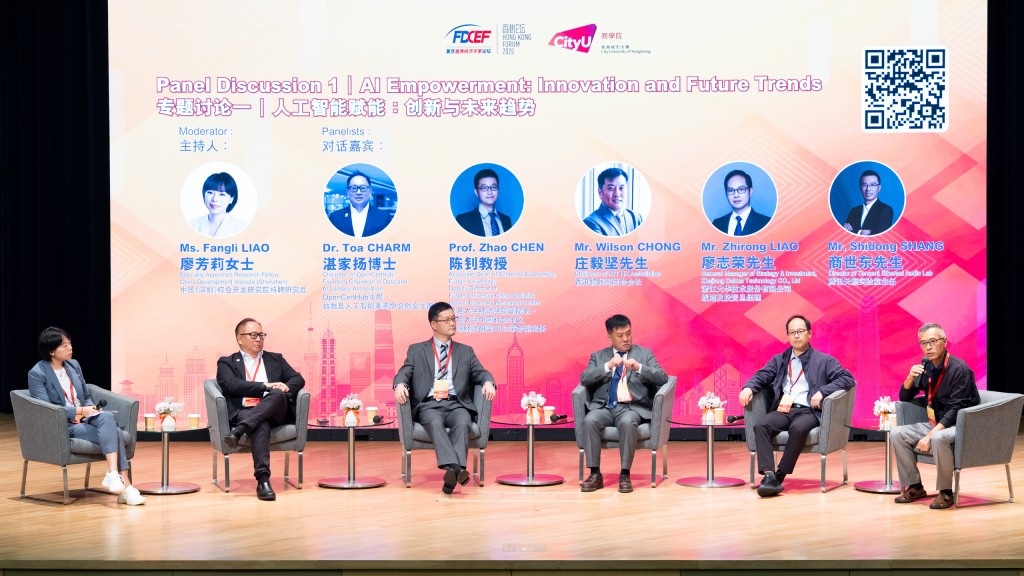
Two panel discussions were also staged after the keynote addresses. The first was moderated by Fangli Liao of the China Development Institute and explored “AI Empowerment: Innovation and Future Trends”, with insights from OpenCertHub’s Dr Toa Charm, Fudan’s Prof Zhao Chen and others.
The second panel, chaired by Tencent advisor Mingchun Sun, was on the topic of “Navigating Financial Markets: Trends and Transformations”, featuring economists from ICBC International, Standard Chartered and Macquarie.