The Standard Education Talks is a series of Facebook Live sessions gathering the insights of education experts to connect parents and children with leading schools in Hong Kong.
Early childhood education is much more than preparation for primary school. The early years are critical in that it lays the groundwork for future development and wellbeing. Since each child is a unique individual, it is essential to adapt to a learner’s strengths and weaknesses, whereby they reach the full potential in cognitive, social, emotional and physical development. That’s when a child-centred education approach comes into play.
Clayton Mullins, Western Co-Principal, Early Childhood Education at Yew Chung International School (YCIS), says in the Facebook Live session that children are naturally motivated to play. “Rather than filling young children’s schedules with formal, planned lessons, supporting their inborn drive to play with a child-led programme gives children the most valuable skills in living and learning.”
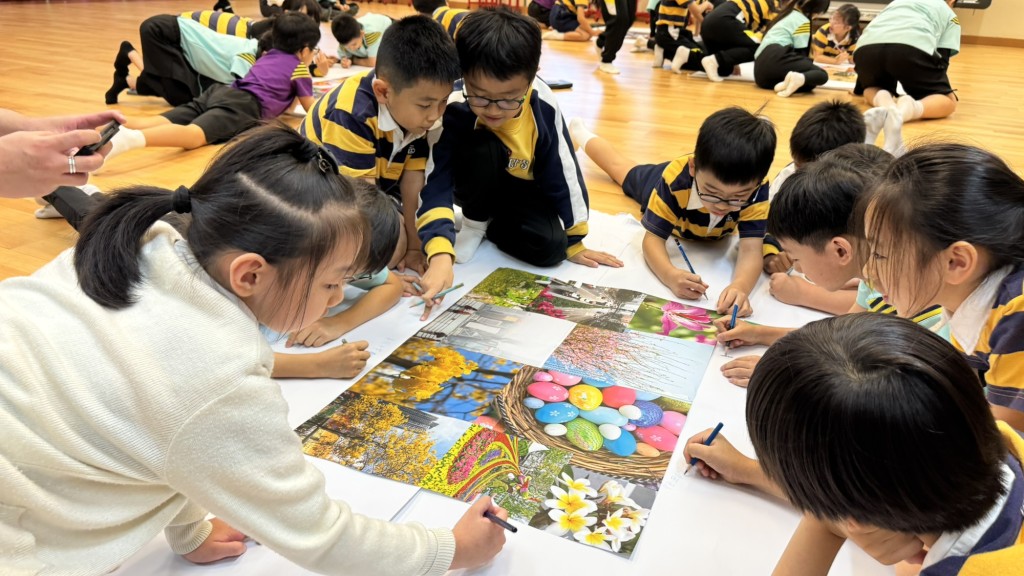
Compared to a teacher-led curriculum, a child-centred approach views students as active participants who are capable and competent learners. At YCIS, a leading through train international school in Hong Kong, students are provided with plentiful opportunities to explore, investigate, and seek answers to relevant questions. Aside from intellectual stimulation, it also trains up their social and interpersonal skills as students interact with their teachers and peers.
The essence of a child-centred approach, Mullins says, coincides with that of an emergent curriculum, under which a child’s interests, needs and impetus is leading the teaching activities that are going on. These may include role play, art creation and building with toys.
“We as teachers observe the child, and notice what he or she is doing in the environment. The teachers will then reflect on what they have seen as a teaching team, and engage in a reflective discussion on how they can extend the learning within the classrooms,” notes Amy Leigh-Hood, Assistant Co-Principal, Early Childhood Education at YCIS.
As the teachers get to know each student well – their strengths, weaknesses, interests, etc – they are able to construe learning experiences best fit for each child. To assess each student’s learning progress, a portfolio is provided to showcase their individual development path.
In the realm of language learning, YCIS adopts the Co-Teaching system in every classroom to deliver its structured bilingual programme. With one teacher connecting with children through English and another through Cantonese – as well as a Mandarin teacher who regularly joins the classes – children constantly utilize different languages to communicate and interact.
Hood points to an immersive language environment as the key to bilingual learning. “The setting brings the natural flow of two languages to children’s ears, and they learn so much more effectively when the activities are meaningful to them.”
Committed to raising the next generation of leaders, YCIS Early Childhood Education section has expanded to Tseung Kwan O from Kowloon Tong with a new campus, on top of its four current campuses. Situated in a serene corner at Savannah Place in Tseung Kwan O, the dynamic school, amassing around 20,000 sq. ft., enables children to unleash their individual potential.
Some key features include Shadow Cave (Napping space), Reading Garden, Open Physical Activity Field, Role-play Area, Music Room, Library Area, and Creative Studio.
Anna Bevan, Tseung Kwan O Campus Co-ordinator, Early Childhood Education at YCIS, says the spacious campus is designed to cultivate confidence and security, giving children abundant opportunities to move and explore. “We strive to create a large, warm and supportive community within which our children can learn, grow and develop.”
Contact YCIS
Tel: +852 2338 7106
Email: admissions@ycef.com
Website: www.ycis-hk.com
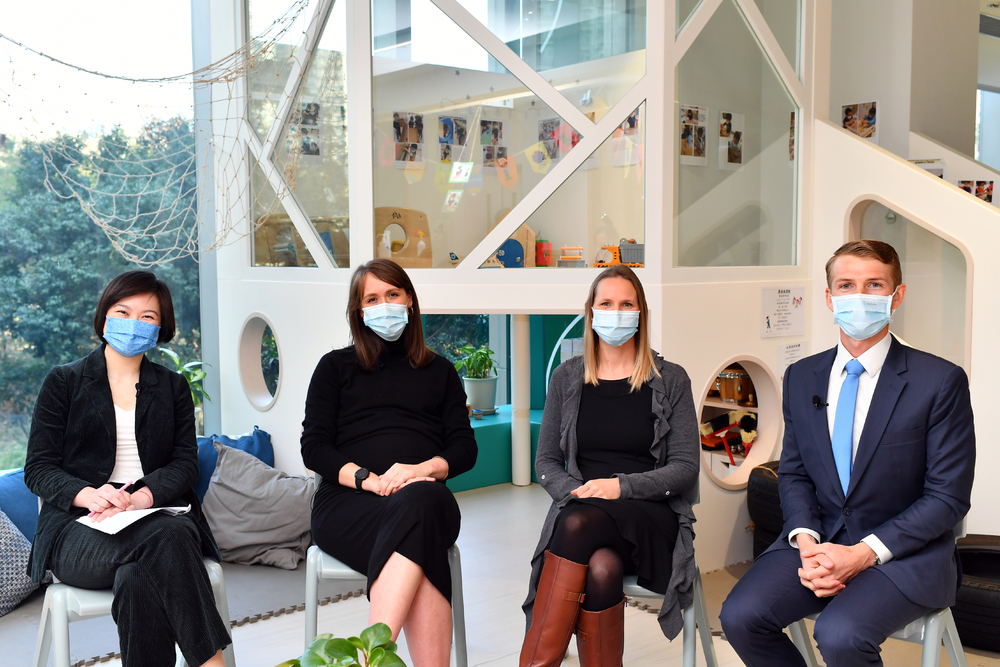
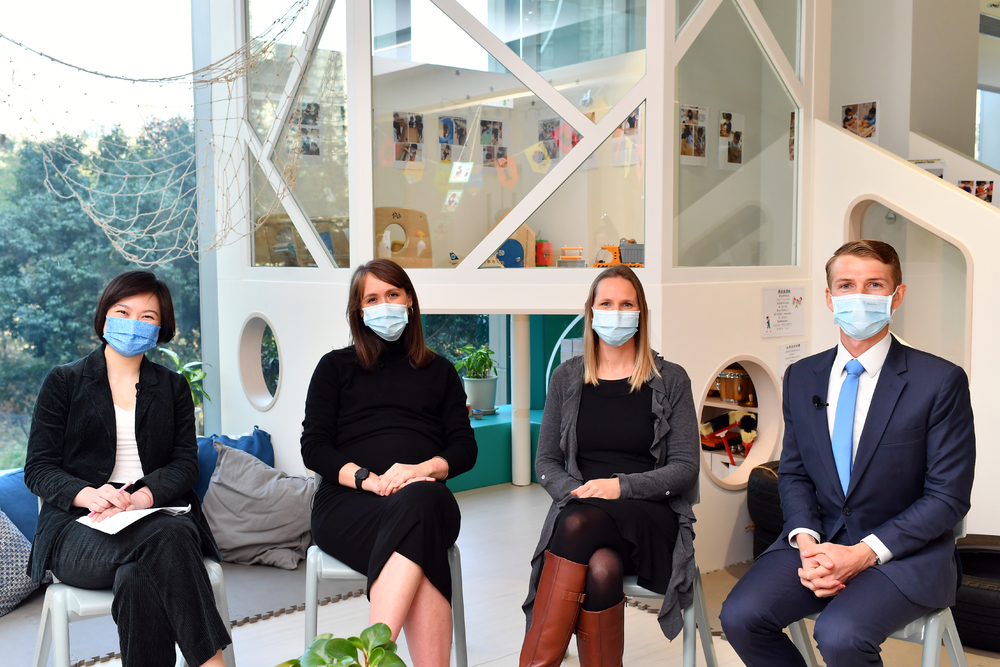
(from left) Gigi Wong, Anna Bevan, Amy Leigh-Hood and Clayton Mullins