





Read More




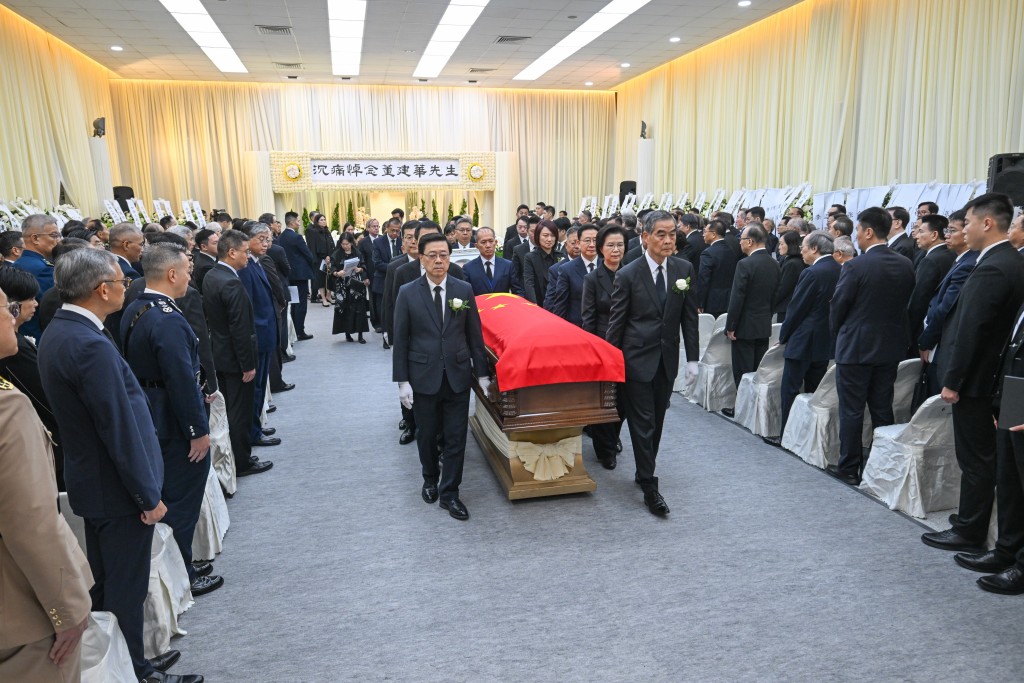
John Lee and CY Leung lead pallbearers for Tung Chee-hwa
20-09-2026 15:54 HKT

HKO forecasts showers Tuesday, tracks possible cyclone east of Philippines
21-09-2026 17:31 HKT


As Hong Kong continues to refine its economic strategy, a compelling opportunity soars into view: the establishment of a world-class aircraft engineering training center. This is far more than a niche educational project; it is a catalytic move to develop a robust aeronautical economy, with positive spillover effects across multiple sectors.
At a time when the city is navigating strategic diversification, investing in high-value aviation engineering is a timely and visionary endeavor.
The global aviation industry is rebounding vigorously, yet it faces a severe shortage of skilled engineers and technicians. This demand is acutely felt in Hong Kong, a historic aviation hub within a five-hour flight of half the world’s population. Local maintenance, repair, and overhaul giant HAECO has in the past cited manpower shortages in profit warnings, underscoring a critical bottleneck. A dedicated training center would directly pipeline professional engineers and skilled labor into these high-value jobs, securing the city’s competitive edge in aviation services and stabilizing a key industry.
While Hong Kong lacks the space for large-scale aircraft manufacturing, it can excel in the sophisticated field of aircraft recycling and teardowns – this is a strategically astute niche. Dismantled aircraft yield vast quantities of valuable materials – high-grade aluminium alloys, titanium, composites, and avionics – whose value has surged with rising commodity prices. By mastering this sector, Hong Kong can leverage its expertise in commodity trading and logistics, transforming end-of-life aircraft into a sustainable resource stream. This allows the city to participate meaningfully in the national aerospace development plan, complementing mainland manufacturing aircraft without direct competition.
Decades ago, studying aircraft engineering in Hong Kong was nearly unimaginable; aspiring engineers had to go overseas for training in what was often considered a guarded field. Establishing a premier center shatters this old ceiling. It will retain local talent, attract students regionally, and elevate Hong Kong’s status as a knowledge hub. The reported collaboration with France’s Elior Group – notably based in Toulouse, home to Airbus – is a shrewd move, providing direct access to European aviation excellence, best practices, and global networks.
Developing an aircraft engineering training center is a multifaceted win for Hong Kong. It addresses urgent industry needs, creates quality jobs, taps into the circular economy through aircraft recycling, and synergizes with the city’s trading strengths. By choosing this strategic path, Hong Kong does not just service aircraft; it invests in a high-value economic future, ensuring its continued relevance in the global aerospace ecosystem. The runway is clear: it is time for Hong Kong to take off.