Hong Kong consistently ranks as Asia’s most international city, as evidenced by its top position in the “Asia Cities Internationalization Index” by the Hong Kong General Chamber of Commerce.
However, its relatively weaker performance in “innovation and creativity” and “cultural interaction” raises the question: does Hong Kong lack creativity?
The answer is likely no. Instead, Hong Kong’s challenge lies in showcasing and marketing its immense creative potential.
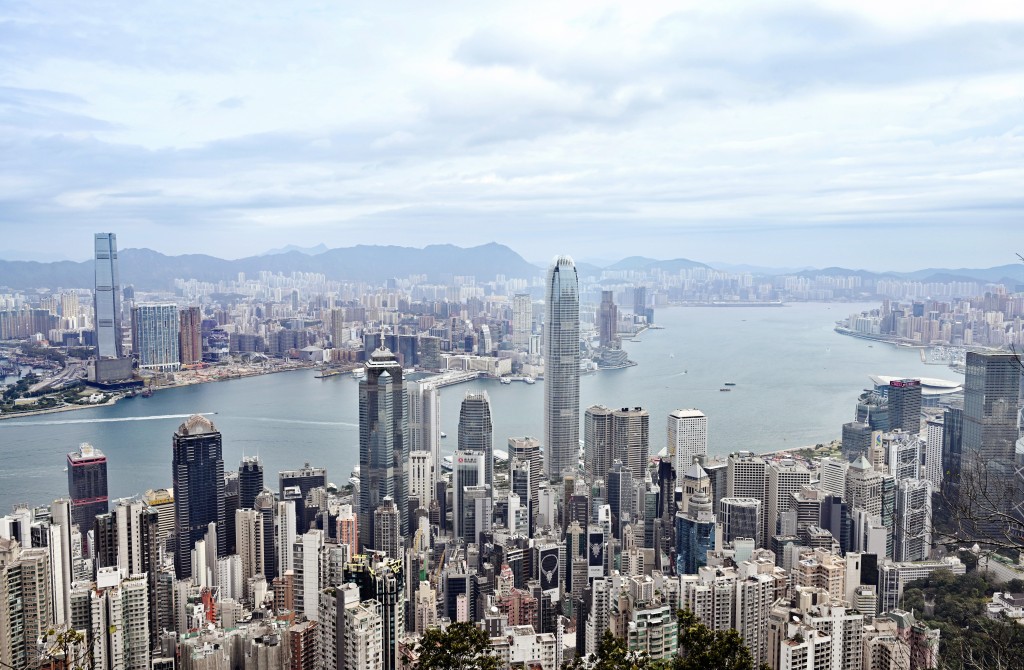
Victoria Harbour offers a unique opportunity to address this challenge. The stunning waterfront is a rare natural resource that could become a global platform for innovation, especially if it hosts an annual pavilion project designed by renowned architects and designers.
Hong Kong is no stranger to innovation in design. Since 2002, the city has held the Business of Design Week, an annual gathering of global heavyweights. Architects and designers such as Pritzker Prize winners Jacques Herzog, Rem Koolhaas, Zaha Hadid and Frank Gehry have graced this event, showcasing cutting-edge works and ideas.
This December, Italy will be the partner country, continuing the tradition of collaboration with international creative minds.
Add value to BODW
BODW has solidified Hong Kong’s reputation as a hub for design talent, but its impact could go further if paired with a public-facing initiative.
Globally, landmark architecture often draws tourists and generates viral social media content. Hong Kong has its share of iconic structures created by world-famous architects. Herzog and de Meuron’s Tai Kwun and M+ Museum, Zaha Hadid’s Jockey Club Innovation Tower and The Henderson, and Rocco Yim Sen Kee’s Hong Kong Palace Museum are just a few examples.
These buildings attract not only architects and designers but also tourists eager to capture their beauty.
London, Venice offer inspiration
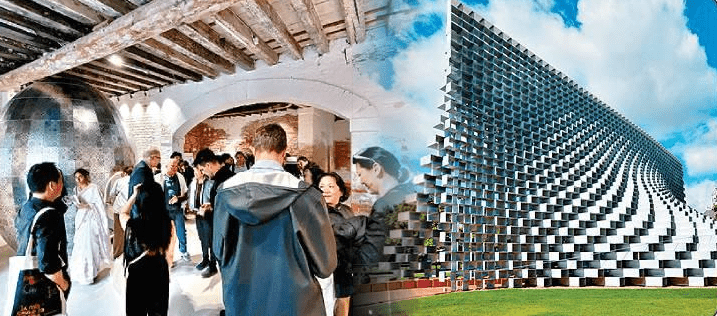
While Hong Kong’s land scarcity limits the development of permanent architectural landmarks, it could draw inspiration from temporary pavilions in London and Venice.
The Serpentine Galleries in London’s Kensington Gardens commission leading architects to design a pavilion within six months, which is open to the public for three months.
These pavilions have become must-visit destinations for the global design community, hosting exhibitions, talks, and events while garnering widespread media coverage.
Similarly, the Venice Biennale has long been a platform for showcasing architectural and artistic innovation.
Hong Kong has experimented with temporary pavilions in the past. Zaha Hadid’s Chanel Mobile Art Pavilion and Rocco Yim’s Bamboo Pavilion were striking examples, but these initiatives have not been sustained or institutionalized.
Establishing an annual pavilion project at the Victoria Harbour waterfront, coinciding with BODW, could become a signature event.
By commissioning renowned local or international architects to design these structures, the city could create an iconic attraction.
Victoria Harbour is an underutilized treasure. While parts of it have been revitalized, much of the shoreline along northern Hong Kong Island and southern Kowloon has not. An annual pavilion could transform this space, drawing locals, tourists and the design world to celebrate creativity against the backdrop of the city’s iconic skyline.
It could elevate Hong Kong’s position as a cultural and creative hub while reinforcing its status as Asia’s world city.