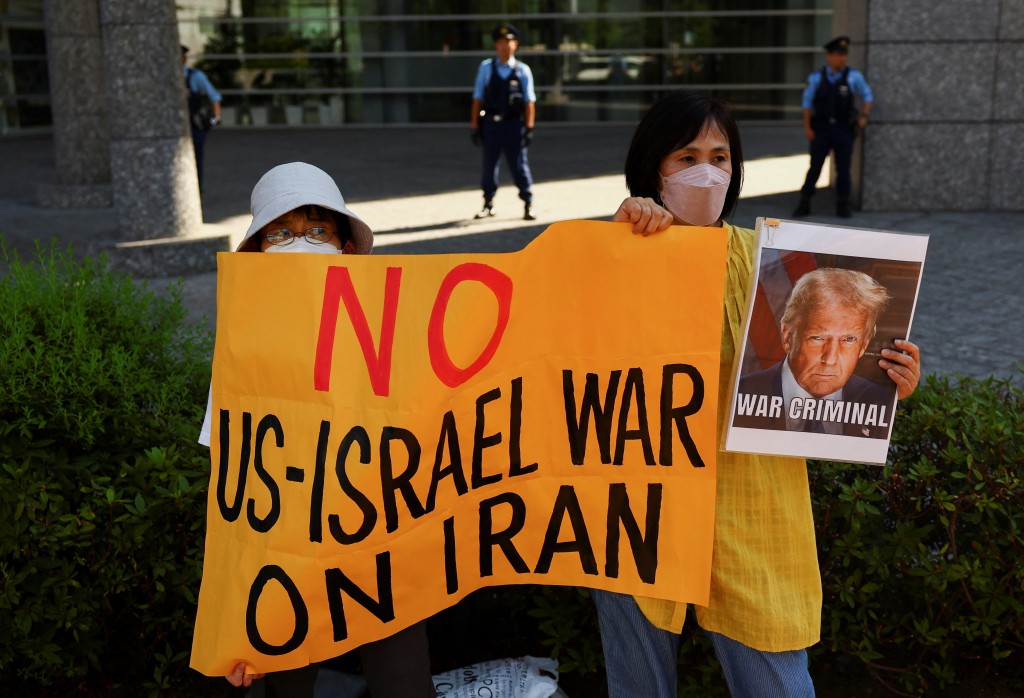
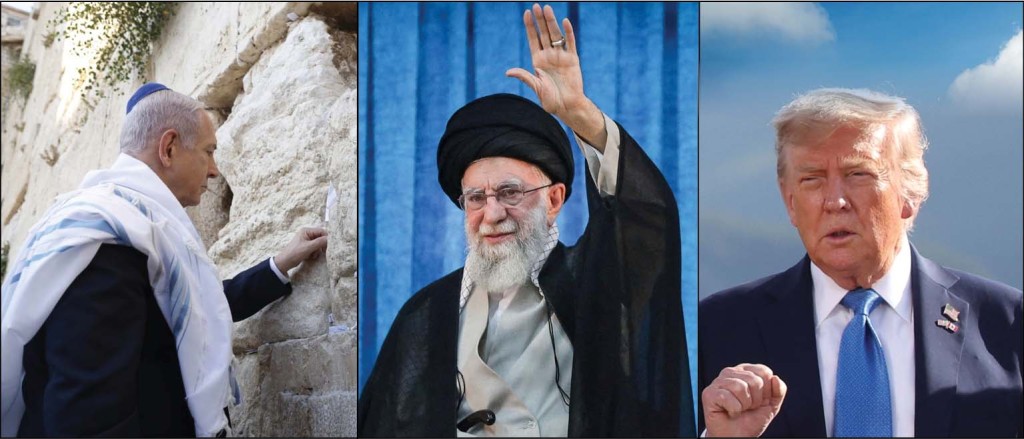
The US attack on three Iranian nuclear sites has sent shock waves through an already volatile Middle East, leaving investors, policy-makers, and people grappling with heightened uncertainty.
Just days ago, President Donald Trump’s spokeswoman indicated his administration would spend two weeks deliberating whether to join the escalating conflict between Israel and Iran.
That promise of measured consideration vanished in an instant, raising questions about the rationale and implications of this latest foreign policy gamble.
The move, carried out despite the absence of evidence that Iran has developed nuclear weapons, represents a sharp departure from Trump’s earlier vows to prioritize diplomacy and avoid entangling the United States in foreign conflicts. Instead, this decision has become one of his riskiest and most controversial foreign policy maneuvers, with ramifications that extend beyond the Middle East to global markets and even Trump’s own political career.
Markets to feel the heat
The immediate effect of Trump’s strike would be seen in financial markets, where uncertainty fuels volatility. Investors, already struggling to identify reliable safe havens in a turbulent global economy, now face even greater challenges.
Gold prices have surged by 40 percent over the past year as investors seek refuge, yet crude oil has dropped 23 percent, reflecting broader economic concerns. Now, shipping costs may rise with airlines canceling flights and ships may not be able to sailing through the Strait of Hormuz.
The US dollar and Treasury bills, traditionally safe bets, have seen declining confidence due to rising fiscal debt and Trump’s unpredictable foreign policies. Even the Swiss franc, a long-standing safe haven, has been destabilized by recent interest rate cuts.
While some speculate that capital may flow to Hong Kong as a relatively secure alternative, this remains uncertain, with short-term jitters almost guaranteed.
Tehran may escalate retaliation
The strike, which reportedly killed key Iranian experts and destroyed critical sites, may push Tehran toward more radical responses. The Shiite Houthis in Yemen have already threatened to attack US ships, and it remains unclear whether Hezbollah, the Lebanese Shia militia, will join the fray. The specter of a broader regional conflict looms large, evoking memories of the devastating Iran-Iraq War from 1980 to 1988, which drew in global powers and left both nations shattered.
For Iranians, Trump’s actions also revive bitter memories of past interventions.
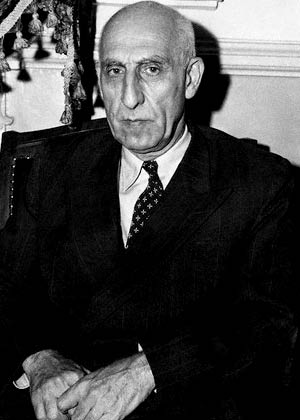
The 1953 CIA-backed coup, which overthrew Iran’s democratically elected Prime Minister Mohammad Mosaddegh, remains a deep wound. It was also backed by Britian, with eyes on Iranain oil. Also, the Americans played roles in toppling regimes in Iraq, Libya, and Afghanistan under the guise of liberation – none of which led to peace.
The CIA’s ouster of Mohammad Mosaddegh has never been forgotten in Iran.
Reza Pahlavi, the exiled son of Iran’s last Shah, has called for an uprising against Supreme Leader Ayatollah Ali Khamenei, likening him to a “terrified rat.” Yet, for many Iranians, any US-Israeli effort to topple the Islamic Republic is seen as another chapter in a long history of foreign interference.
Trump’s move undermines his previous rhetoric of being a peacemaker. Without congressional approval, the strike could put him under impeachment, according to some US lawmakers.
Whether diplomacy can prevail in the aftermath of this strike is uncertain, and the potential for a broader regional conflict is alarmingly high. Trump’s gamble may yield short-term political or economic gains for himself and his allies, but the long-term consequences – for peace, stability and global markets – could be far more damaging.