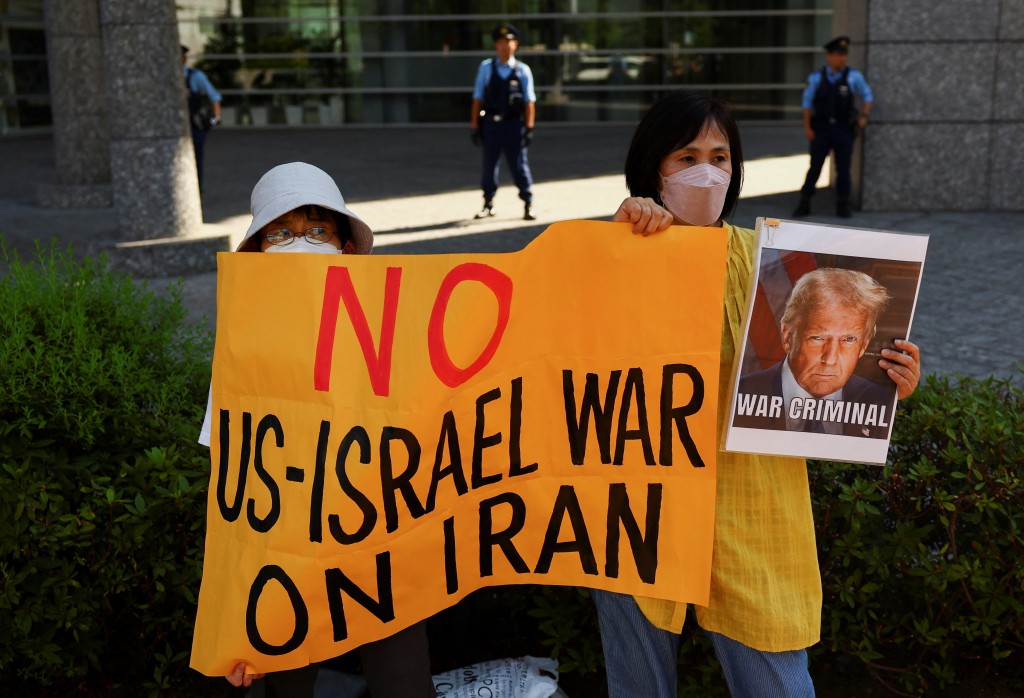
Fears are growing that the conflict between Israel and Iran could worsen with the United States building up its military presence in the Middle East.
When examined from a broader perspective, this conflict appears less about existential threats and more about leaders in Washington, Jerusalem and Tehran attempting to divert attention from their domestic troubles.
The result? A polarized world, fragmented alliances, rising oil prices and economic instability.
Three leaders in crisis
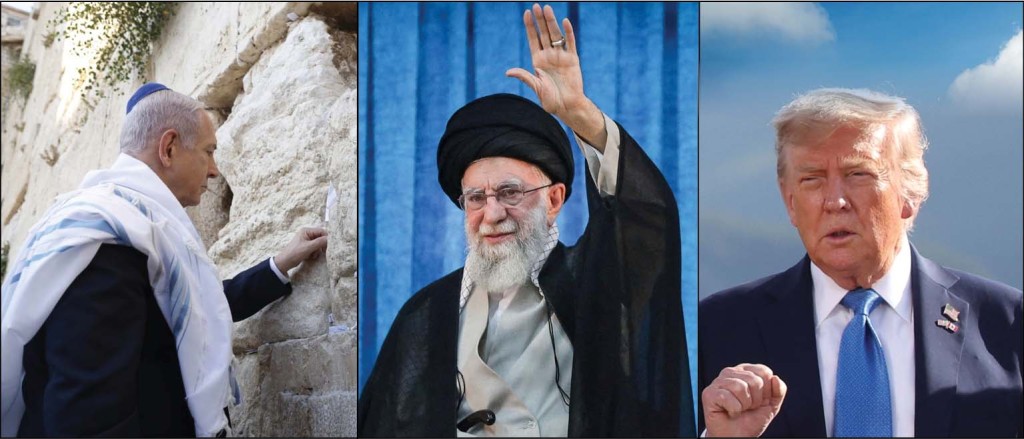
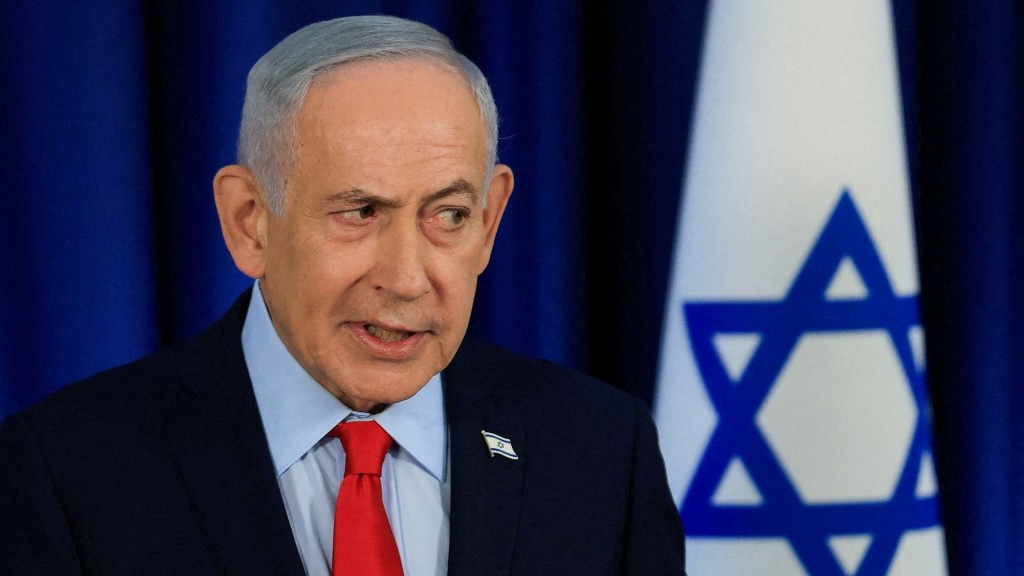
At the heart of this crisis lies an uncomfortable truth: all three countries involved – Israel, Iran, and the United States – are facing significant internal challenges. US President Donald Trump, Israeli Prime Minister Benjamin Netanyahu, and Iran’s Supreme Leader Ali Khamenei are all using this conflict to bolster their domestic standing.
Trump, who has been battling economic pressure at home, has vacillated between hawk and dove. On one hand, he’s called Khamenei an easy target, implying regime change, while on the other, he’s urged Netanyahu not to escalate tensions. Netanyahu, meanwhile, is using nationalist rhetoric and religious symbolism to consolidate support within Israel, where political divisions and economic strain loom large.
Iran, too, has leaned heavily on nationalist propaganda to rally its people, even as it grapples with sanctions, economic woes and social unrest.
These machinations are not confined to the region. German Chancellor Merz recently declared that Israel is “doing the dirty work for everyone” and deserves “the highest respect, while Russia, embroiled in its own war with Ukraine, has vowed to maintain warm relations with both Israel and Iran.
Meanwhile, Islamic states including Iraq, Saudi Arabia and the United Arab Emirates have pledged their support for Iran, despite sectarian divides. While Saudi Arabia and the UAE are Sunni-majority states and Iran is predominantly Shia, this demonstrates the complexities of Middle Eastern politics. Ironically, these same Sunni nations recently signed massive arms deals with the United States, highlighting the transactional nature of geopolitical alliances.
Religion gets weaponized
Meanwhile, religion is being weaponized to stoke nationalism amid the conflict.
Israel’s operation against Iran, named “Rising Lion,” draws its title from a biblical verse that foretells Israel’s strength and victory.
In a symbolic gesture, Netanyahu placed a handwritten note saying “the people shall rise up as a lion,” into Jerusalem’s Western Wall, Judaism’s holiest site, days ahead of its strike on Iran, which Khamenei termed “satanic.”
The phrase “Rising Lion” is taken from the Book of Numbers which compares Israel to a lion that will not rest until it has devoured its prey.
Ironically, the lion also holds significance in Iranian culture. Until the 1979 Islamic Revolution, the lion and sun motif was featured on Iran’s national flag and remains a potent symbol for Iranian nationalists and opposition groups.
Here lies a bitter paradox: Judaism, Islam and Christianity all trace their roots to the same biblical traditions. Yet, hypocritical politicians manipulate these shared origins for conflict rather than unity.
The consequences of this crisis are stark. Oil prices have surged, further straining a global economy already reeling from inflation and tariffs and the polarization of the world order deepens, with alliances shifting and old rivalries reigniting.
In the end, this is not just a battle between two nations but a great deception by leaders seeking to distract from their domestic failures. It’s a sobering reminder of how far leaders will go to maintain power and how often ordinary people bear the brunt of their ambitions.