Hong Kong has made impressive strides in the Global Muslim Travel Index, climbing from fourth to third place in the category of “Muslim-friendly Destinations (non-Organisation of Islamic Cooperation)”, marking its first entry into the top three.
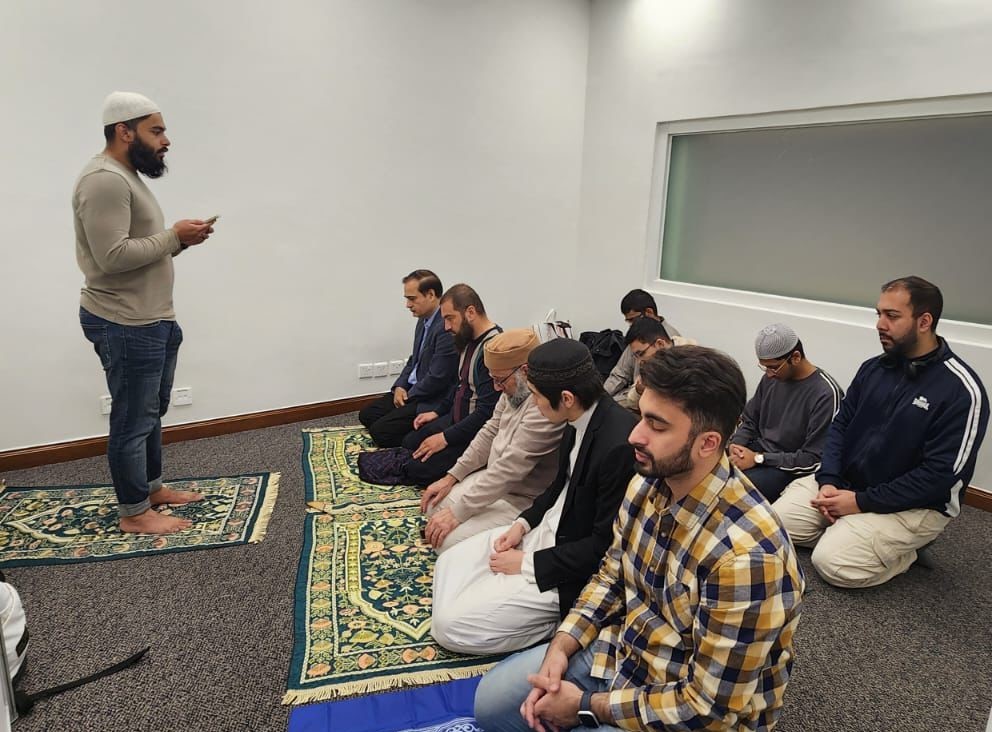
The city was also honored as the “Most Promising Muslim-Friendly Tourism Destination of the Year.” Additionally, Hong Kong ranked first in the new category “Muslim-friendly Accessible Travel Destination (non-OIC)” and second in “Muslim Women Friendly Travel Destination (non-OIC).” These international accolades underscore Hong Kong’s exceptional efforts and tangible achievements in promoting halal tourism.
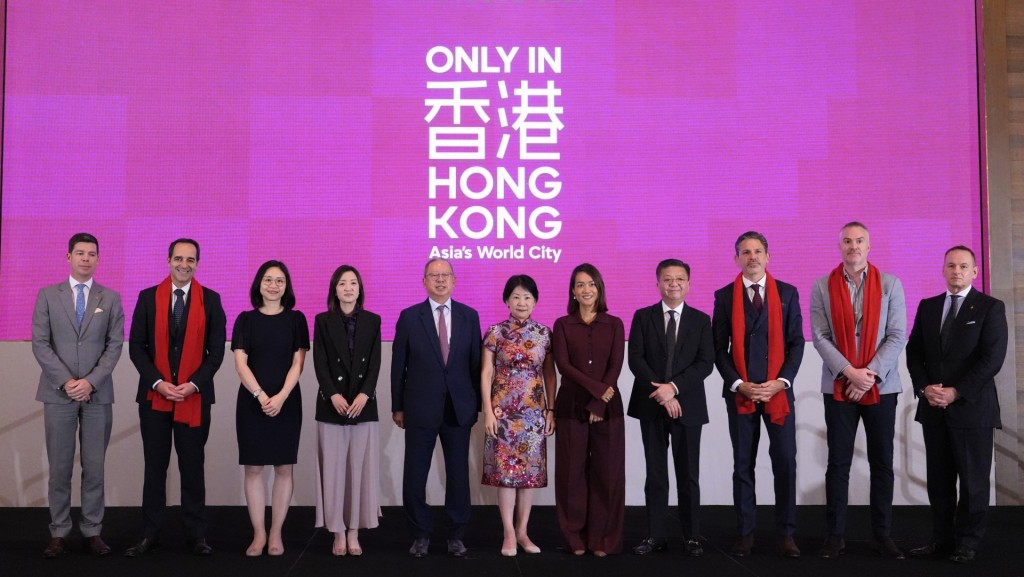
This success stems from the visionary blueprint laid out by Chief Executive John Lee Ka-chiu in last year’s policy address, which emphasized enhancing tourism infrastructure to create a more welcoming environment for Muslim travelers and tapping into markets from the Middle East and Asean regions.
The policy has invigorated the development of halal tourism in Hong Kong. Within just a year, government departments and various sectors of society have actively collaborated to implement measures that have taken root.
Muslim-friendly policies gain recognition
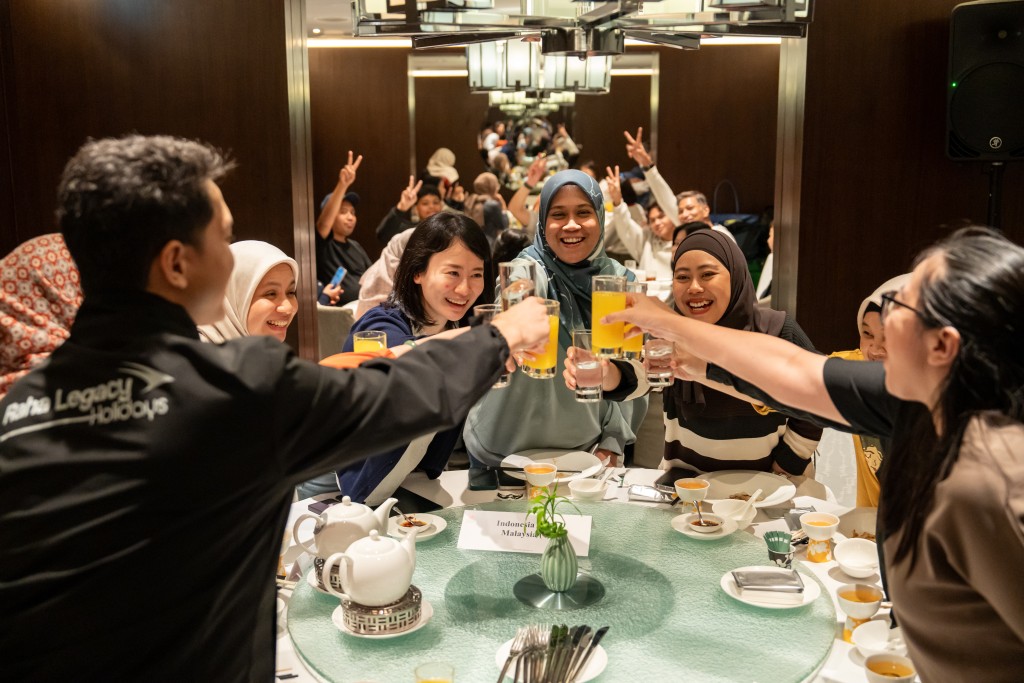
The number of halal-certified restaurants has nearly doubled, surging from around 100 in early 2024 to approximately 190 today. This growth reflects not only the industry’s keen awareness of market opportunities but also the positive impact of policy guidance.
Over 60 hotels, attractions, and convention venues have received the CrescentRating Muslim-friendly certification, demonstrating Hong Kong’s comprehensive ability to cater to Muslim travelers – from accommodation and entertainment to sightseeing and exhibitions. For instance, some hotels have creatively expanded their halal offerings, such as introducing “halal rice dumplings” with rendang beef filling during the recent Dragon Boat Festival, which proved both popular and profitable.
This shows that businesses are not merely complying with policies but genuinely embracing the opportunities they present, leveraging Hong Kong’s culinary innovation to enhance appeal.
Lee has not only provided strategic direction but also led by example. His recent inspection of halal facilities in hotels and engagement with the tourism sector sent a strong signal of the government’s commitment, and his visits to Muslim-majority countries have opened doors for collaboration and growth in halal tourism.
The Hong Kong Convention and Exhibition Centre has earned the prestigious Gold Certification from CrescentRating.
Tapping into the Muslim travel market
According to the Hong Kong Tourism Board, Muslims are projected to make up nearly one-third of the global population by 2030, with significant spending power. By 2028, an estimated 250 million Muslim travelers are expected to generate US$225 billion (HK$1.76 trillion) in global tourism revenue. The government’s proactive approach highlights its recognition of this market’s potential. Developing halal tourism not only injects new vitality into Hong Kong’s tourism industry but also reinforces the city’s reputation as a diverse and inclusive international hub.
By fostering closer ties with Muslim-majority nations through tourism, Hong Kong promotes cultural exchange, mitigates geopolitical friction, and showcases its adaptability and resilience in pursuing diversified growth.
Hong Kong’s outstanding performance in the GMTI is the result of effective policy leadership and industry cooperation. Moving forward, the government should continue promoting Muslim-friendly initiatives to solidify Hong Kong’s image as a welcoming destination. This success also raises anticipation for the upcoming policy address in September, where new measures could further elevate Hong Kong’s global standing.