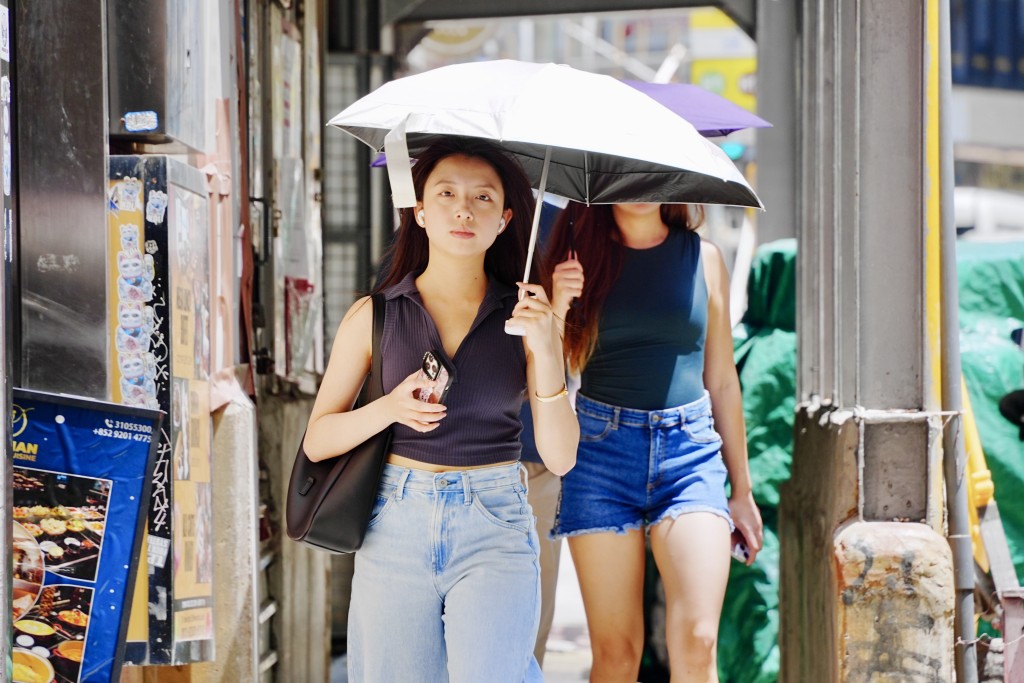
As world trade dynamics shift amid an escalating US-China trade war, could this be a blessing in disguise for Hong Kong?
China and Hong Kong are separate customs territories under the World Trade Organization.
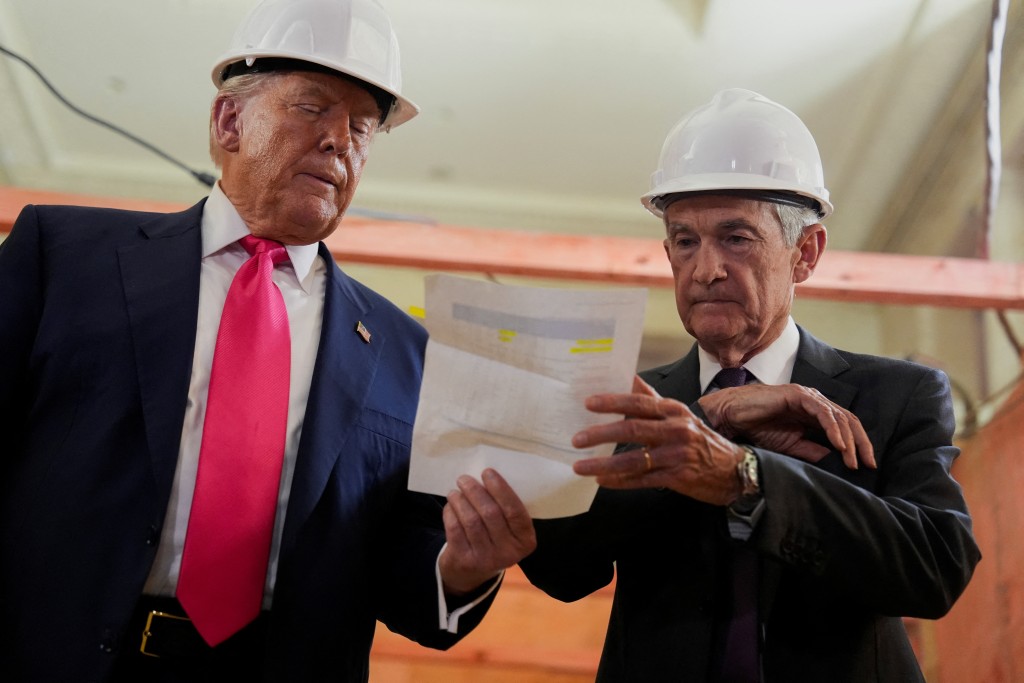
Although the United States has slapped 125 percent duties on Chinese goods, Hong Kong as a free port, stays tariff-free on imported goods including American ones. Under US President Donald Trump's principle for reciprocal tariffs, Hong Kong goods should have zero levies, though in reality, Trump is known to be fickle.
To tackle heavy US levies during Trump's first term, many firms moved part of their manufacturing from China to Southeast Asia including Malaysia and Vietnam, in what became known as China+1. However, if reciprocal tariffs are also slapped on Asean countries, this playbook becomes no longer viable.
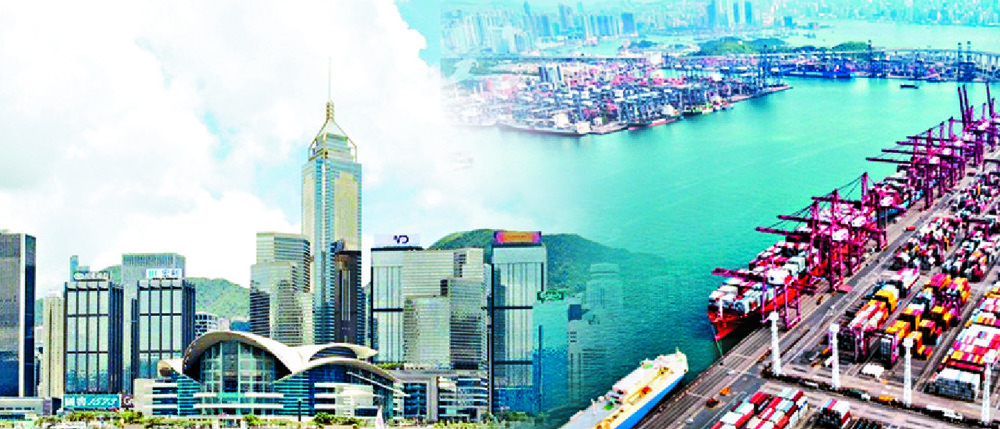
So, where should they go? Could the city re-emerge as a manufacturing hub under the banner of "Made in Hong Kong" or, better still, "Innovated, Designed and Made in Hong Kong?"
Even though the United States is treating Hong Kong as part of China for tariff purposes and charges the same tariffs, the SAR can challenge it at the WTO in the longer run.
For now, Hong Kong may focus on what the tariff differential could create for it.
Historically, the city's manufacturing had a golden period when "Made in HK" toys were globally well-sought after. The trend faded as factories moved to the mainland in the 1980s and 90s. However, in recent years, it has been heading toward 'Industry 4.0' - smart, high-value production that no longer depends on large factory space.
The Hong Kong Science and Technology Parks is vital to this shift, whose Advanced Manufacturing Centre in Tseung Kwan O InnoPark supports high-end production in pharmaceuticals, medical devices and robo-electronics. The Hong Kong Productivity Council also helps companies transition to smart manufacturing.
After years of effort, the value added of Hong Kong's manufacturing and new industrialization-related industries rose 7.6 percent to HK$76.8 billion in 2023. Hong Kong brand just aligns with the global demand for value and quality.
Still, hurdles loom due to US tariffs.
Hong Kong has a legal system the business world trusts and a legacy of trade agility. Armed with this, it would be possible for the city to not just survive but also thrive amid the trade war.
For one, the tariff differential creates an opportunity for arbitrage trading. America's sky-high tariffs on Chinese goods, including Hong Kong's, and China's retaliatory levies on US goods allow the city's zero tariff to stand out. As Hong Kong can import US goods without China's duties and Chinese goods without US tariffs, it can import them and sell them to buyers locally, leaving savvy traders to figure out how to move these out for profit. It was a trick widely used here when China was still closed to the world.
Second, the push toward high-value manufacturing positions Hong Kong to capture premium markets such as the Middle East where specialized goods usually net higher profit margins which should offer wiggle room.
Experts could look into rules of origin to see if there's any major production procedures that can be done in Hong Kong to make products qualified as "Made in HK".
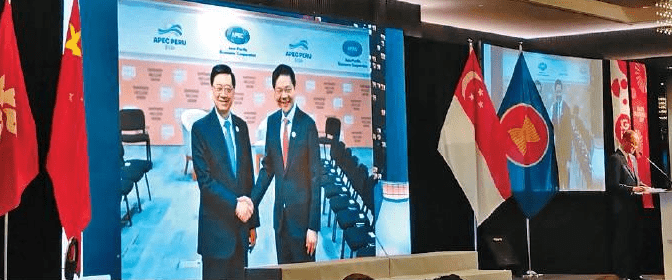
Third, as Chief Executive John Lee Ka-chiu noted, price gaps could lure shoppers from both sides to boost tourism and the retail sector.
Hong Kong does not merely need to weather the storm but may also exploit it, only if it knows how to.