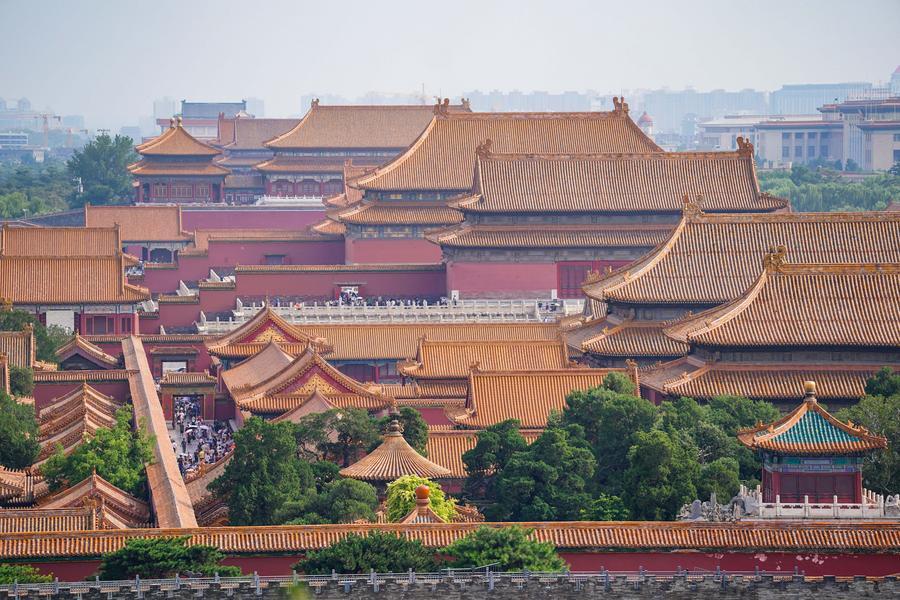
A researcher and ancient architecture expert from Beijing's Palace Museum has clarified a widely circulated online rumor, explaining that while pig blood was indeed used in the construction of the Forbidden City, its purpose was scientific, not supernatural.
The clarification comes from Andy Zhou, a research fellow at the Palace Museum, in his new book, which aims to dispel common misconceptions about the historic site.
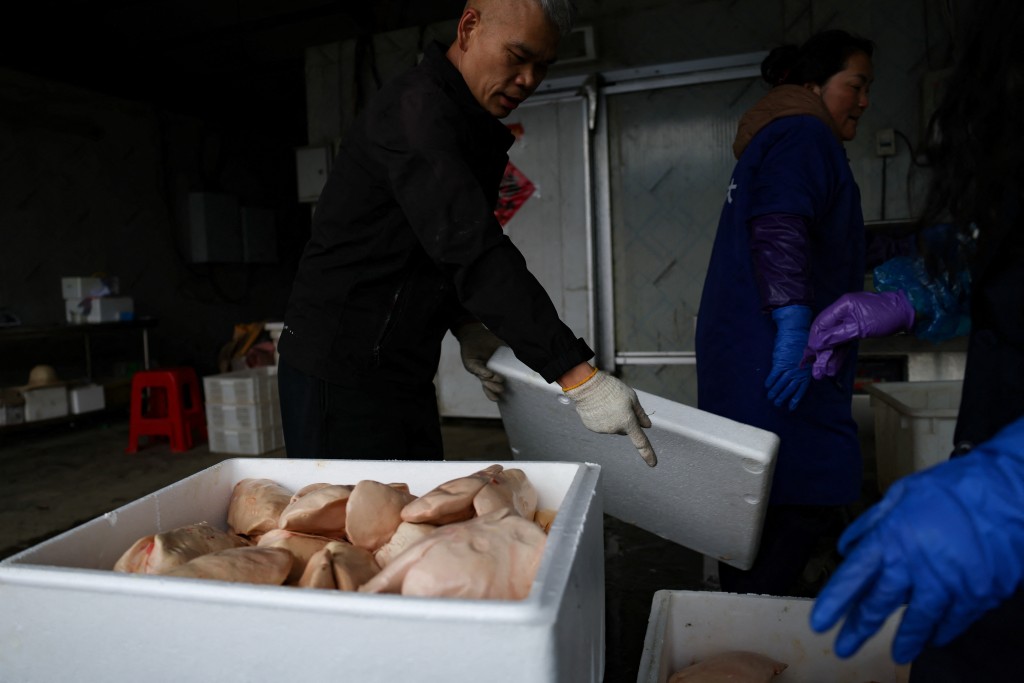
One of the most persistent rumors claims that the Forbidden City uses 60 tons of pig blood annually to ward off evil spirits.
Zhou explained that pig blood is in fact a component found in the protective layers of the palace's wooden structures. However, rather than being used for "exorcism," it served as a crucial binding agent. Ancient craftsmen mixed the blood with other materials like brick ash, tung oil, and hemp fibers to create a paste.
This mixture was then applied as a coating over the wooden components.
The purpose of this coating was to protect the underlying wood from the damaging effects of sun, rain, and insect infestations. Zhou detailed that the proteins in the pig blood would break down in the alkaline environment of the plaster, bonding with calcium ions.
This chemical reaction significantly enhanced the adhesion and durability of the protective layer, showcasing the scientific ingenuity of ancient builders.