Read More











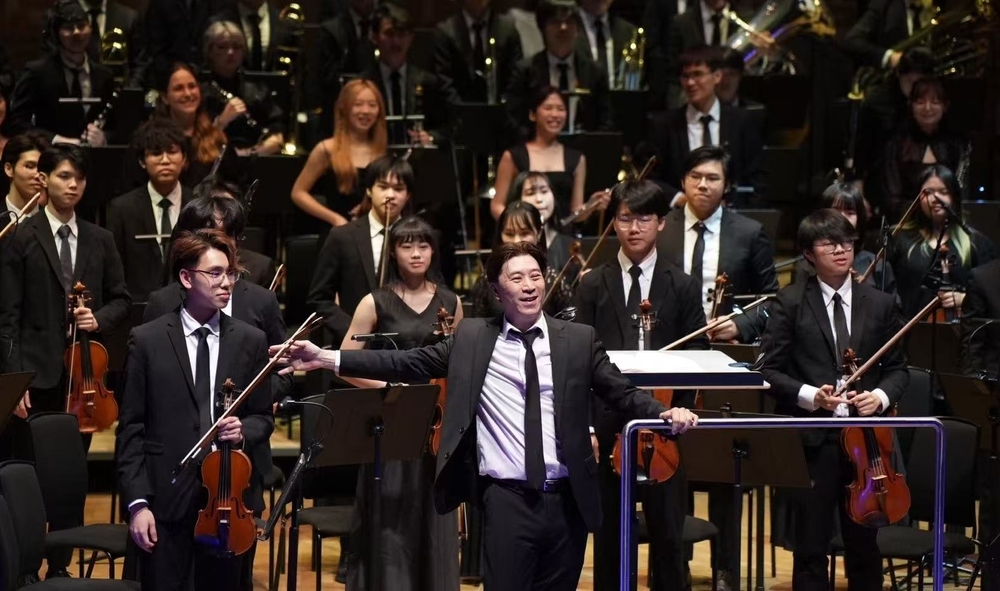
The Hong Kong Baptist University (HKBU) Symphony Orchestra held its Annual Gala Concert on Wednesday, captivating nearly 1,200 guests with an unforgettable musical journey that artfully blended classical virtuosity, choral harmony and cutting-edge technology.
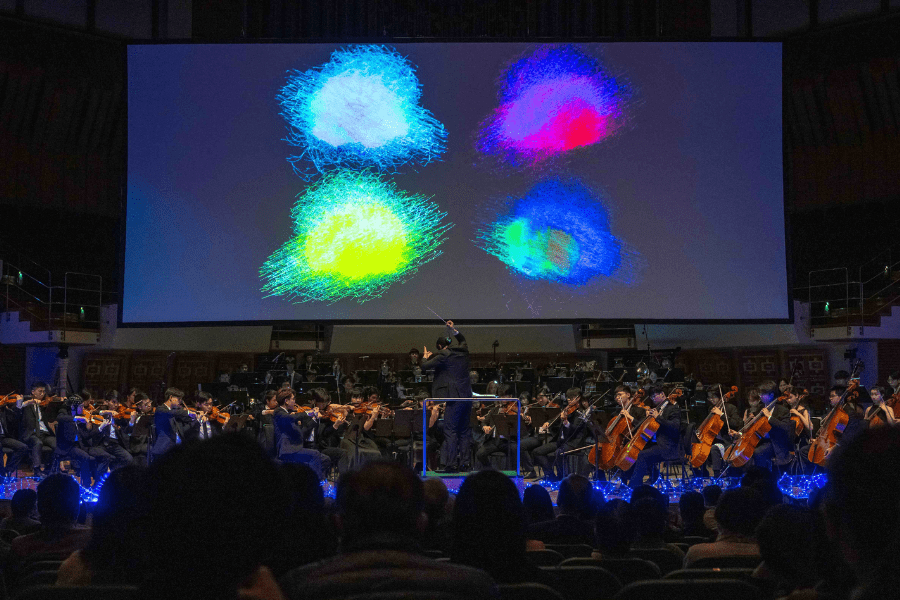
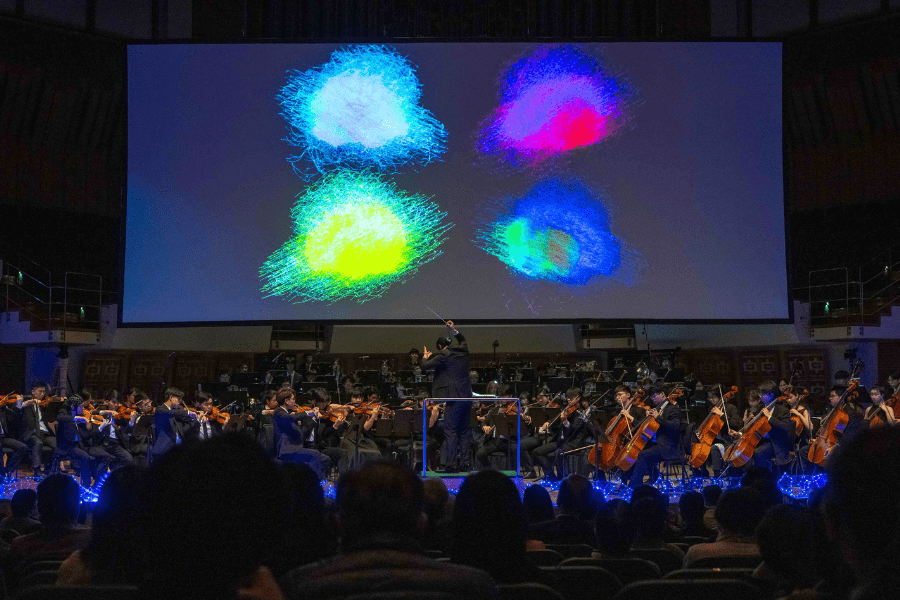
To explore the intersection of music and brainwave technology, the concert hall was transformed into a laboratory, utilizing portable functional Near-Infrared Spectroscopy (fNIRS) devices to monitor the real-time brain activity as performers played Gustav Mahler’s Symphony No.1 in D major, IV. Stürmisch bewegt.
This approach not only offered the audience a unique glimpse into the minds of the musicians by translating the brainwave patterns via artificial intelligence while honouring the classical works but also redefined the boundaries of artistic expression.
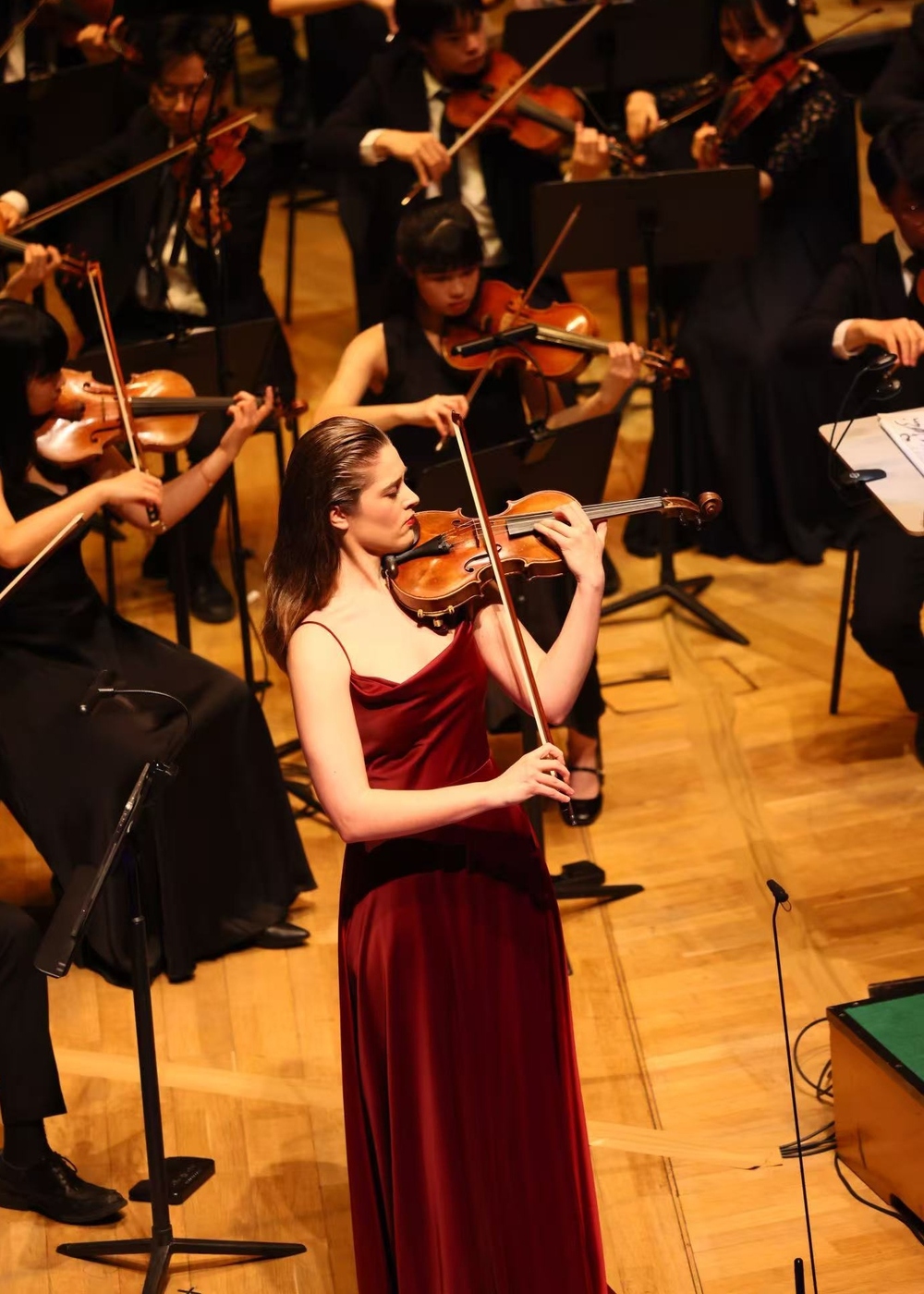
Under the direction of Associate Vice-president of Interdisciplinary Research Johnny Poon Ming-lun and professor Hung Hin-shiu, the concert showcased the rising Spanish violinist Raquel Areal Martínez, who delivered an exceptional performance of Max Bruch’s emotive and technically demanding Violin Concerto No. 1 in G minor, Op. 26.
From the stirring first movement to the deeply expressive adagio and dynamic finale, Martínez’s performance has left the audience in awe.
To further elevate the evening’s enchantment, HKBU’s chamber choir, Cantoría Hong Kong, presented Johannes Brahms’ Warum ist das Licht gegeben dem Mühseligen?, Op.74, No.1, and Arnold Schoenberg’s Friede auf Erden, Op.13 to the audience.
Additionally, the concert included a performance of Leonard Bernstein’s classic operetta Overture to Candide, adding vibrancy to the overall performance.