Read More
The latest data from the Central Registry of Drug Abuse shows that "space oil" drugs have become the third most commonly abused drug among individuals under the age of 21. Meanwhile, in 2024, a quarter of the cases sent to hospitals after suspected "space oil" use were minors.
ADVERTISEMENT
SCROLL TO CONTINUE WITH CONTENT
The news came as “space oil” - a drug often inhaled through an e-cigarette - gained popularity among teenagers in recent months. Last week, a video went viral online showing three teenagers engaged in group sex in a public housing estate car park, possibly under the influence of the drug.
Read more: Three teenagers held after car park sex clip goes viral
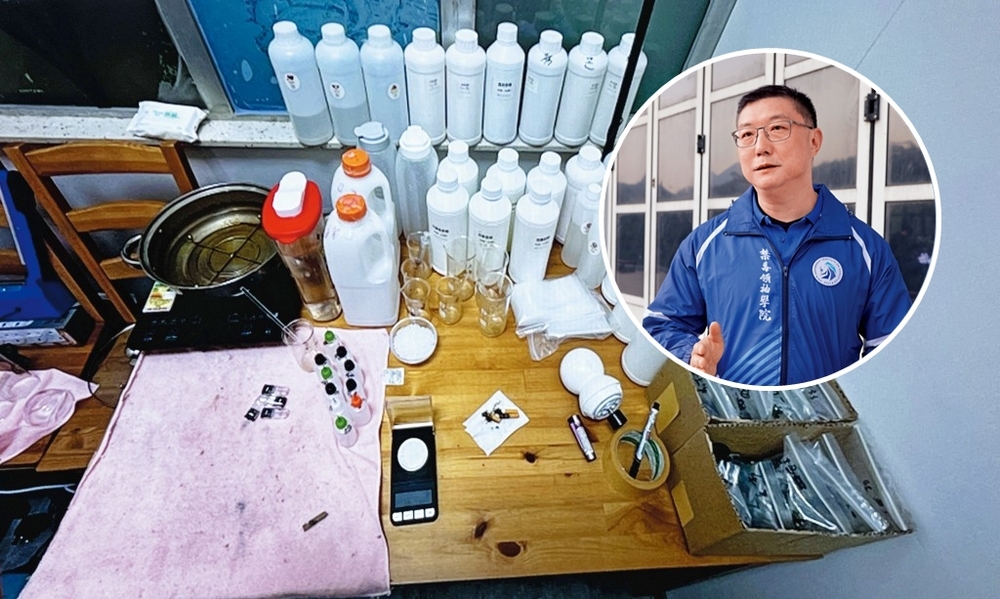
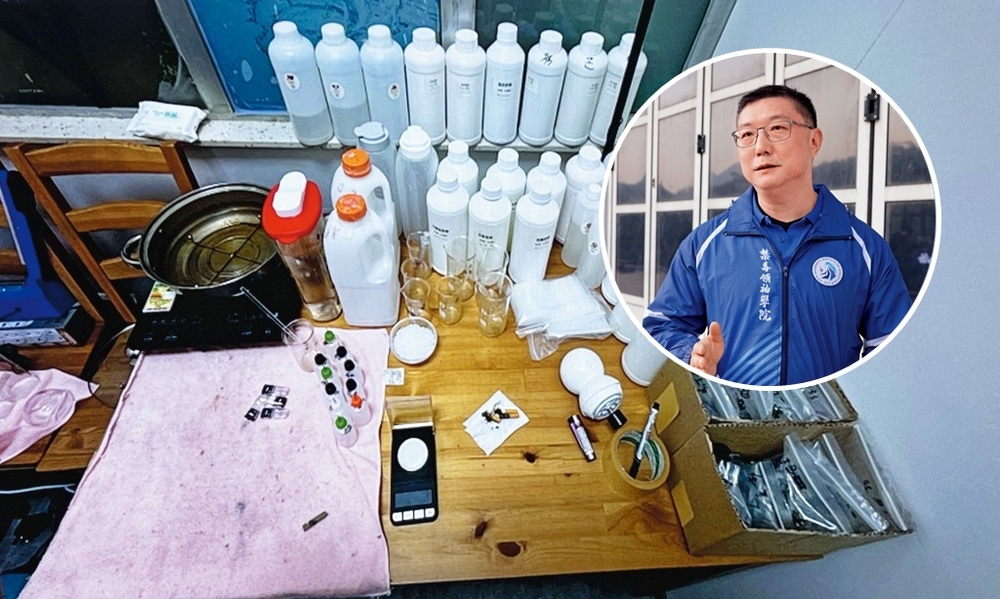
Eastweek, The Standard’s sister publication, previously looked into the space oil drug problem in Hong Kong and uncovered how a 15-year-old teenager set up a “drug lab” by creating “enhanced space oil” by mixing it with other dangerous drugs.
A social worker told Eastweek recently that the latest trend has seen drug syndicates hiring students or kids to sell the drugs in schools.
Chief Superintendent Nelson NG Kwok-cheung of the Narcotics Bureau, in an interview with Eastweek, decodes the recent trends and tells readers how the police are systematically targeting the syndicates’ distribution networks.
He said since the government officially gazetted a ban on the key ingredient of "space oil," etomidate, along with three similar substances, on February 14, police have uncovered two cases of local production.
He said drug dealers add various flavors to the "space oil," then inject them into e-cigarette cartridges, with a relatively crude manufacturing process.
Each cartridge is sold for between HK$100 and HK$800, available in all sorts of fruity flavors to attract young individuals, he said.
The police officer also noted that more schools have proactively sought authorities’ help, reporting finding e-cigarette cartridges in students' backpacks.