Read More






Night Recap - September 21, 2026
6 hours ago
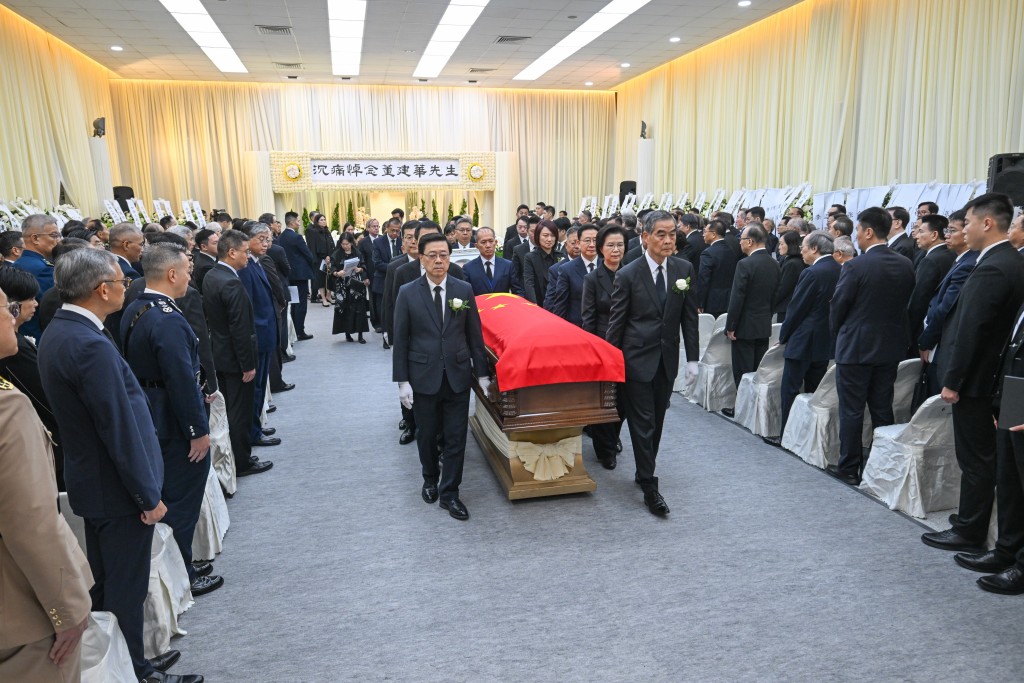
John Lee and CY Leung lead pallbearers for Tung Chee-hwa
20-09-2026 15:54 HKT
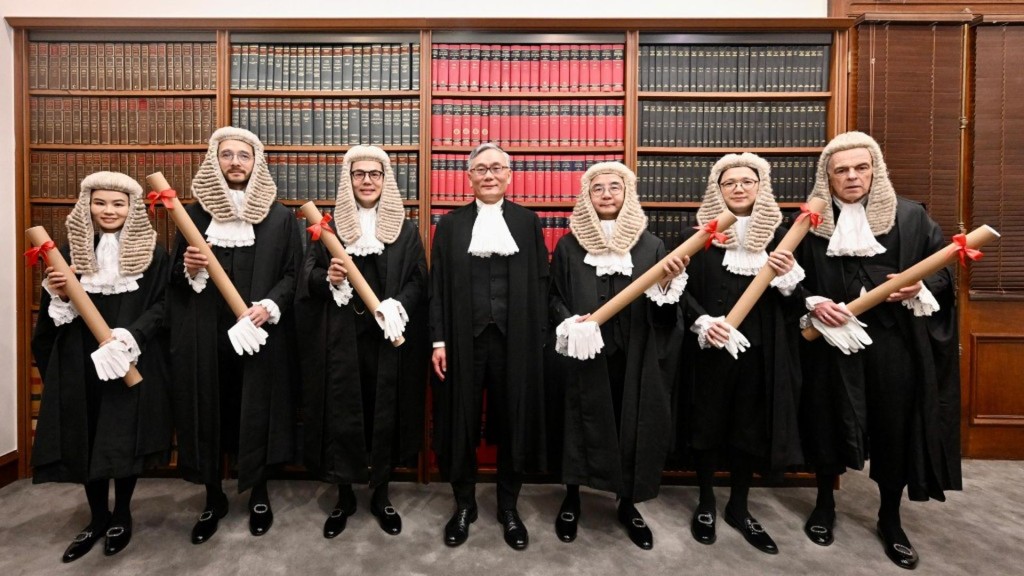
Law Society proposes allowing solicitors to be appointed Senior Counsel
21-09-2026 01:56 HKT
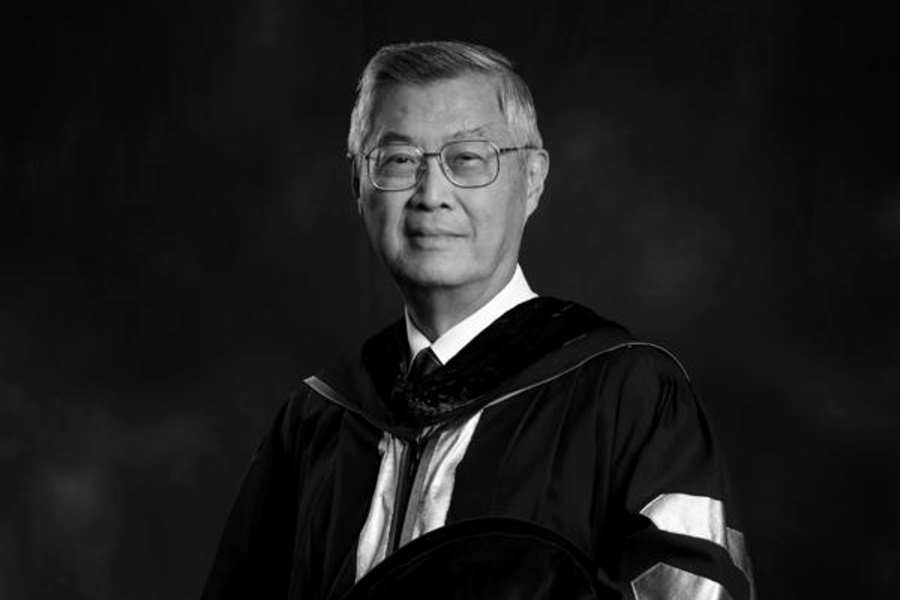
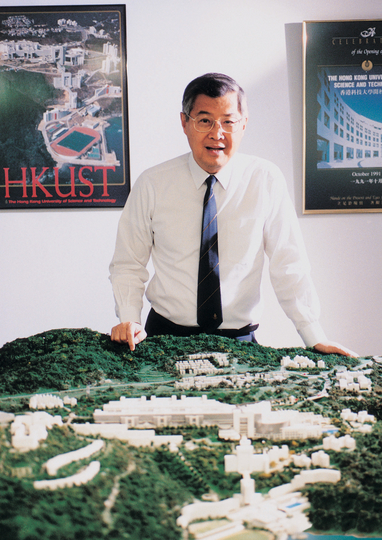
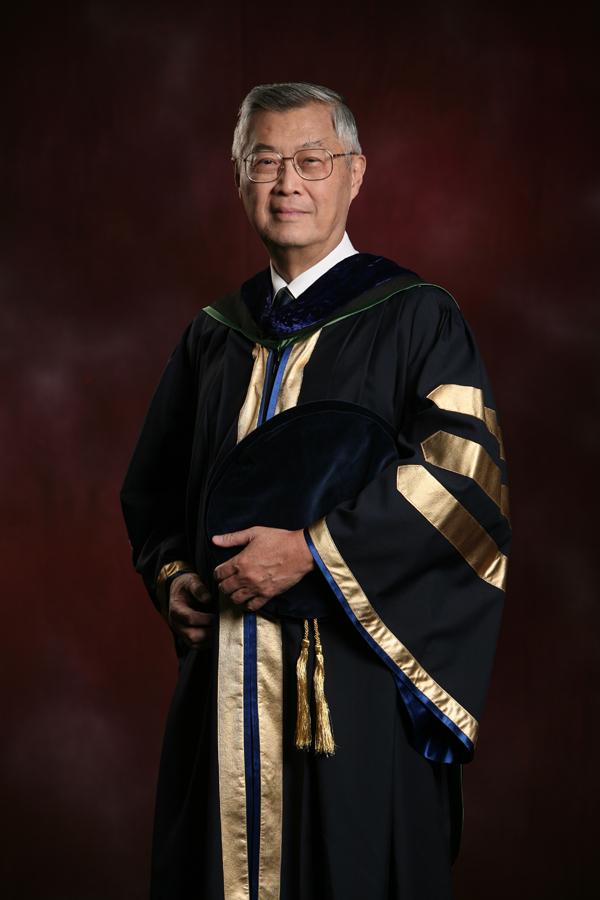
Hong Kong University of Science and Technology’s founding president Woo Chia-wei died at the age of 87 on Sunday, the university said.
Woo, who served as HKUST President from 1991 to 2001, laid the foundation for the university and established the institution as a “leading research university in Hong Kong and beyond,” HKUST said in a press release on Tuesday.
He continued to serve as university president emeritus and a senior advisor to the university after stepping down from the president position in 2001.
Woo also served on several Hong Kong government committees including the Commission on Strategic Development and Industry and Technology Development Council, and was appointed as a member of the Preparatory Committee for Hong Kong’s return to China. He also became a member of the Chinese People’s Political Consultative Conference in 1998.
He was awarded the Grand Bauhinia Star (GBS) and Commander of the British Empire (CBE).
HKUST President Nancy Ip Yuk-yu, who worked with Woo for over eight years from 1993 to 2001, was saddened by his death.
“A man of extraordinary foresight, Professor Woo envisioned and empowered HKUST as a catalyst for Hong Kong’s transformation,” she said.
“He forged a culture of excellence, recruiting distinguished faculty, designing cutting-edge curricula, and fostering partnerships with leading global institutions. His insistence on cross-disciplinary collaboration and a forward-looking research agenda laid the foundation for HKUST’s enduring success.”
HKUST Council Chairman Harry Shum Heung-yeung also said Woo was “one of the few individuals with both grand visions and strong capability of execution,” and his departure marks an irreplaceable loss to the university, Hong Kong and the global academic community.
“With unwavering dedication, he led the establishment of HKUST, transforming a bold vision into a world-class institution renowned for its pioneering research, innovation, and global impact, especially during a time when Hong Kong was in a critical juncture of transitioning to a knowledge-based economy,” he said.