Read More











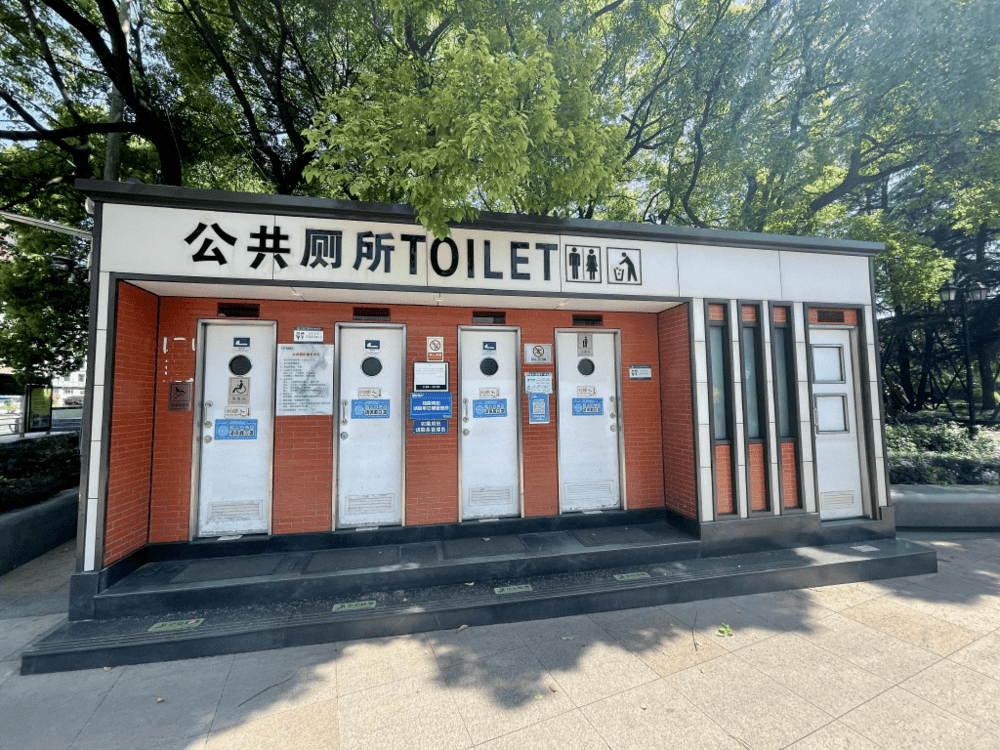
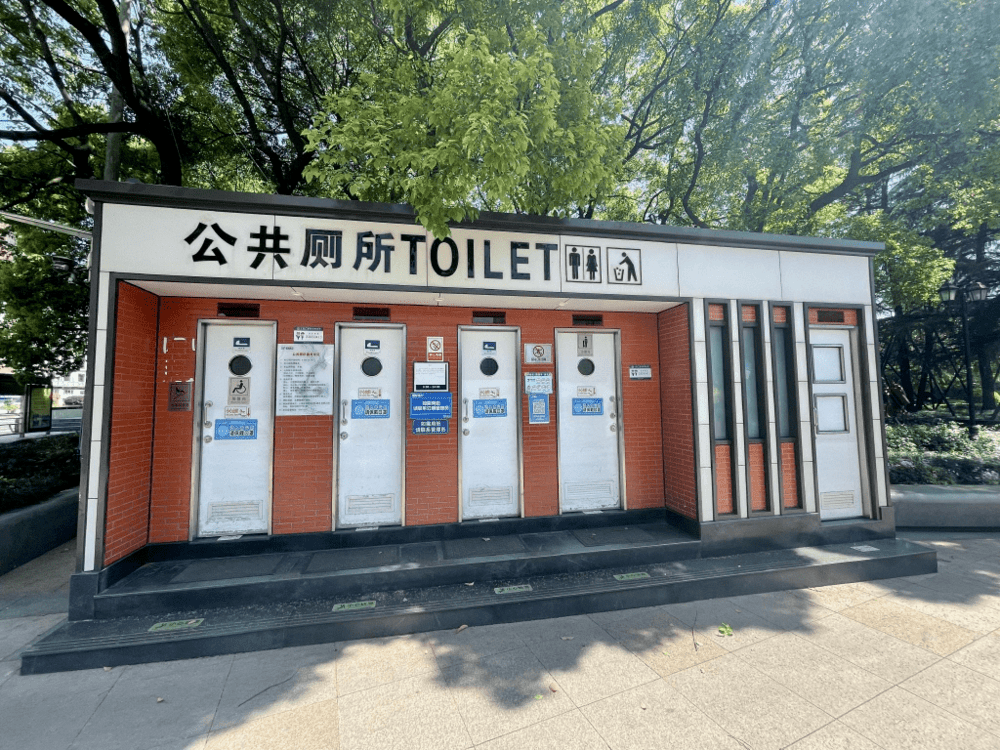
A recent incident involving a couple contracting norovirus after using a public restroom has sparked widespread discussion online. The event took place during their visit to Guangdong, a region recently plagued by outbreaks of the virus.
The male victim posted a video on Douyin, explaining that his wife had to use an unflushed and visibly dirty stall in a mall restroom due to a long queue. Despite her attempts to flush, the toilet remained unclean, yet she proceeded without wearing a mask.
Shortly thereafter, she began experiencing symptoms such as retching, a low fever, and vomiting. The poster also developed a high fever six hours later, and both were confirmed to be suffering from norovirus, turning their trip into an unexpected confinement in their hotel room.
Mainland media reports that the viral infection can occur year-round but typically peaks from October to March. High population density areas like schools and childcare institutions are considered high-risk.
Norovirus is highly contagious and can lead to successive infections within families, with an incubation period of 24 to 48 hours. Symptoms primarily include vomiting and diarrhea, accompanied by nausea, stomachaches, and muscle aches. Children are more likely to suffer from vomiting, while adults often experience diarrhea.
Medical experts emphasize that while norovirus can be transmitted through aerosols, this is not the primary route of transmission. However, the risk, though generally low, should not be overlooked.
The incident has also fueled a debate over the design of sitting toilets, which many consider unsanitary due to high physical contact. Some netizens have suggested that malls should consider installing squat toilets, which are believed to be more hygienic and better suited for Asian populations.
The public is urged to enhance hygiene practices, especially in public restrooms. Recommendations for restroom users include using tissues to touch handles and doors, flushing toilets before use, placing tissues in seating areas, and wearing masks.