Read More



Six senior counsel appointed
31-03-2026 13:54 HKT
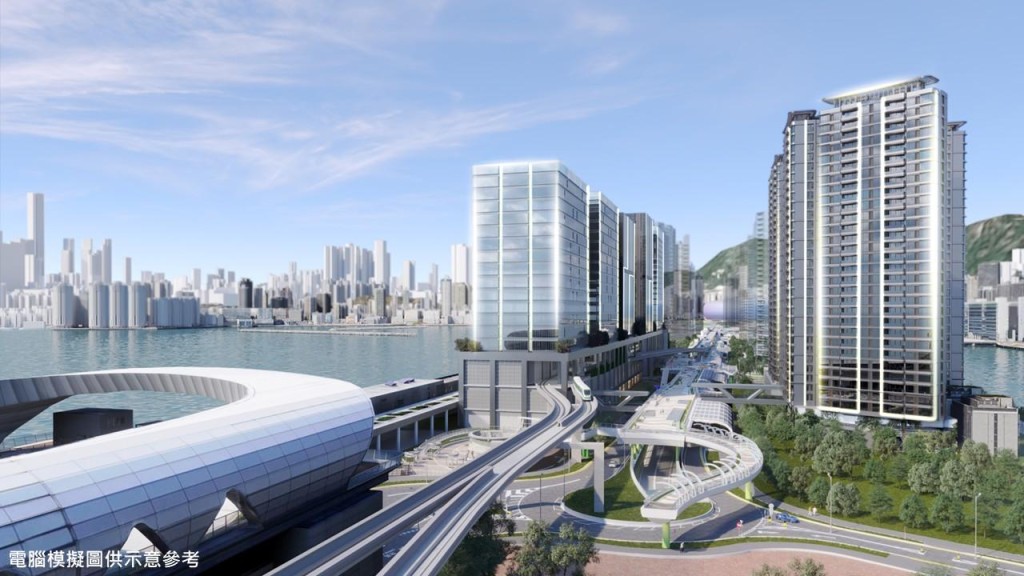
Approval granted for Kai Tak’s six-stop Smart & Green Mass Transit System
31-03-2026 16:27 HKT


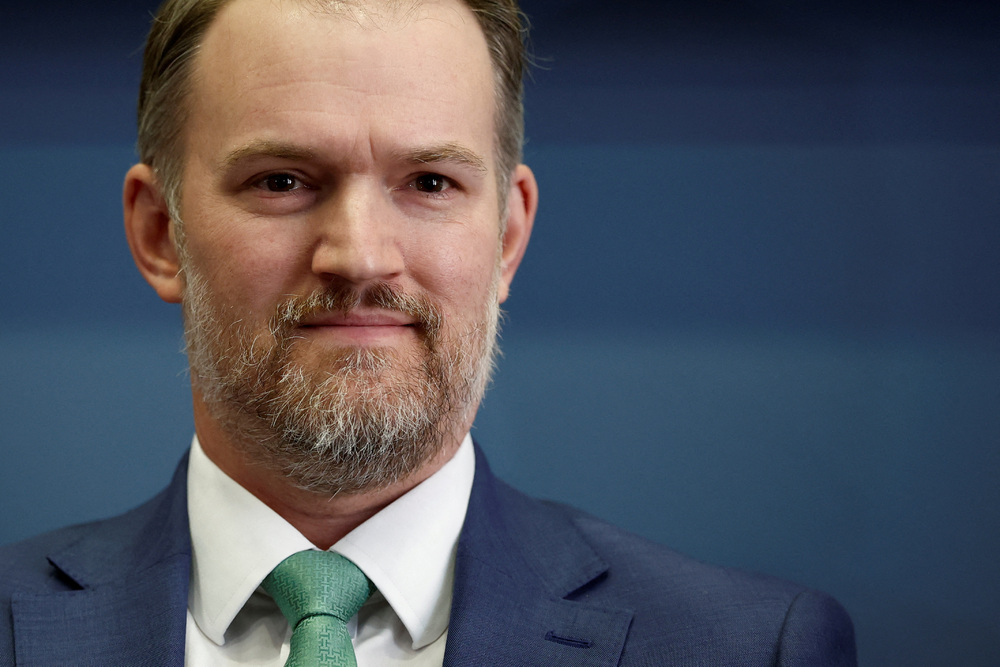
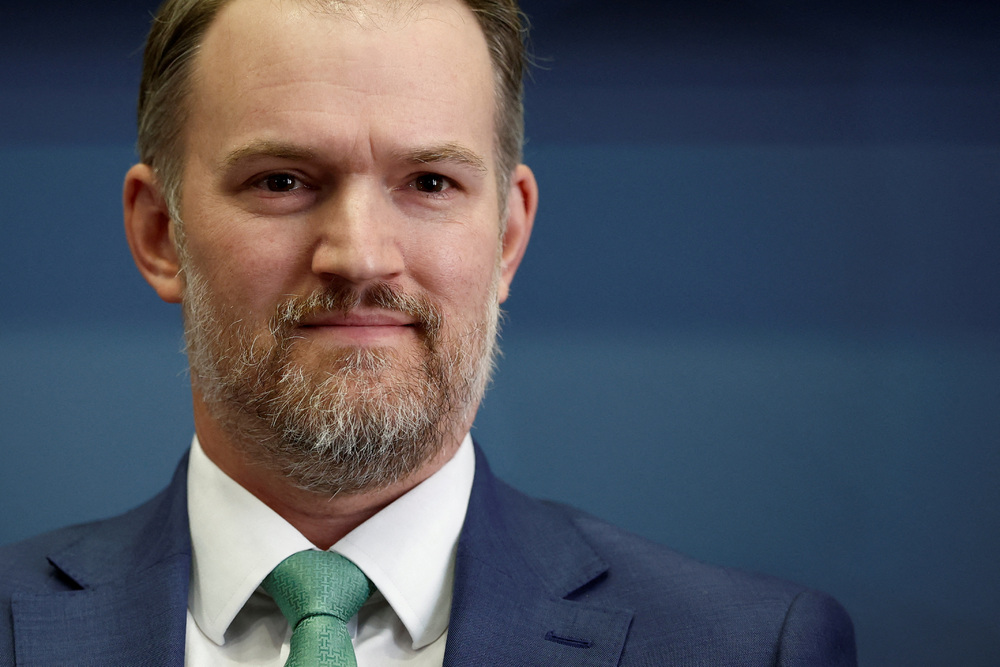
Jamieson Greer, President Donald Trump's nominee for US trade representative, said on Thursday that a universal tariff needs further study to gauge its impact on rising US trade deficits, and put countries on notice they must lower import barriers to maintain access to the US market.
Greer told a US Senate confirmation hearing that Trump's campaign promise of imposing at least a 10 percent universal tariff would be examined under an inauguration day trade memo, which ordered a report by April 1.
He said the study would also examine the impact of a growing US goods trade deficit, which on Wednesday reached a record US$1.2 trillion (HK$9.36 trillion) for all of 2024 as imports surged.
"Part of the question is how large of a trade deficit do we want, because the trade deficit represents, in large part, manufacturing jobs that have (gone) overseas," Greer told the Senate Finance Committee.
"A universal tariff is something that should be studied and considered to see if it can reverse the direction of that deficit and the offshoring" of jobs, said Greer, a Washington trade lawyer who was chief of staff to former USTR Robert Lighthizer during Trump's first term.
Like Lighthizer, Greer wants to push for smaller trade deficits and equal treatment from US trade partners.
He said it was "a huge problem," that trade deficits were growing with certain countries, including Vietnam, that have high tariff and non-tariff trade barriers.
The US goods trade deficit with Vietnam rose 18 percent last year to US$123.5 billion, according to Census Bureau data, due in part to companies shifting production away from China to avoid Trump's first-term tariffs.
If confirmed, Greer said he would in "short order" assess unfair trading practices of countries that maintain large trade imbalances with the US "and explain to them that if they want to enjoy continued market access to the United States, we need to have better reciprocity."
IT'S ABOUT FENTANYL
Asked about Trump's initial tariff threats against Canada and Mexico and new 10 percent duties on Chinese imports, Greer said the goal of these actions was reaching agreements to curb the flow of the deadly opioid fentanyl into the US, and illegal migration. Trump has sometimes said his goal also was to cut trade deficits and to raise revenue.
"The action that the president is talking about is about fentanyl," Greer said. "We don't want another single fentanyl death. A kilogram of fentanyl can kill 50,000 people, by some calculations. We can't have that, and we need to come to an agreement on that."
CHINA REVIEW
Regarding the US trading relationship with China, he said it needs to become balanced, and that this would require more than lowering Chinese tariffs, but also reducing non-tariff barriers.
Greer said that as directed by Trump's trade memo, he will review where China did not comply with the 2020 "Phase 1" trade deal with Beijing. The deal paused a two-year trade war and included commitments by China to boost purchases of US farm goods, energy, manufactured products and services.
"From there, you move to dispute settlement and you move to enforcement," Greer said.
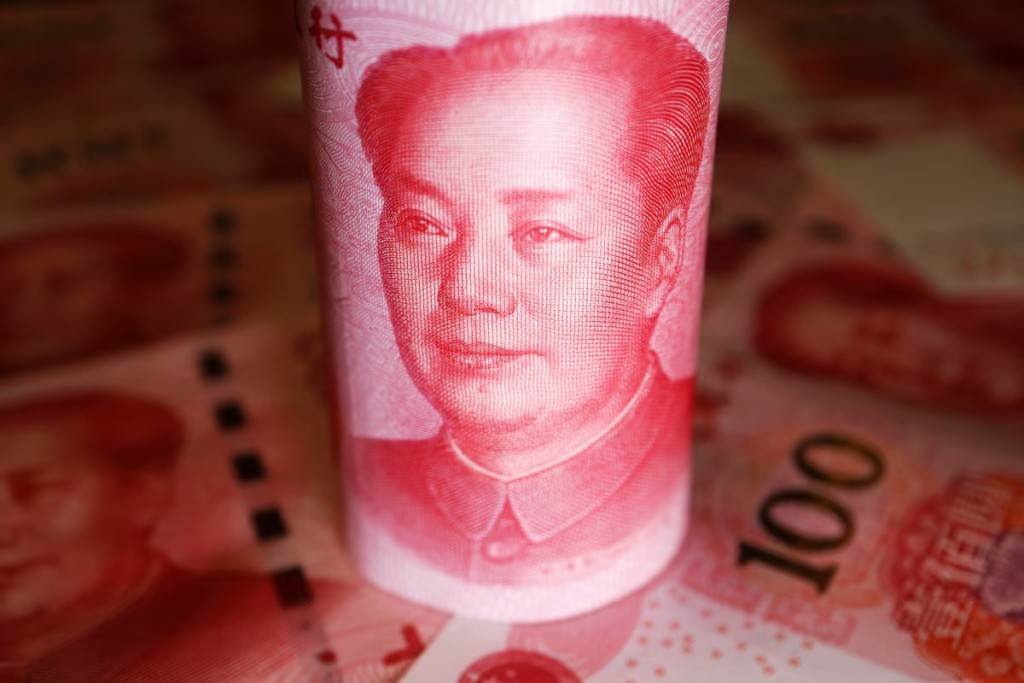
In addition to the 10 percent tariffs imposed this week, Trump vowed during his presidential campaign that he would impose duties of 60 percent on Chinese goods.
Greer said the 2020 US-Mexico-Canada Agreement on trade also needed to be re-examined to ensure China and other foreign countries of concern are not "free-riding" on it for duty-free access to the US. The USMCA is due for renegotiation by 2026.
Greer added that he wanted to hold Mexico and Canada to their USMCA market access agreements, including dairy for Canada and energy for Mexico.
Greer also called for a more muscular approach to digital trade to push back against regulatory efforts by South Korea and the European Union against US technology firms after the Biden administration last year dropped its longstanding World Trade Organization demands for free cross-border data flows and prohibition of data localization requirements.
"We should not be outsourcing our regulation to the European Union or Brazil or anyone else, and they can't discriminate against us and it won't be tolerated," Greer said.
AGRICULTURAL ACCESS
Asked by several senators about his plans for expanding agricultural trade, which suffered during Trump's past trade wars, Greer said he wanted to expand foreign markets for "competitive" US farmers.
"That means that we need to go and gain market access where things have been closed," he said, citing India and Turkey as markets that need to fully open to US farm goods.
In his opening remarks, Greer said he would push for a pragmatic U.S. trade policy focused on rebuilding US manufacturing and shoring up supply chains.
"If the United States does not have a robust manufacturing base and innovation economy, it will have little in the way of hard power to deter conflict and protect Americans," he said.
REUTERS