Read More



AI model predicts tropical cyclone to approach within 400km of HK on Sat
06-09-2026 18:58 HKT
Boy, 10, dies after collapsing at Happy Valley home
07-09-2026 00:26 HKT


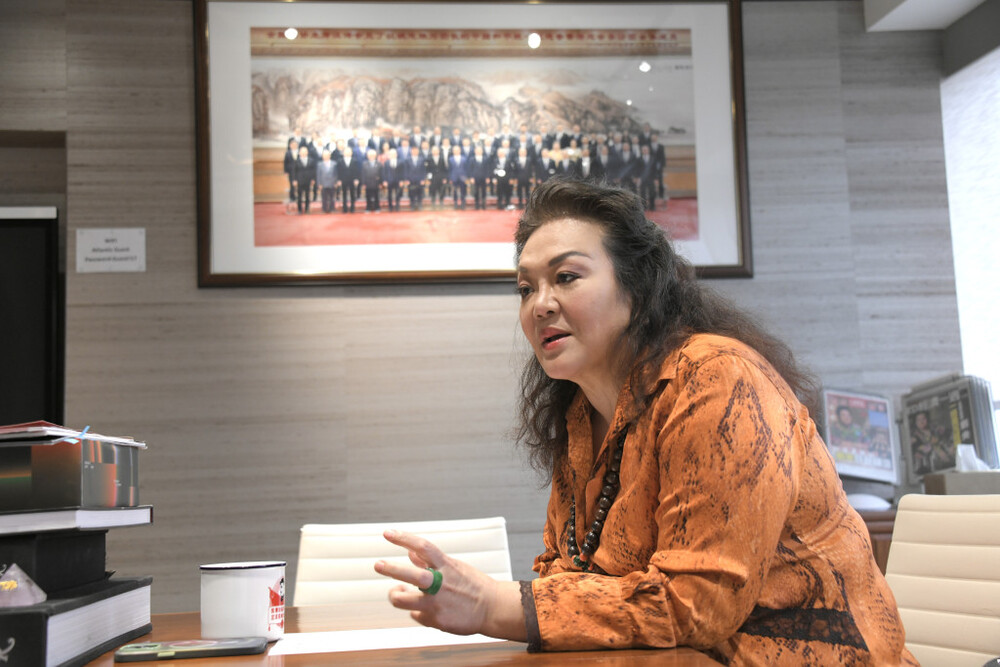
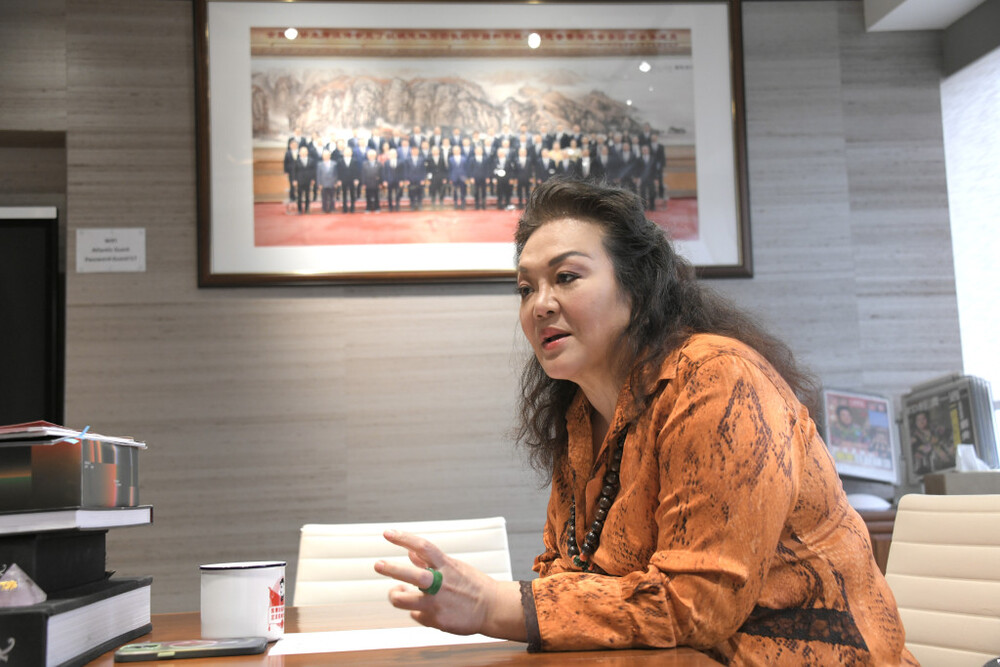
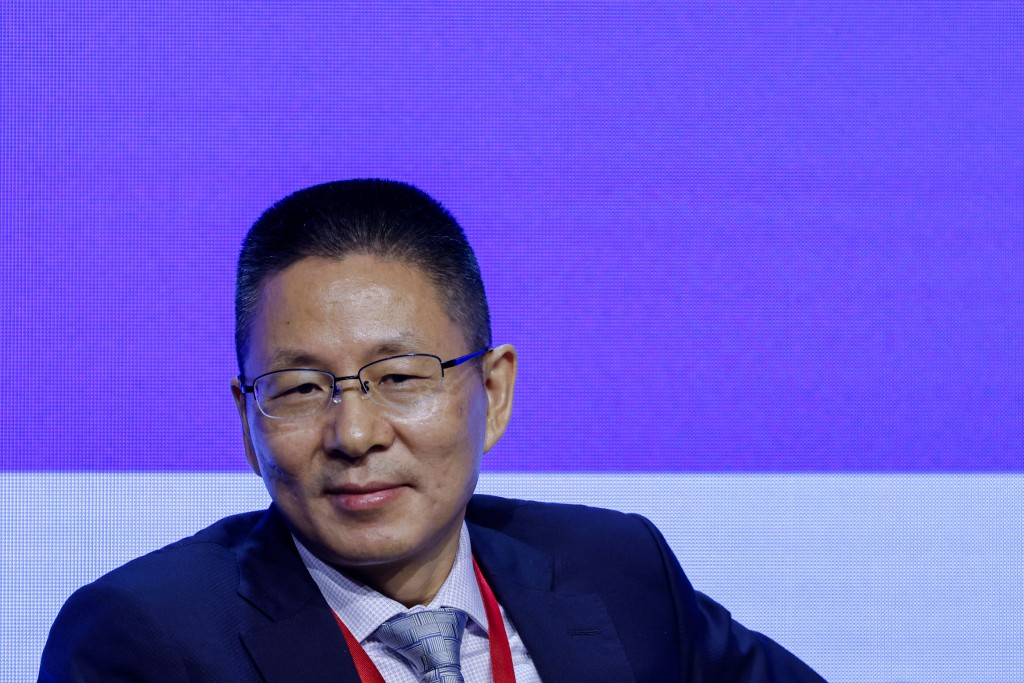
China's “Female Warren Buffett” said Hong Kong’s stock market has now bottomed out and it's worth an investment of one-third of the funds. She also noted a change in her investment strategy to embrace the AI industry over the next decade.
Atlantis Investments chairwoman Liu Yang, who's frequently compared to the legendary US investor for her business acumen, warned in September against bottom fishing in Hong Kong's stock market, saying the worst is yet to come.
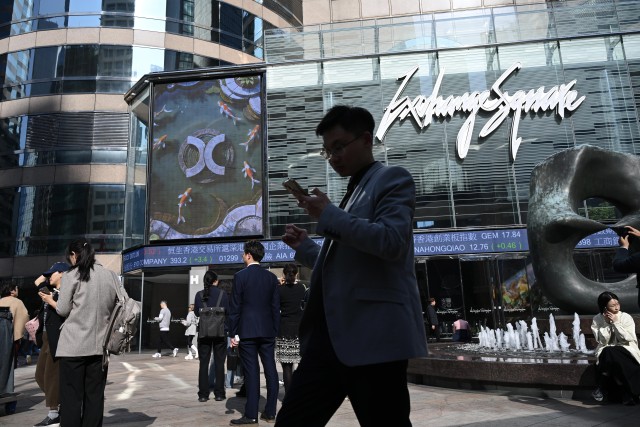
Speaking in an interview with Sing Tao Headline, The Standard’s sister publication, she said stocks in the city are currently seen as having hit rock bottom, presenting a chance to fish for bargains.
However, she emphasized that Hong Kong stocks will not be in bull market condition until 2026 - two main reasons being the heavy blows suffered by the Hong Kong market, which is undergoing a transformation, and concerns that geopolitical tensions may spread to the Asia-Pacific region.
She believes that it's not a time for aggressive options, noting there are still three types of assets to keep an eye on in the next two years.
These include high-quality ETFs, especially those focused on AI, high-quality high-dividend Chinese stocks, and gold.
Meanwhile, Liu said people should steer clear of tech stocks such as Tencent and Alibaba for now, which she said “the e-commerce era has already ended.”
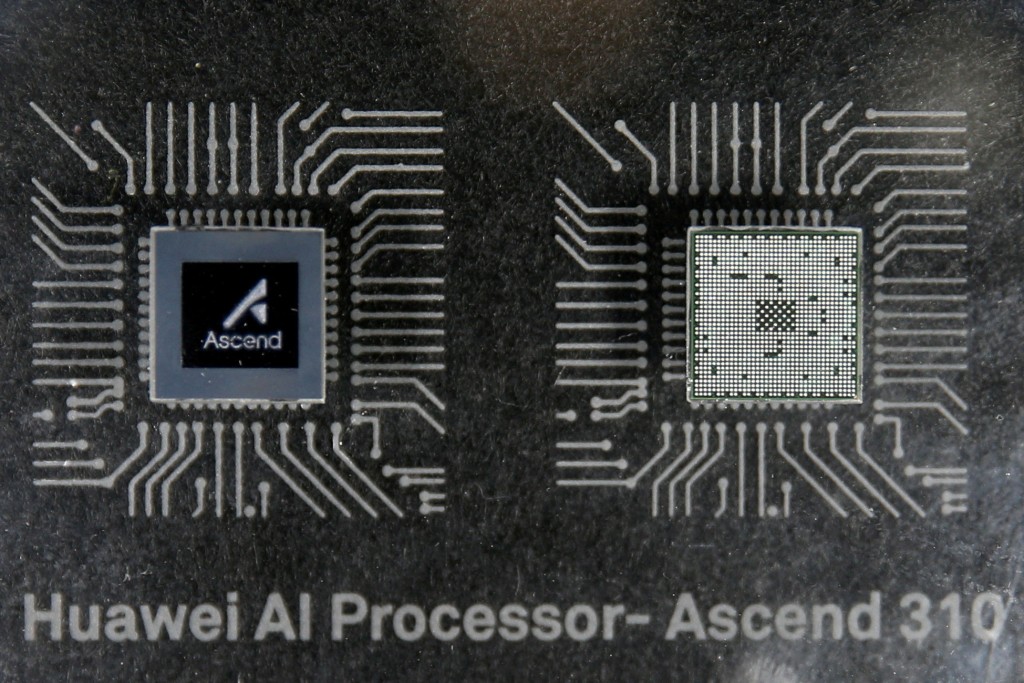
She said she has been adopting the strategy of “trend investing” since September last year, getting on board with the AI and semiconductor trends.
She believes that this trend will completely change all industry chains and can last for a sustainable period of 10 years.
Separately, Liu commented on Hong Kong’s development, saying that the city needs to equip itself to rise back up to Asian prominence.
She suggested pivoting from old policies centered around high property prices and a singular focus on the financial industry, and instead, repositioning itself as a "Hong Kong Silicon Valley" rooted in Asia.
This includes establishing semiconductor fabrication plants in the Northern Metropolis, developing high-tech industries, promoting integration with mainland cities in the Greater Bay Area, and nurturing talent for reform.