Read More





HK braces for natural gas shortage
22 hours ago


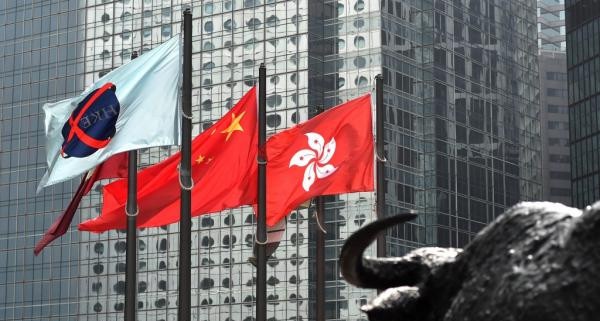
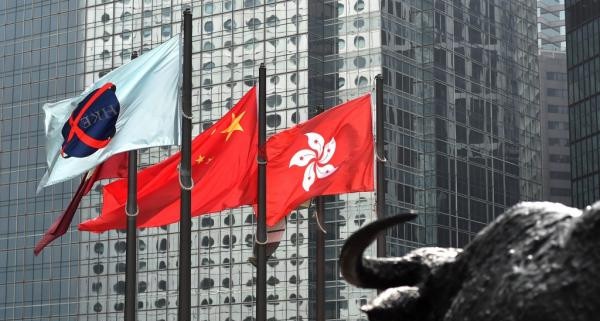
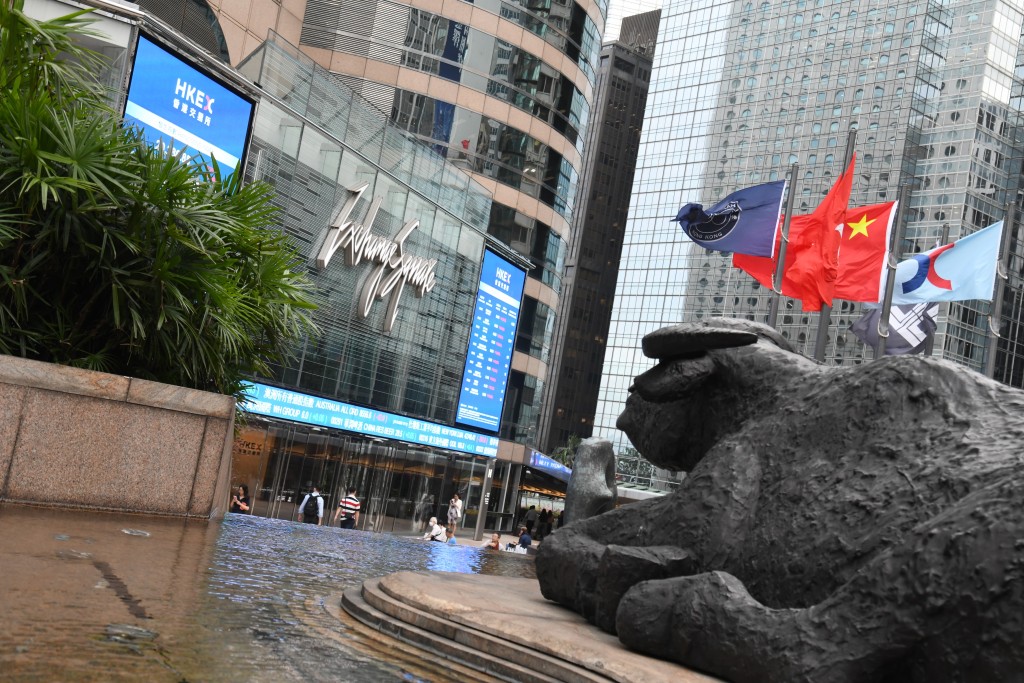
The compiler of the Hang Seng Index defended its decision to create a quota for Hong Kong companies in the latest overhaul, saying maintaining a local presence in the city’s most widely followed stock index will continue to be important.
“We are in Hong Kong and we are talking about the Hong Kong stock market,” Anita Mo, chief executive of Hang Seng Indexes Company said in a Bloomberg Television interview. “In the Hang Seng Index, we need to preserve the elements for Hong Kong.”
The Hang Seng Index will be enlarged to 80 members by mid-2022 from 55 this month. Of those, at least 20 will be Hong Kong companies. Mo, who succeeded two-decade veteran Vincent Kwan at the helm of the index compiler in September, said a company’s “business presence” in the city would help define whether it’s considered a Hong Kong company – such as where it derives the bulk of revenues.
The bourse is being flooded by large-cap mainland Chinese companies, especially from the tech sector, which has made the finance-heavy Hang Seng Index look outdated. The gauge’s historical performance has been lackluster, despite a recent rally, especially against the MSCI China Index. Some US$38 billion is invested in funds that follow the Hang Seng group of indexes.
The Hong Kong presence on the 51-year old gauge has receded over the years, reflecting the growing might of mainland Chinese companies on the bourse.
Swire Pacific, one of the founding members of the index and a British-run firm, was removed in November, while Chinese tech company Meituan was added.
Hong Kong has become the preferred venue for a wave of Chinese megacaps to sell shares, such as Kuaishou Technology, which surged by 161 percent on its debut last month. Under the overhaul, new stocks will need just three months of trading before they are up for inclusion, regardless of market cap. That is down from as many as two years.
Support for the retention of Hong Kong companies was muted. Of the 60 respondents in Hang Seng Indexes’s consultation, 33 said they supported keeping a certain number of Hong Kong companies. Some 16 had no preference, and 11 said they had reservations about the proposal.
Among concerns raised, some questioned whether the move would be unfair to some mainland companies, and that the Hang Seng Index should represent the overall stock market in the city regardless of where a company generates its business, according to the consultation results.