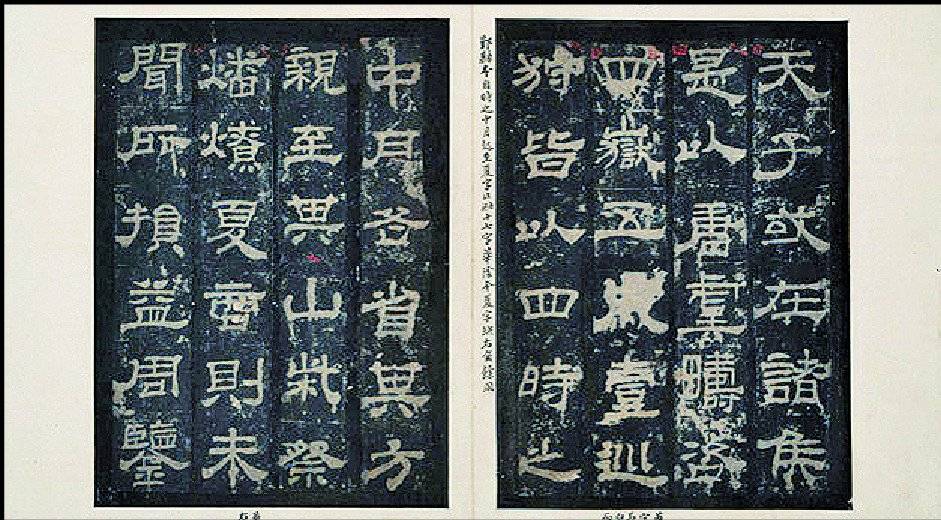
The Chinese University of Hong Kong Art Museum brings the sequel to its Artistic Crosscurrents from Guangdong exhibition series, this time introducing the artistic and cultural history of the region from the late Qing dynasty to Republican China.
ADVERTISEMENT
SCROLL TO CONTINUE WITH CONTENT
The exhibition's Chinese title - yue ze sihai - is the second half of the couplet from its prequel's name. Now spread across two galleries, it will be condensed into one for the second phase next month.
The main exhibition space is divided into three parts and as visitors travel upward from the first floor, they can learn about how the artistic culture in Guangdong flourished and later spread to - as its Chinese title suggests - the four seas (sihai) and China. Curator Peggy Ho explained that the culture existed even before the establishment of Guangdong's largest academy, Xuehaitang, in 1820.
Not a lot of people from Guangdong became government officials, but when the Canton System was established and it became the only trading port for the country, the local economy grew and brought the growth and establishment of various academies (shuyuan).
The scholars in turn brought about the flourishing cultural scene.
This culture was later brought to Hong Kong, especially during the Second Sino-Japanese War, by collectors and scholars such as Ye Gongchuo and Jen Yu-wen with the establishment of the Guangdong Heritage Exhibition to preserve valuable artworks and pieces from the war.
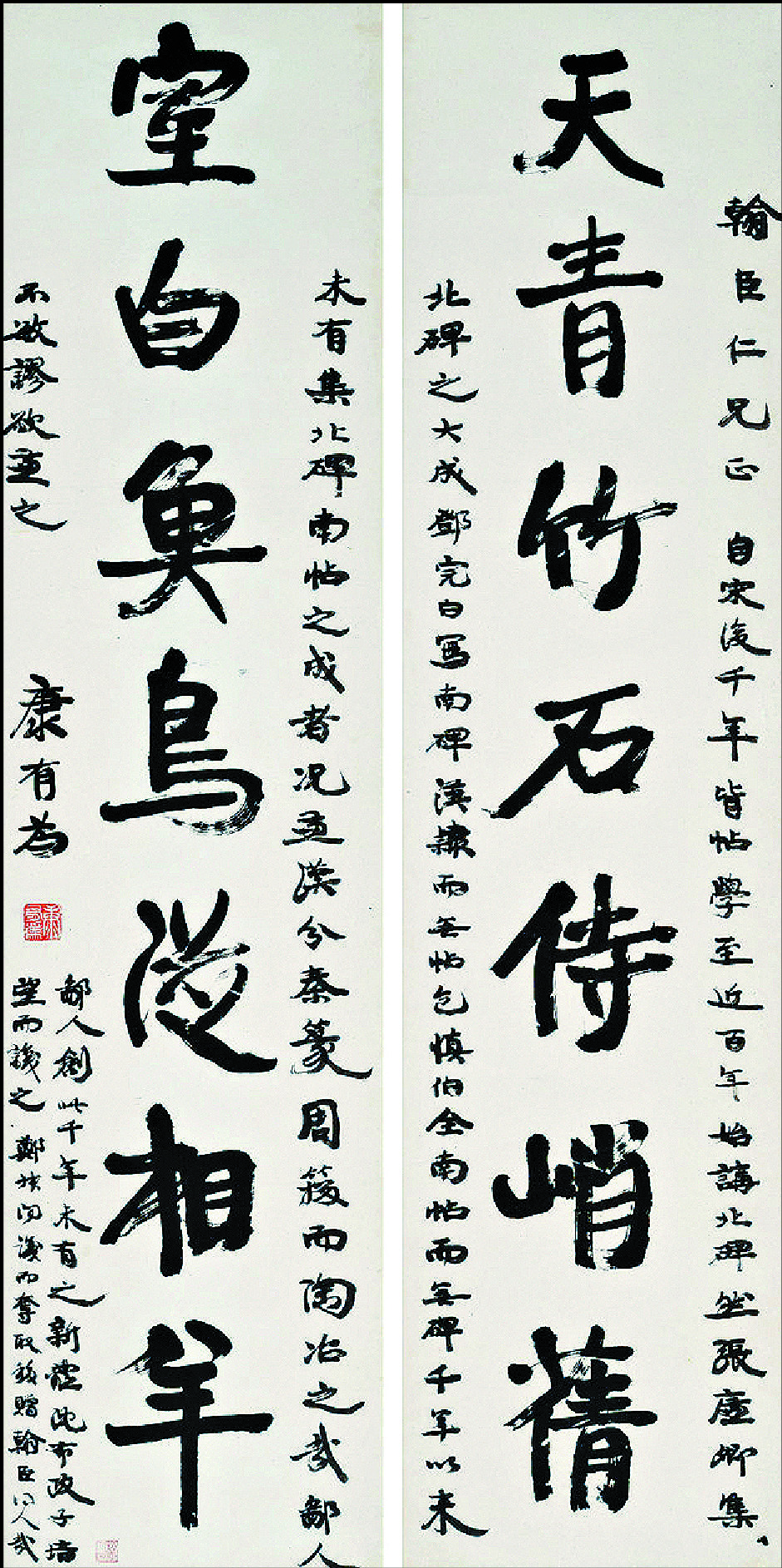
A large part of Jen's collection was later donated to the CUHK Art Museum and can be seen in this exhibition, while one of Ye's running cursive scripts can also be found.
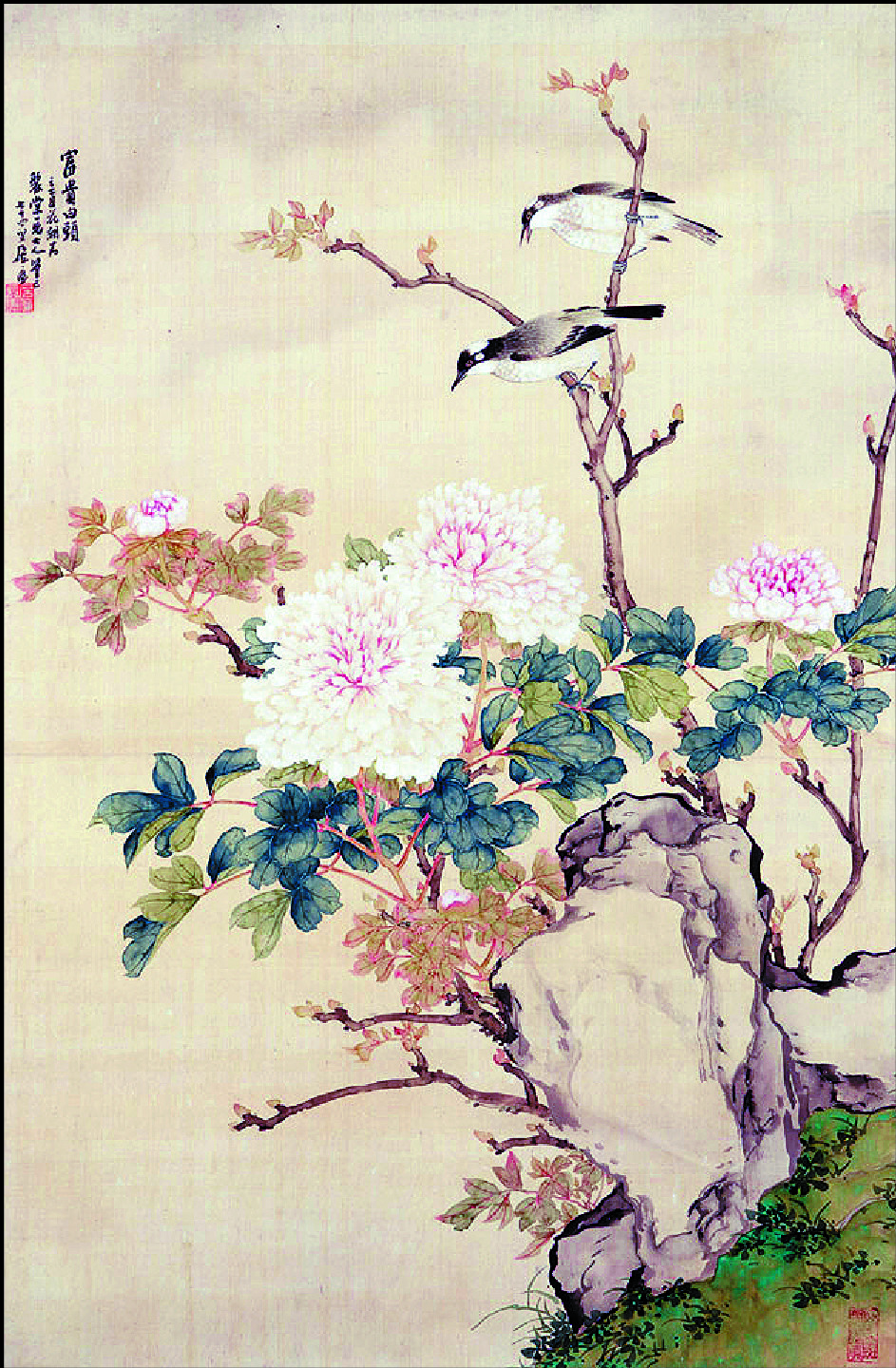
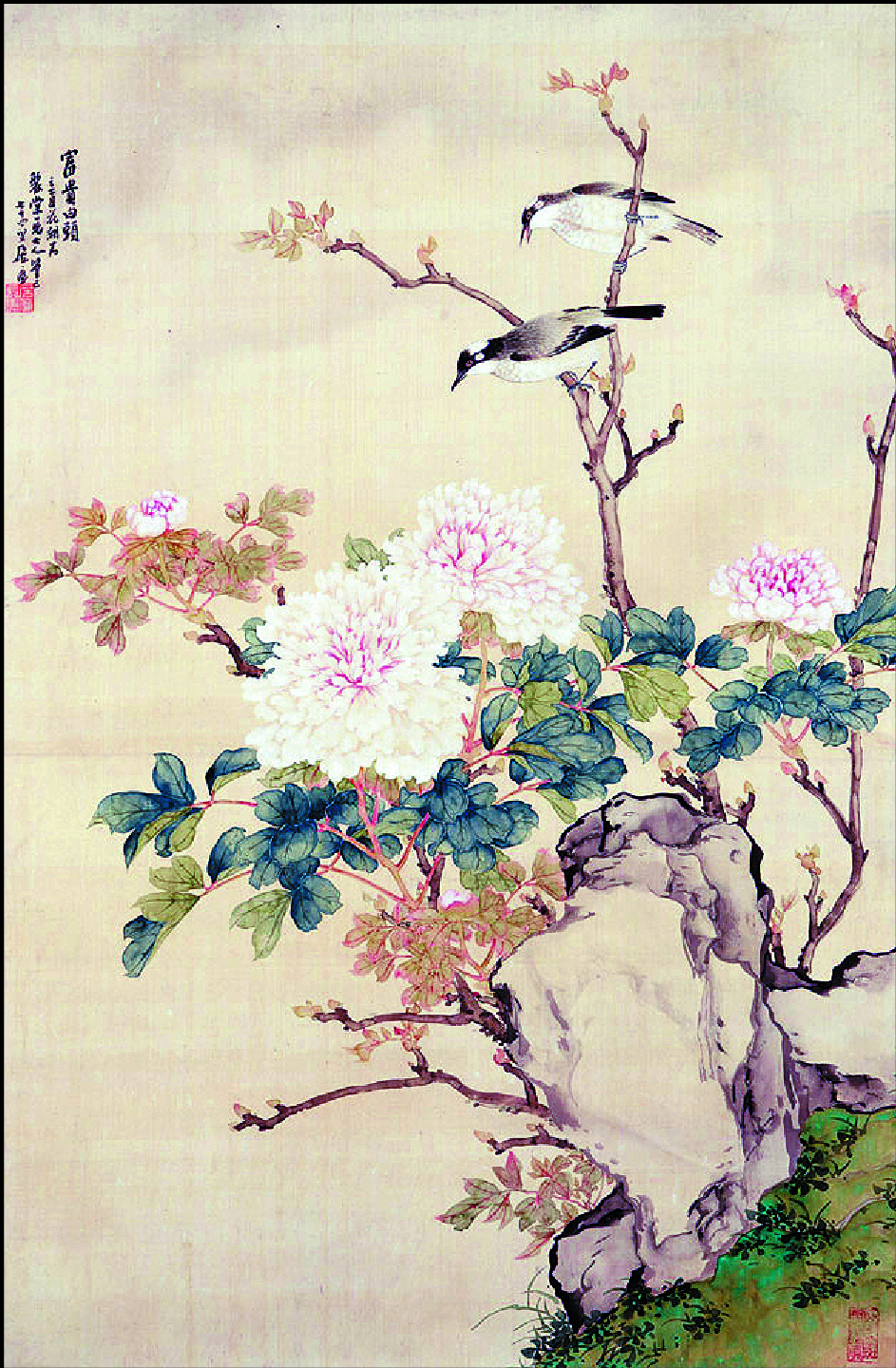
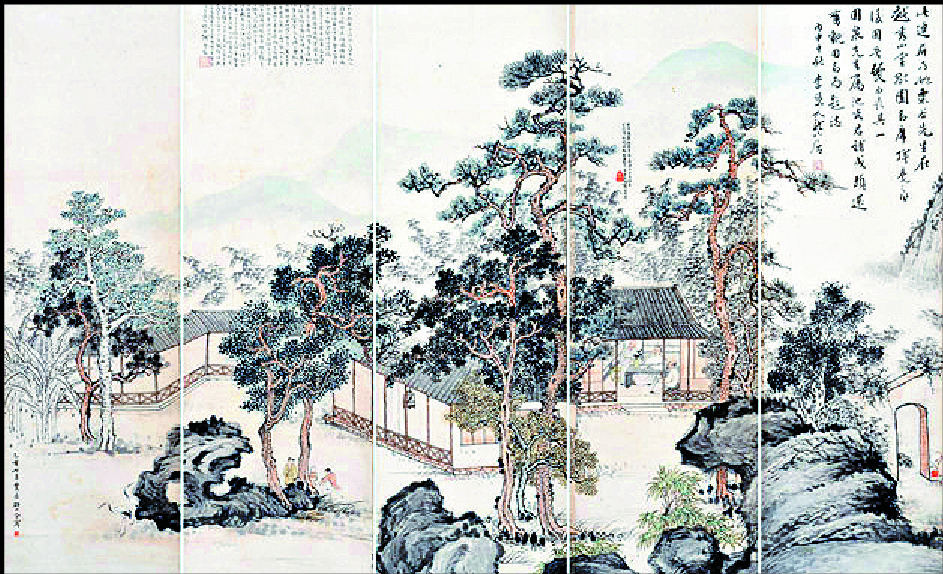
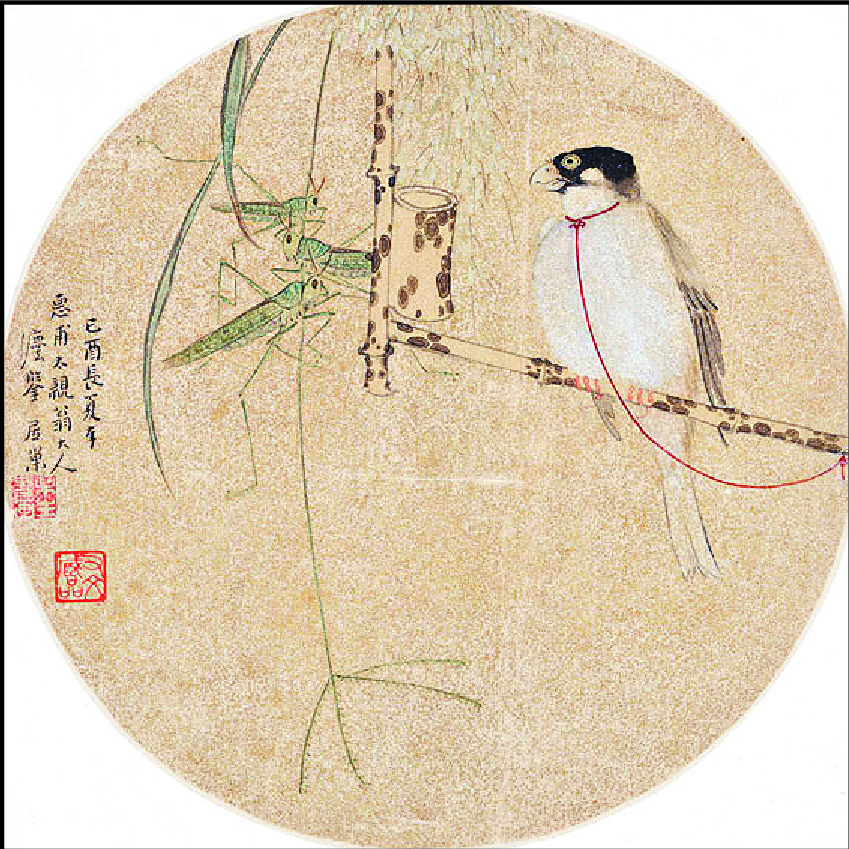
The second and third floors focus on the artistic development of the region from the late Qing dynasty - namely the age-old debate of innovation and reform versus tradition and preservation between the Lingnan School of painting and the Guangdong Painting Research Society.
Representative works from both groups can be found in the exhibition and create a stark comparison when seen together.
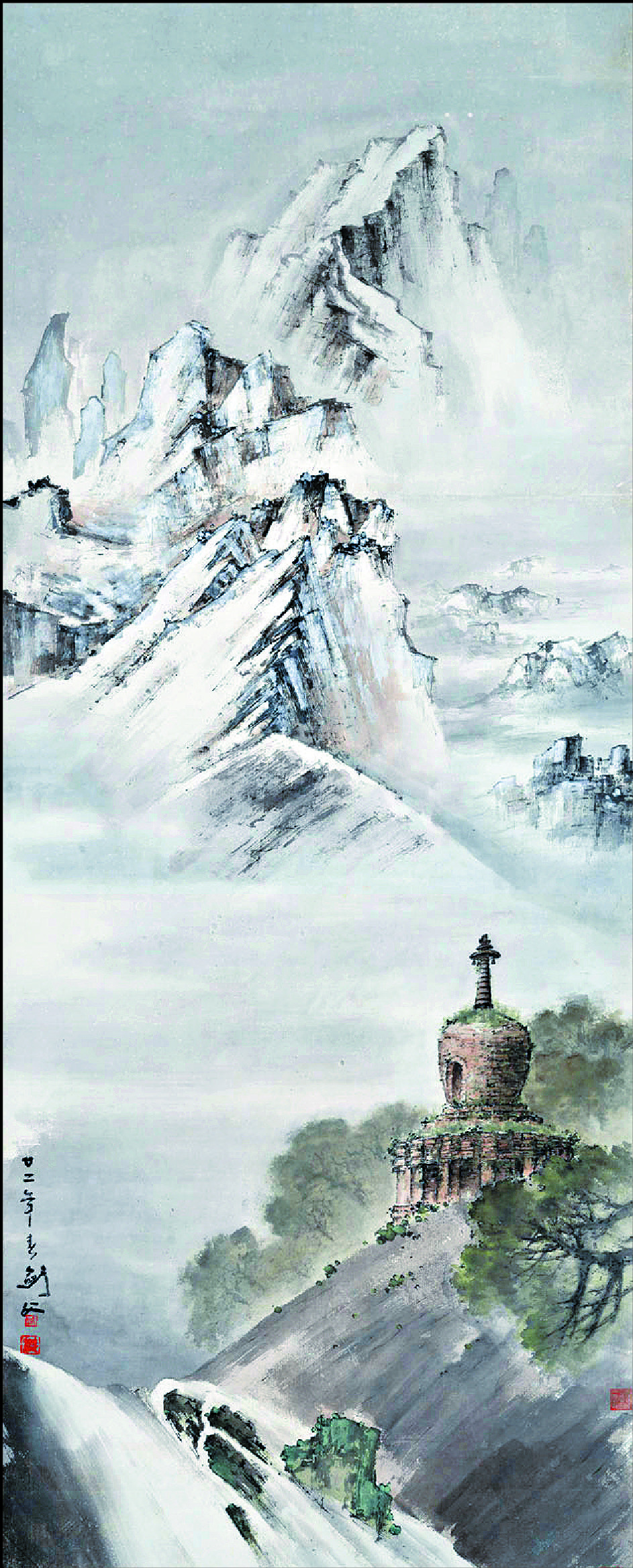
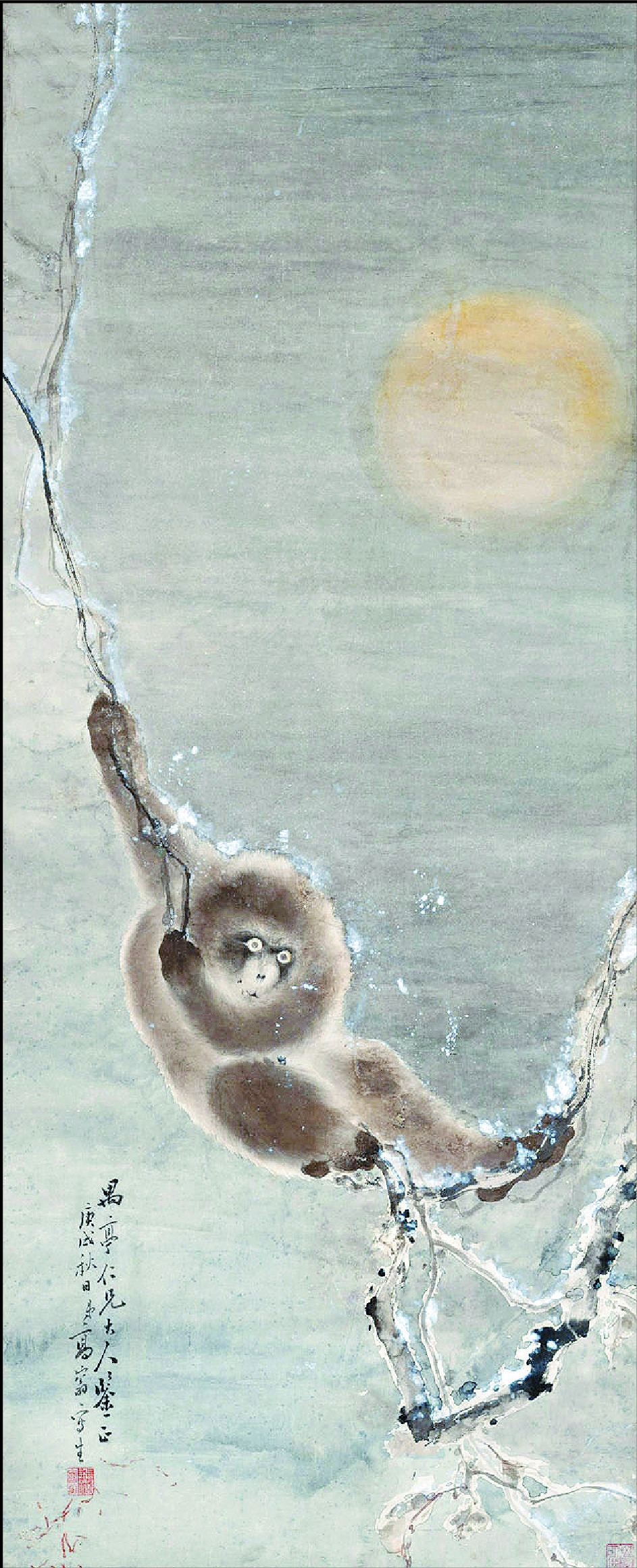
The Lingnan School was influenced by Western and Japanese art while maintaining the techniques of Chinese paintings. On display are works by the Three Greats of Lingnan, who studied in Japan and sought to revolutionize Chinese art.
Gao Qifeng's Owl and Moon strays from the traditional depiction of the night with candles and instead tints the background with ink.
His brother, Gao Jianfu, manipulates shadow and light in The Himalayas - a more realistic depiction that was novel to Chinese art. "You can see the strong contrast when the light hits. It adds to the visual verve and realism," said curator Ho.
Much like its predecessor, the exhibition shows that Guangdong was just as influential as the central regions in contributing to Chinese art and culture. It will run until May 18 at the CUHK Art Museum and a selection will be shown in its second phase next month.