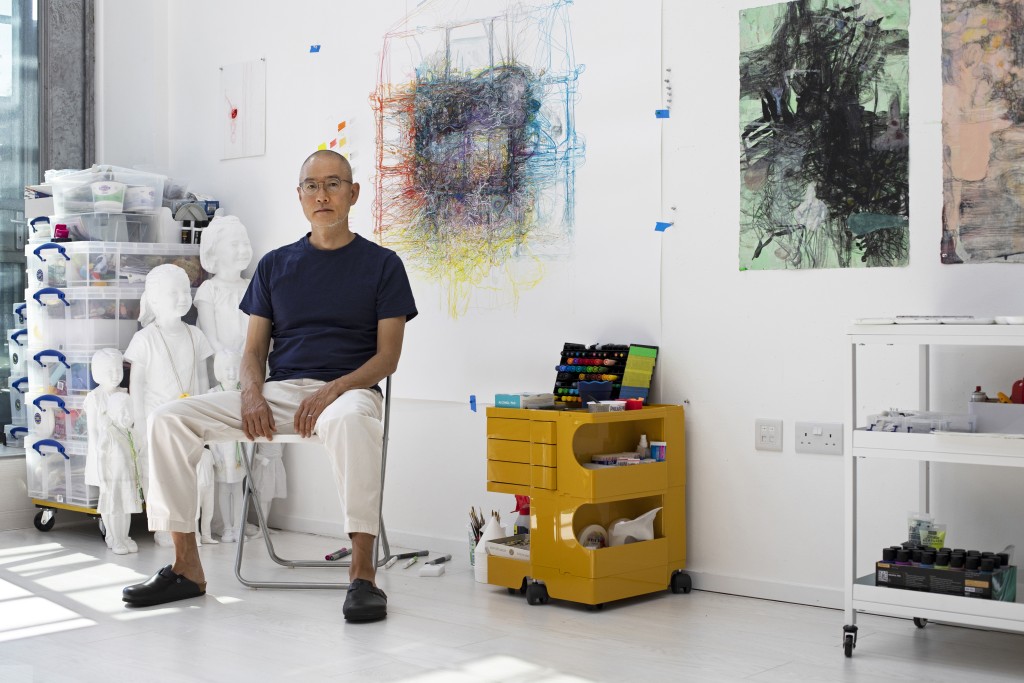
South Korean artist Do Ho Suh, whose exhibition at Tate Modern in London sparked widespread interest last year, will bring his signature fabric architectural installations to Hong Kong next year.
Questions of home, identity and the places people build around themselves will run through M+’s 2027 program, as the Hong Kong museum turns its attention to subjects ranging from the city’s own visual history to contemporary Asian architecture and the diasporic experience of South Korean artist Do Ho Suh.
ADVERTISEMENT
SCROLL TO CONTINUE WITH CONTENT
The West Kowloon museum has unveiled its plans for the coming year alongside the launch of M+ Academy, a professional development initiative for cultural leaders in Asia.
Across the program, local perspectives sit alongside regional and international narratives, reflecting the museum’s continued emphasis on exchanges between Hong Kong, Asia and the wider art world.
Three special exhibitions form the backbone of the 2027 calendar: Hong Kong: Here and Beyond 2027 in March, Landmarks: Architecture in Asia for the 21st Century in June and Do Ho Suh: Belonging in September.
While differing widely in medium and scale, each examines how people understand place — through a city’s evolving cultural identity, the architecture shaping contemporary Asia, or the intimate memory of spaces once called home.
Hong Kong revisited
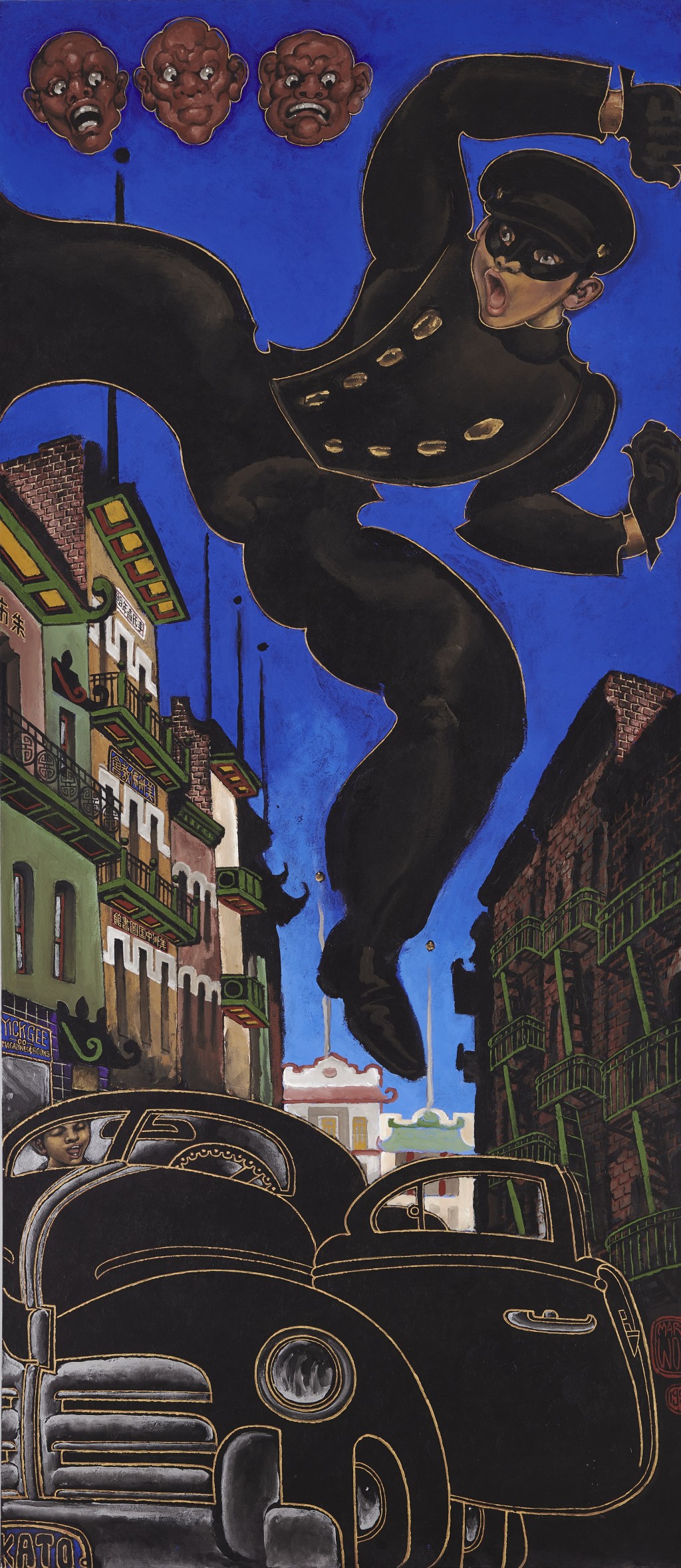
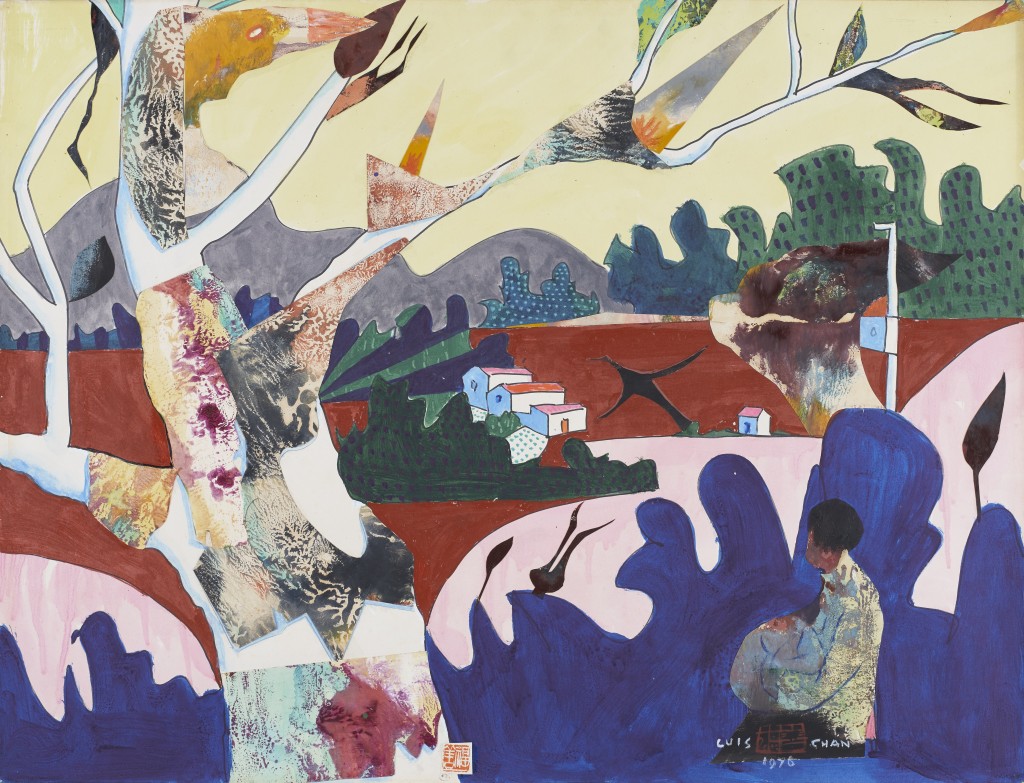
Opening in the Main Hall Gallery in March, Hong Kong: Here and Beyond 2027 returns to a subject central to M+ since its opening.
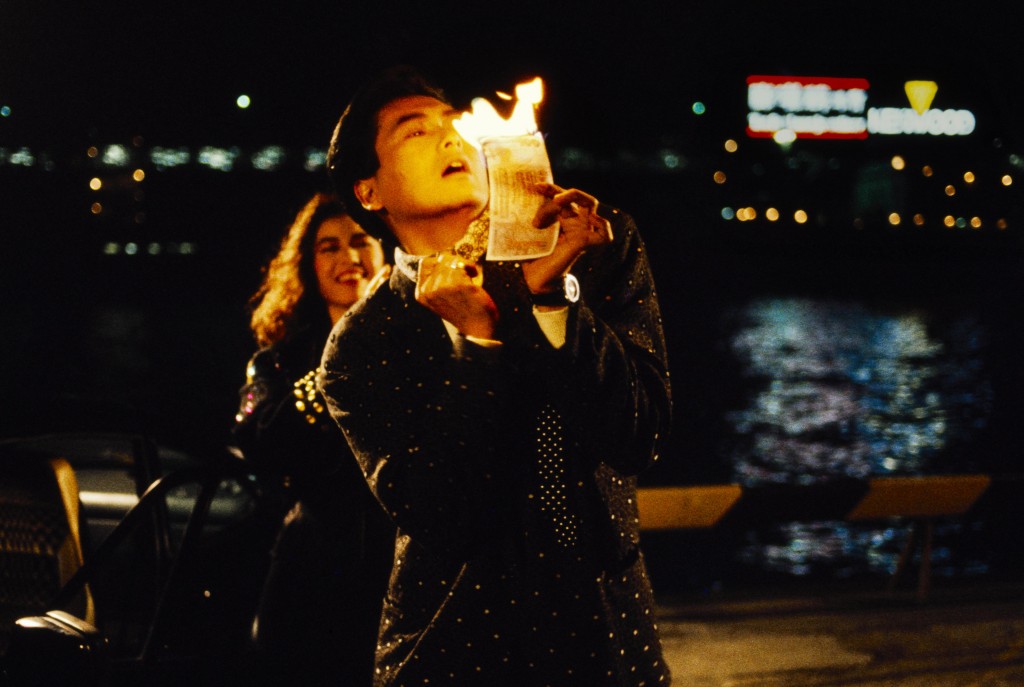
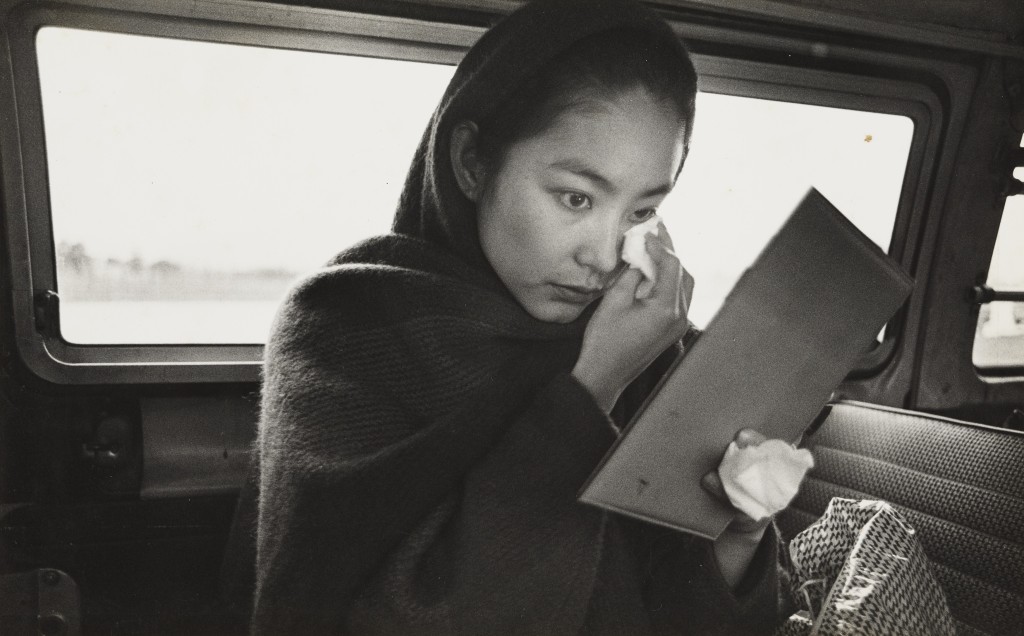
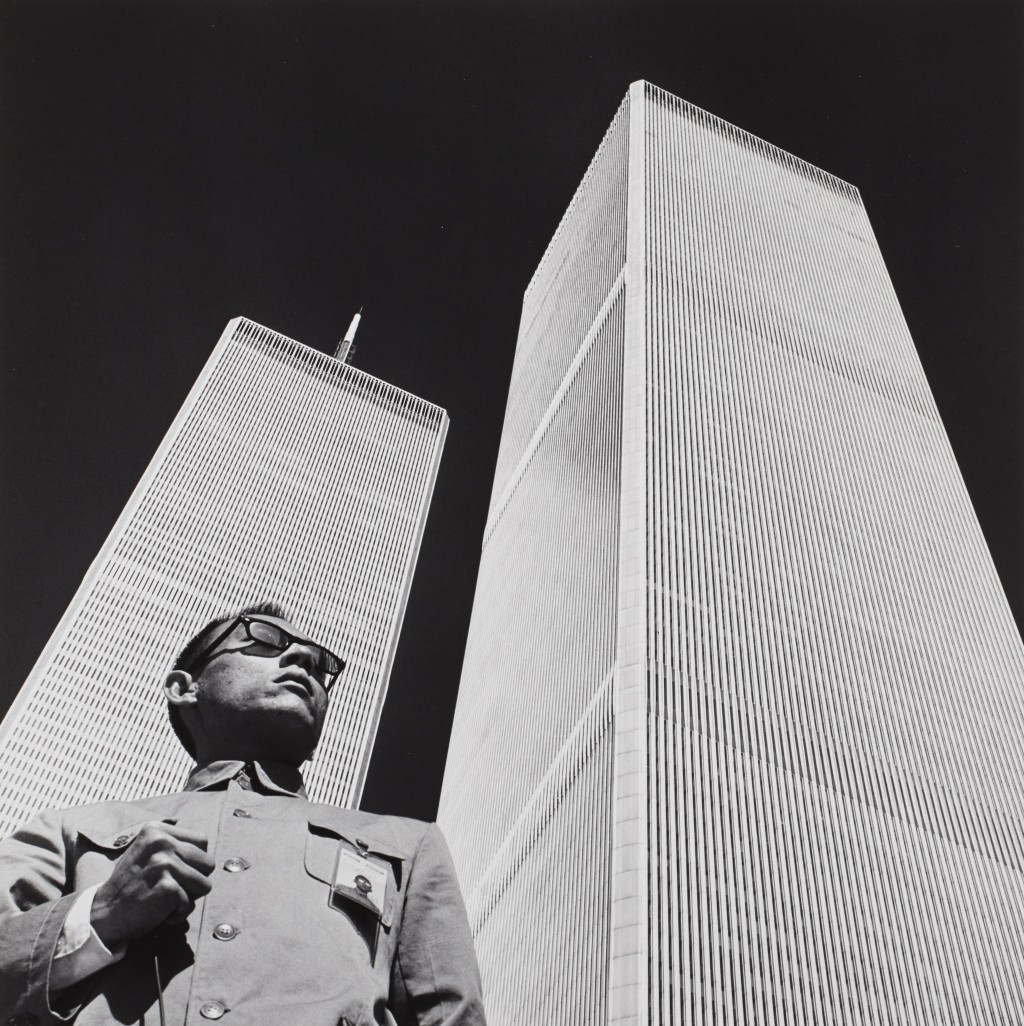
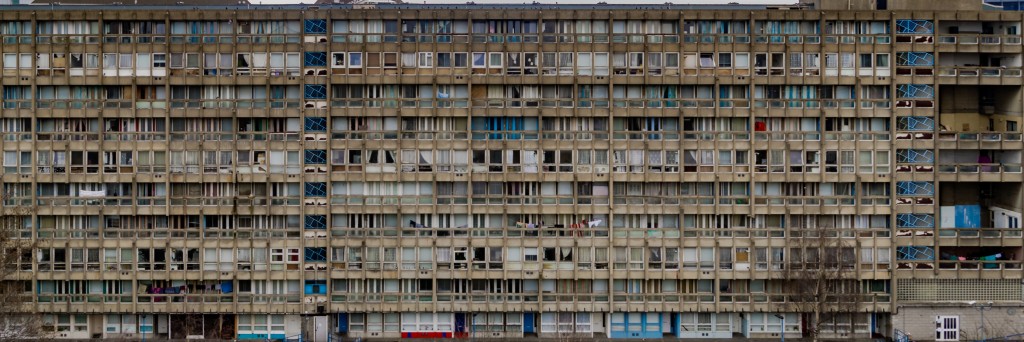
Building on Hong Kong: Here and Beyond, one of the museum’s inaugural displays in 2021, the new exhibition traces the city’s visual culture from the 1970s to the present through the lives and works of more than 50 influential artists and makers. Contemporary art, architecture and moving image will be brought together to revisit both established and lesser-known narratives about Hong Kong.
Rather than examining the city in isolation, the exhibition follows its connections with Beijing, New York, London and elsewhere. In doing so, it presents Hong Kong as an outward-looking place whose cultural identity has long been formed through movement, exchange and sometimes contradiction.
That approach also shifts the exhibition away from a straightforward chronological account. Instead, Hong Kong’s visual culture emerges through relationships — between people and cities, local histories and global influences, and familiar narratives and those that have received less attention.
Rethinking the Asian landmark
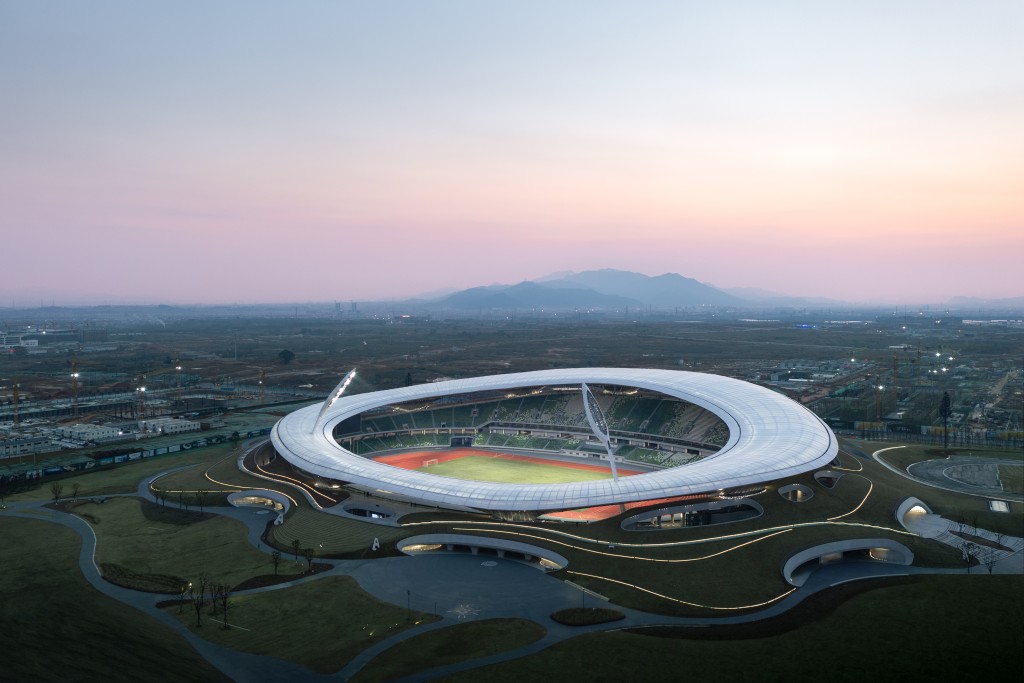
Three months later, M+ will widen its geographic lens with Landmarks: Architecture in Asia for the 21st Century, described as the first exhibition to showcase and reframe 21st-century architecture across Asia.
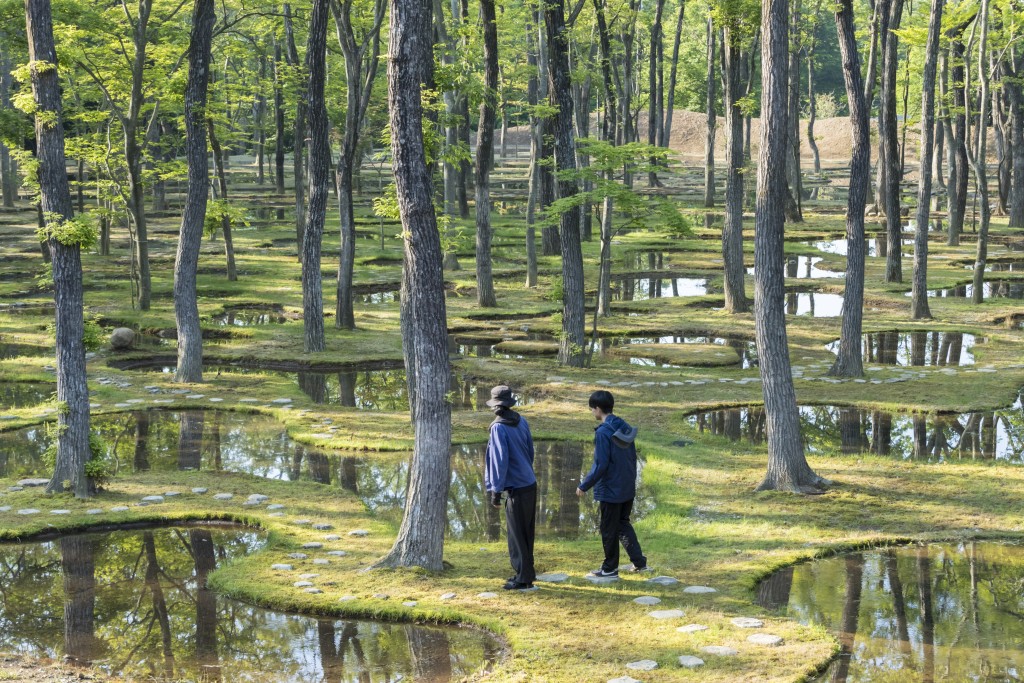
Opening in the West Gallery in June, the exhibition brings together 50 projects built since 2000 across 17 countries. Rather than defining a landmark solely by scale, fame or visual spectacle, the show considers architecture through four themes: Defining Identities, Embracing Nature, Building Communities and Regenerating Heritage.
The selection stretches from prominent buildings in Asian megacities to humanitarian projects in rural areas, allowing the exhibition to consider very different forms of architectural change.
Its wider story is therefore also one of contemporary Asia itself: how rapid urbanization, environmental pressures, community needs and questions of heritage are reshaping the built environment. By placing radically different projects side by side, M+ is seeking to expand the conventional idea of what deserves to be called a landmark.
Do Ho Suh and the architecture of memory
The museum’s autumn centerpiece shifts from public architecture to something much more personal.
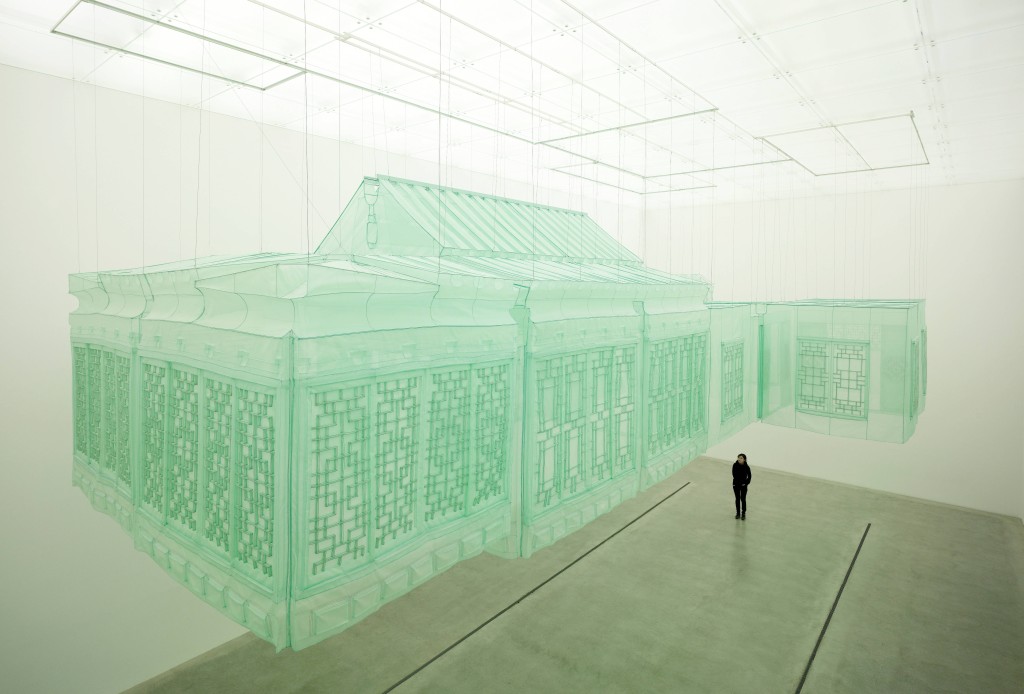
Do Ho Suh: Belonging, opening in the Main Hall Gallery in September, will be the South Korean artist’s first institutional solo exhibition in Greater China. Organized by M+ in partnership with the National Museum of Modern and Contemporary Art, Korea, it surveys three decades of Suh’s practice from the 1990s to the present.
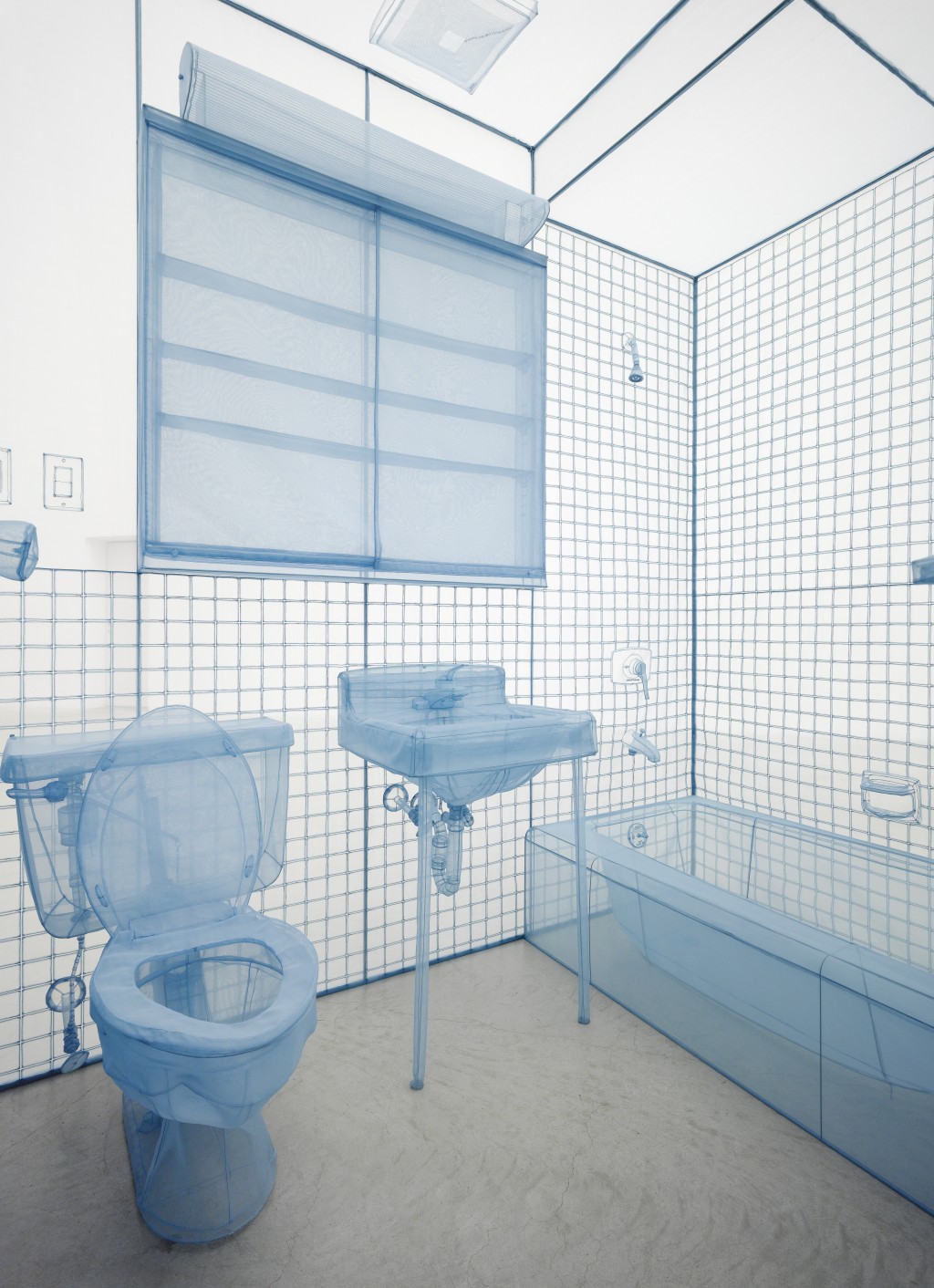
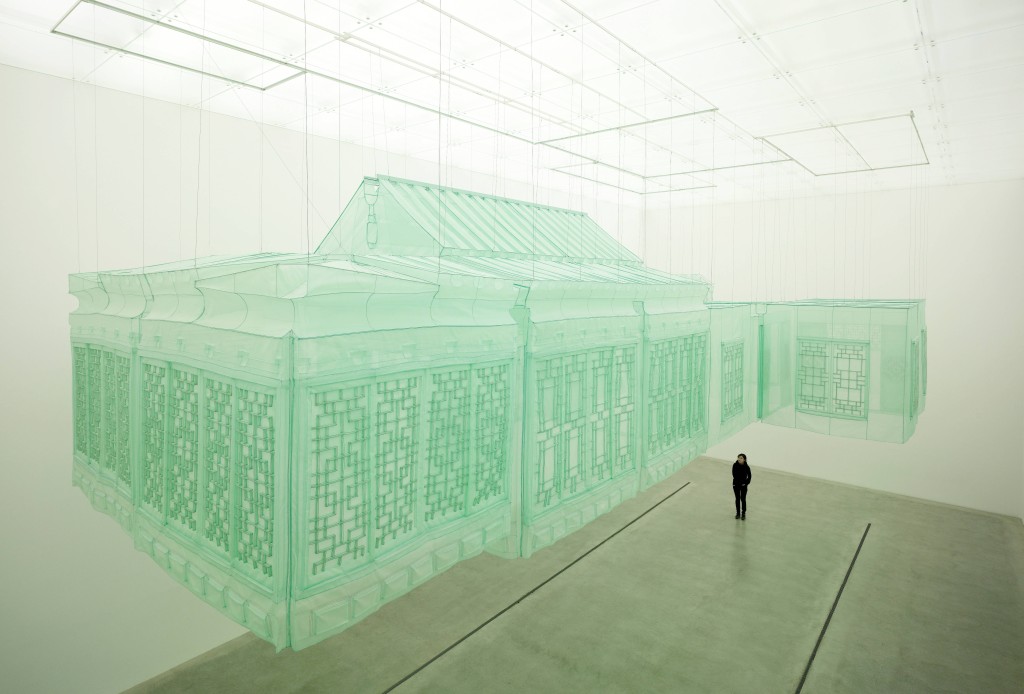
At its center are the fabric architectural installations for which Suh has become widely known: life-size recreations of residences in which he has lived. His experiences moving between Seoul, New York, London and other cities turn domestic architecture into a way of exploring migration, memory and the shifting meaning of home.
+1
Rendered in fabric, these spaces occupy an unusual territory between physical structure and recollection. A doorway, corridor or room can be meticulously recreated, yet remain translucent and seemingly fragile — architecture transformed into something closer to memory.
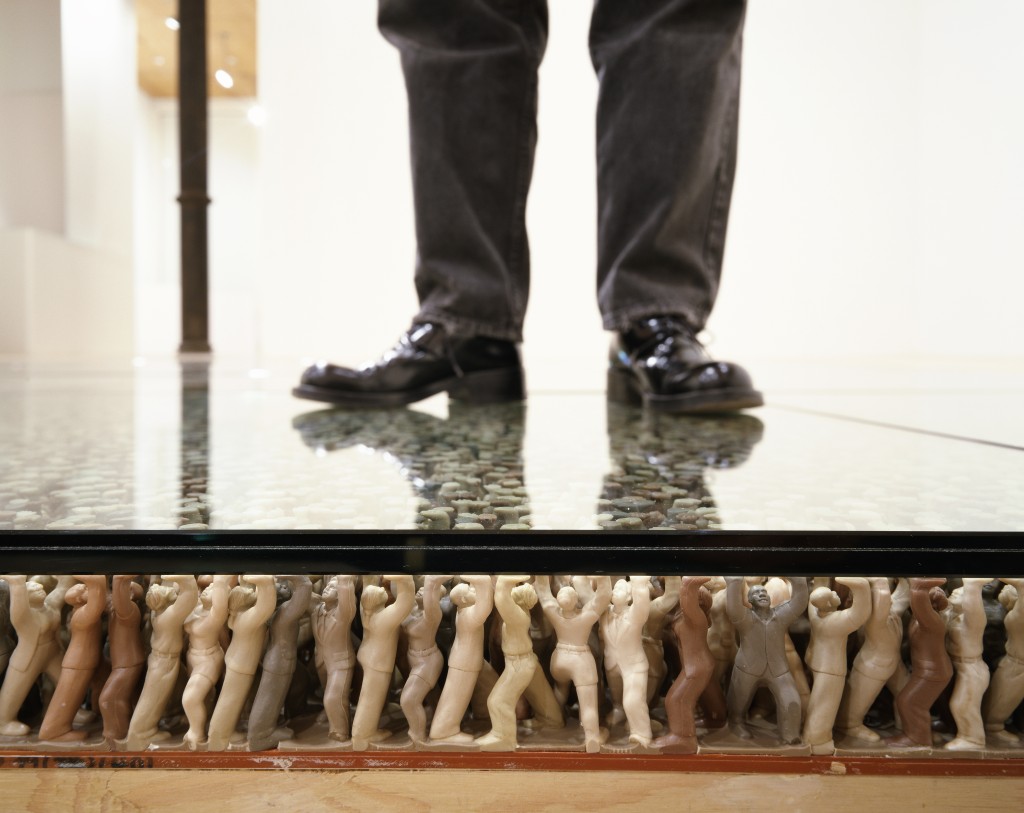
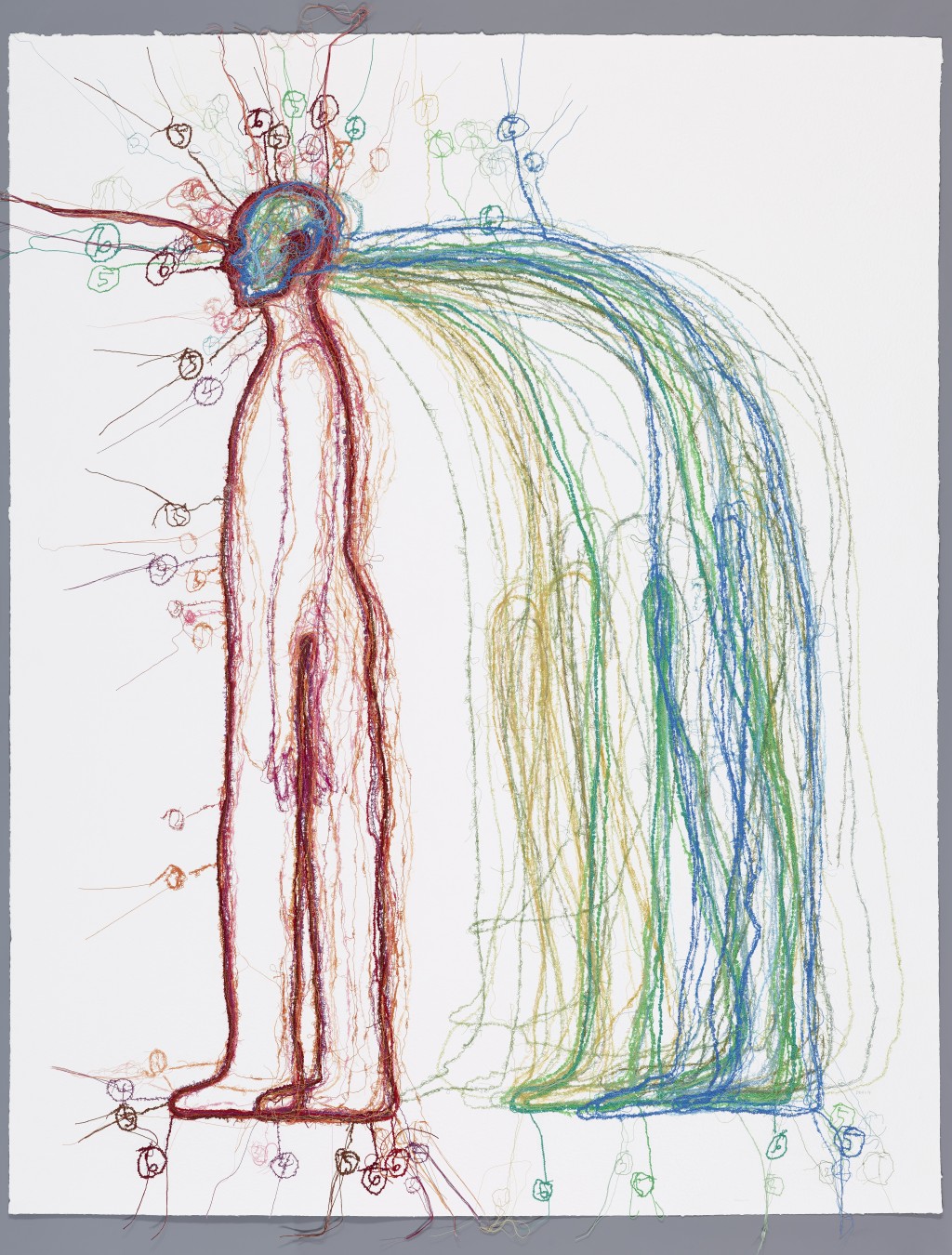
The exhibition will extend beyond those installations to include Suh’s earlier investigations into the relationship between individuals and the collective, experimental thread drawings and cyanotypes, as well as recent speculative projects and video works. Together they trace his continuing interest in boundaries, displacement and belonging.
More voices across the galleries
Beyond the three special exhibitions, M+ will stage a broader series of presentations throughout 2027.
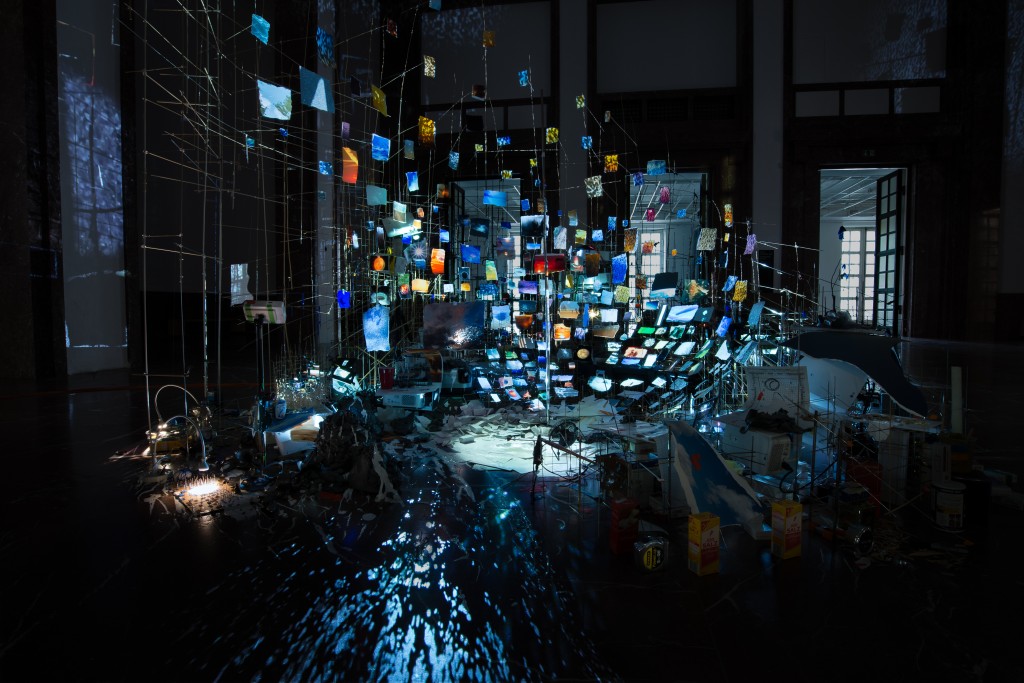
Sarah Sze’s Centrifuge, an intricate installation combining found and fabricated objects with analog and digital technologies, opens in February, accompanied by a newly commissioned work for the M+ Facade. The same month will see LuYang: DOKU—Māyā Field, extending the Chinese artist’s exploration of digital identity, Buddhist cosmology, gaming and simulated worlds.
Sarah Sze's Centrifuge.
Architecture returns in June with Geoffrey Bawa: Architecture for the Senses, examining the work of the influential Sri Lankan architect through drawings, models, furniture, archival material and a previously unseen documentary. Sound artist Tarek Atoui will meanwhile bring together instruments and research developed through his engagement with sonic, agricultural and craft traditions across East and Southeast Asia.
Later in the year, M+ Sigg Collection: City Lives will trace changes in Chinese contemporary art from the 1970s to the 2010s, followed in October by the fourth Sigg Prize exhibition, presenting six artists selected by an international jury.
The facade becomes a moving canvas
M+’s moving image program will also extend beyond its galleries.
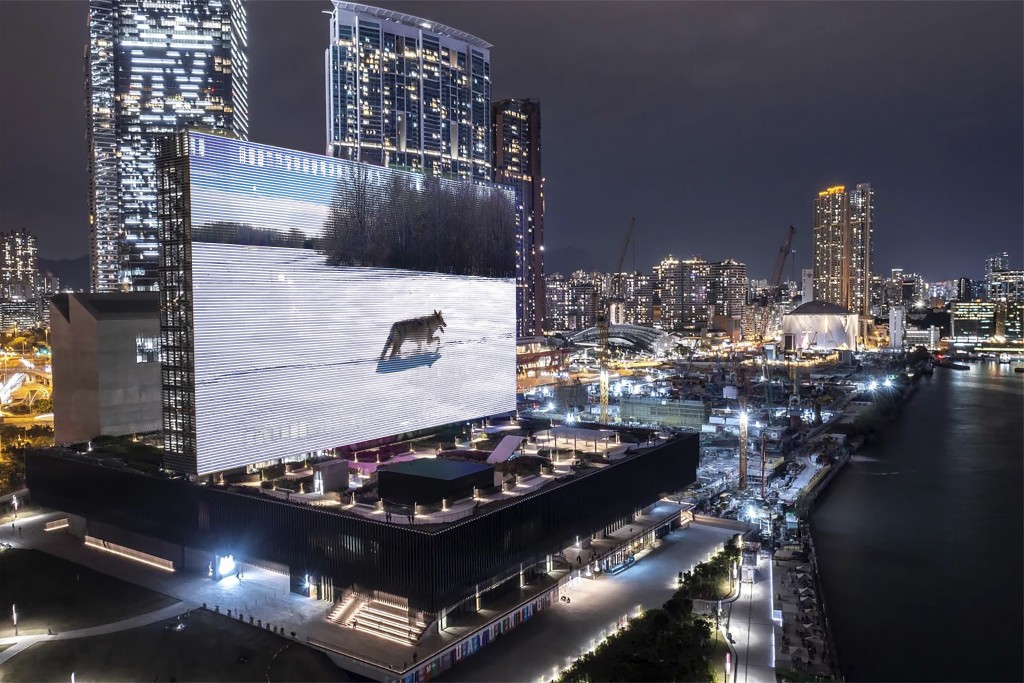
New facade commissions in 2027 will include works by Sarah Sze, Hong Kong filmmaker Fruit Chan and Greek artist Theo Triantafyllidis, alongside the museum’s sixth consecutive collaboration with Art Basel. Chan’s summer commission will feature young Cantonese opera students moving through recreated scenes inspired by Hong Kong’s streets, while Triantafyllidis’ Funny Weather will use real-time atmospheric data to generate a changing digital portrait of the climate.
M+ is also taking part of that program abroad. Works drawn from 15 previous M+ Facade commissions will be shown at the rooftop Belvedere of Centre Pompidou Francilien’s new outpost in Massy, France.
Its moving image work will expand in other directions too. A new cycle of M+ Restored titles is planned for 2027 following the international circulation of restored Hong Kong New Wave films, while works from the Asian Avant-Garde Film Collection have begun touring festivals, archives and cultural institutions internationally.
Building the next generation of cultural leaders
Alongside the exhibitions, M+ is extending its role from presenting culture to developing the people who lead cultural institutions.
Launching in autumn 2026, M+ Academy is designed as an Asia-focused professional development program responding to the region’s expanding museum sector. It will offer three tracks: one for current or incoming directors, another for mid-career professionals, and a bespoke program tailored to institutional needs.
The first Leaders Track will run from November 9 to 13 this year, followed by the first Rising Track in May 2027.
Taken together, the 2027 program suggests a museum looking simultaneously inward and outward: reconsidering Hong Kong’s cultural history, mapping the forces transforming architecture across Asia and bringing a major international artist’s meditation on home and displacement to Greater China for the first time.
Across those different scales — a room remembered by Do Ho Suh, a building reshaping an Asian community, or Hong Kong itself as a continually evolving cultural landscape — place becomes less a fixed location than something constructed through memory, movement and exchange.