How can women end a war started by men in a male-dominated world? In the ancient Greek comedy Lysistrata, the titular heroine answers: "By starting a sex strike." From March 27 to 29 at the Hong Kong Arts Festival, a Chinese adaptation of the play will be performed on stage, setting sexual politics and war against a new, contemporary background.
Written by the "Father of Comedy" Aristophanes, the original Lysistrata tells the riotous story of women standing up to bloodshed and the patriarchy in the most absurd yet brilliant way: refusing sex. The story is set in 431 BC, when the Greek city-states Athens and Sparta ignited the Peloponnesian War.
Frustrated by the man-made horrors of war, the Athenian Lysistrata convinces women from the warring cities to withhold sexual privileges from their husbands until the two sides sign a peace treaty. Under her instigation, women further seized control of the Acropolis of Athens.
Pained by the denial of sex, male delegates from the two cities finally meet at the Acropolis and negotiate land rights, concluding the war. Lysistrata's stroke of genius has not only restored peace, but also demonstrated the vast potential of womanhood.
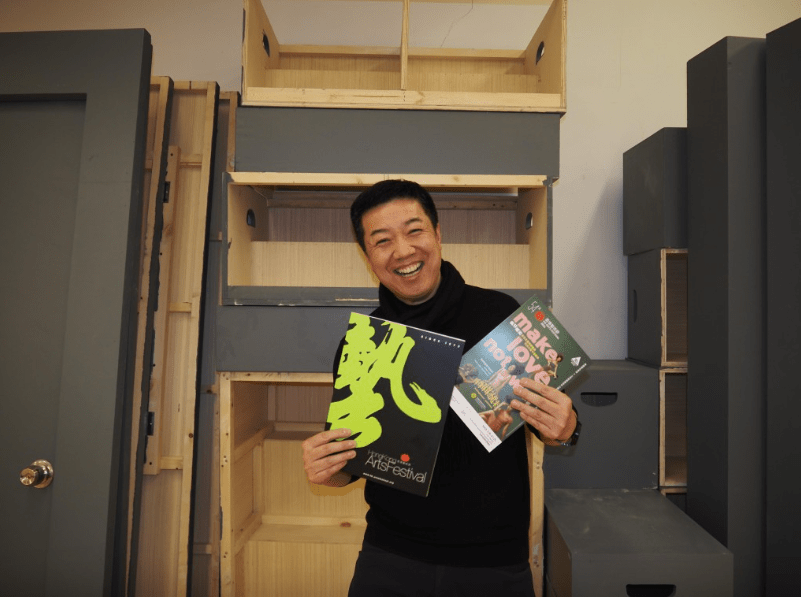
Nick Yu recalls that in adapting the script, various Chinese and Western, ancient and contemporary issues come into play.
As the play's Chinese adaptor Nick Yu Rongjun said, "the female characters used the most private means to resolve the most public crisis." Largely excluded from the public sphere, these fictional women of ancient Greece have yet displayed how the disenfranchised could – and should – be a powerful shaping force of society.
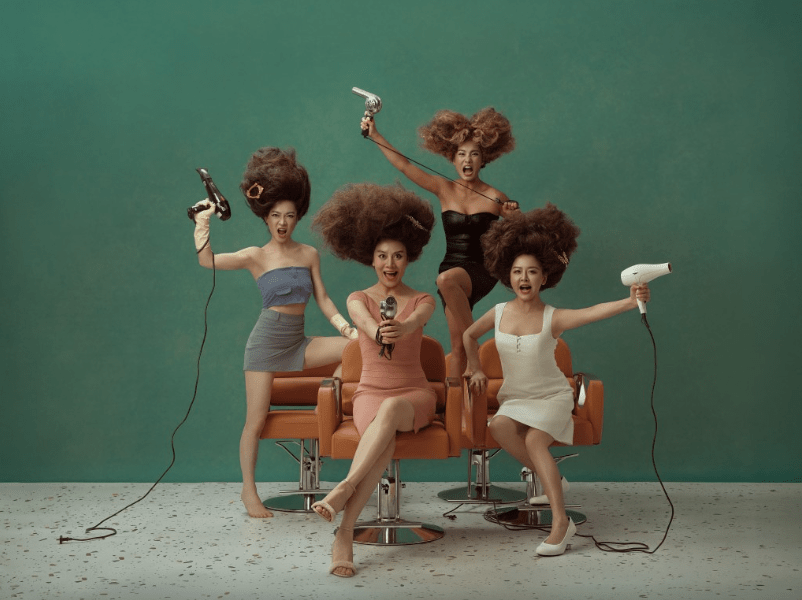
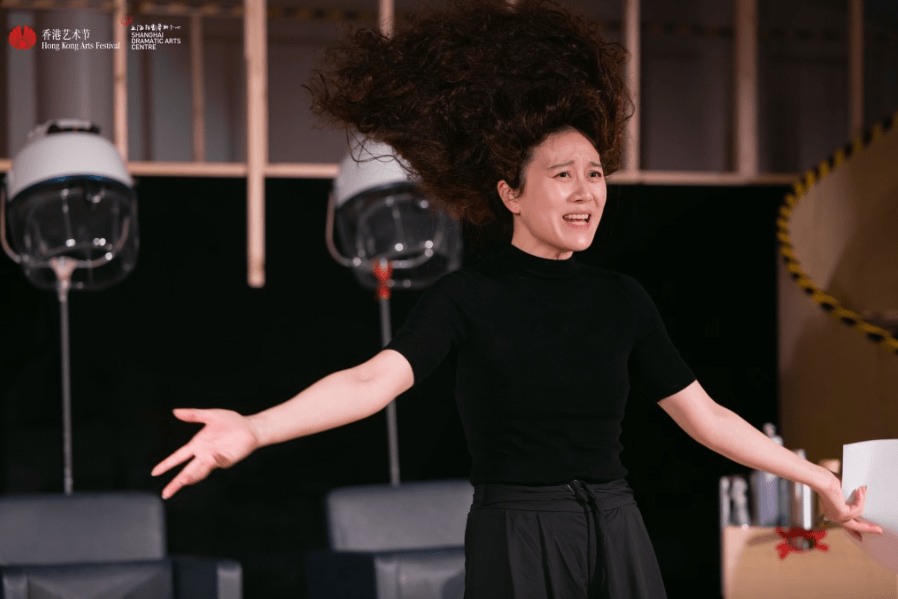
In this Chinese adaptation, the story takes place in a Shanghai salon, with all female characters sporting puffy Afro hairstyles. Even the lead actress Xie Chengying, who has over 20 years of acting experience, admitted to feeling apprehensive about wearing such a flamboyant look on stage.
According to the play's director Katerina Evangelatos, this extravagant, humorous style is intentional. "It is both a stereotypical projection of women's 'hysteria' and 'preoccupation with looks' under the male gaze, as well as a symbol of women's vitality in turbulent times – refusing to succumb to despair, upholding aesthetics, and supporting one another."
Lead actress Xie Chengying sports a flamboyant Afro hairstyle in the play. ZHI ZHI ZAI GE WU
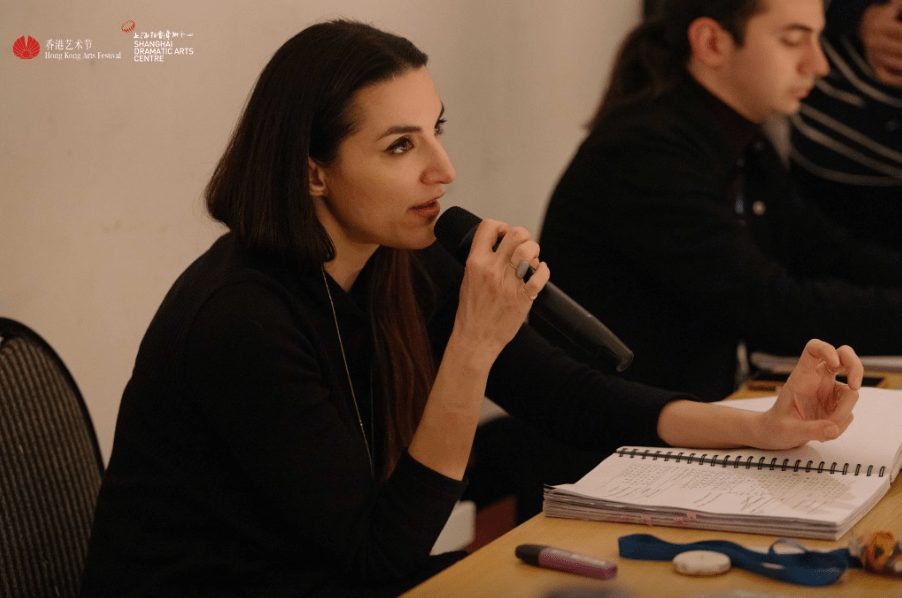
Director Katerina Evangelatos adopts an absurdist style to reflect the extreme realities of today's world, prompting reflection on gender issues and wars. ZHI ZHI ZAI GE WU
Besides unconventional hairstyles, another obvious feature of the play is expected to raise a few eyebrows among an Asian audience: the topic of sex. Despite being an open society, Hong Kong remains somewhat conservative on this subject compared to the West. It is therefore the aim of the play's creative team to break the social taboos surrounding sex – an issue that extends from the bedroom to larger social affairs.
Albeit written over two millennia ago, Lysistrata speaks to the realities of today's world. As wars and conflict continue to ravage different corners of the globe, and women in many places continue to suffer discrimination, this adapted play – with a Chinese title that translates to "Stand Up, Sisters" – is a timely anti-war, pro-female-empowerment work of art, reminding us that change is often achieved by collective action: with all of us, men or women, in the sisterhood standing up to the world's injustices.