Read More







UK denies BN(O) visas to Hongkongers with protest convictions: report
23-09-2026 18:59 HKT



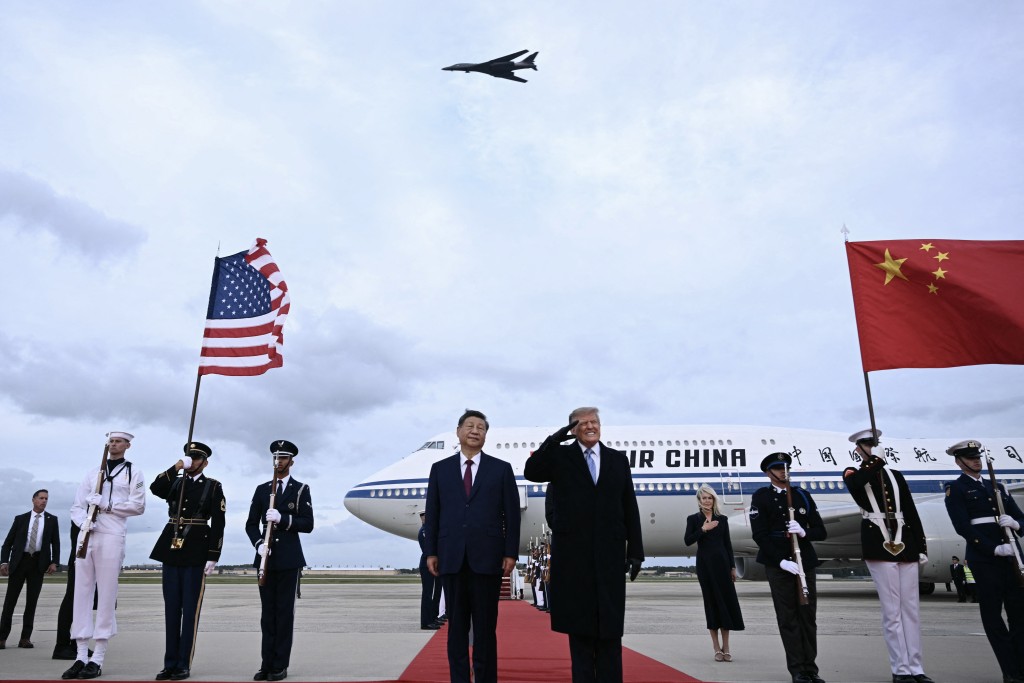
US and Japanese government officials and company officials met to discuss supply bottlenecks affecting access to Chinese yttrium, a rare earth metal vital to aerospace and chipmaking, two weeks before President Donald Trump's summit with Chinese President Xi Jinping, a document seen by Reuters shows.
The meeting, convened by the Trump administration on September 10, provided "an opportunity for candid discussion of current and emerging strategic supply chain bottlenecks with a specific focus on permanent magnet and yttrium supply chains," according to an emailed invitation seen by Reuters and not previously reported.
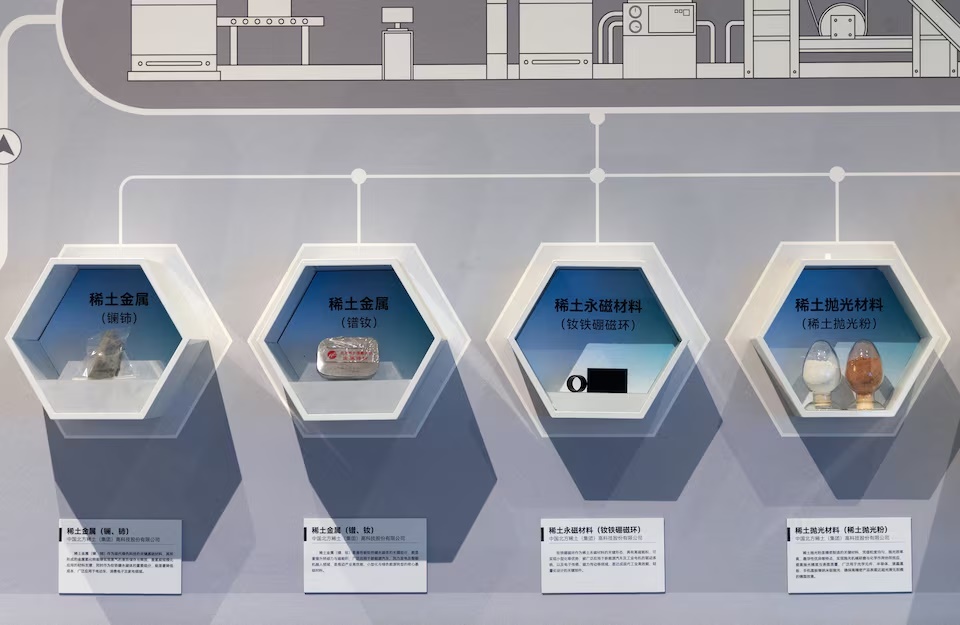
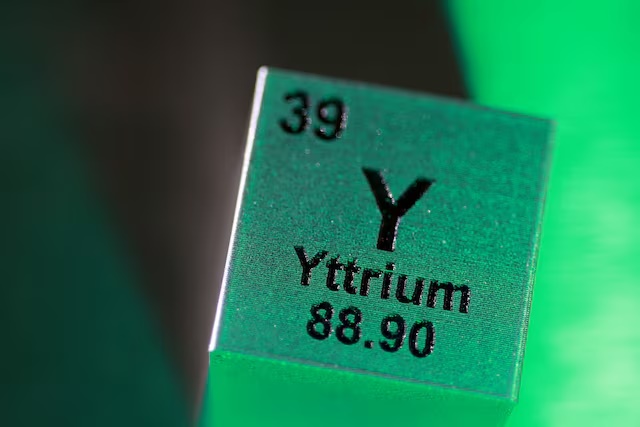
Yttrium is a silvery rare earth metal with no easy substitute. Used in heat-resistant coatings that protect jet engine turbine blades, power plant components and semiconductor manufacturing tools, it has become a flashpoint in the US-China trade war as Beijing's export controls have disrupted aerospace, energy and defense supply chains.
The "senior level" discussions, hosted by the US Department of Energy and involving Japan's Ministry of Economy, Trade and Industry, sought to "identify opportunities for US-Japan collaboration to strengthen supply chain resilience."
While Reuters could not learn the outcome of the event, coming just two weeks before the presidential summit, it signals how critical the yttrium shortage has become for US and Japanese companies, experts said.
"The timing underscores that there have been yttrium flow problems this year," said Emily Benson, head of strategy at the advisory firm Minerva Technology Futures, who said such meetings are common but that the administration is focused on the rare earths cut off by China with military applications.
The Energy Department did not comment on the meeting but said it welcomes Japan's partnership and encourages companies in both countries to "launch critical minerals projects as part of broader efforts to diversify supply chains and strengthen long-term global energy security.”
The Chinese Embassy said Beijing's rare earth export controls are legal and "in line with international practice," adding that China remains "committed to maintaining the stability and security of global critical mineral supply chains."
The White House, the Treasury Department, the US Trade Representative, and the Japanese Embassy did not immediately respond to requests for comment.
In retaliation for Trump's April 2025 tariffs, China announced a new licensing regime for a handful of critical minerals including yttrium.
Following a summit in Busan, South Korea in October of last year, Xi pledged to allow the elements to flow in exchange for Trump pulling back some tariffs and export controls.
But compliance has been inconsistent, with zero US-bound shipments of the prized metal in January, May or June of this year, China's General Administration of Custom data shows. That has caused work stoppages across key industries, Reuters has reported.
"Its such a small rare earth...but its on everybody's radar, because it literally can stop production of a car or a jet engine," said Mahnaz Khan, vice president of policy for critical supply chains at Washington-based think tank Silverado Policy Accelerator.
The White House had to intervene with Beijing to secure approvals for a large US firm with defense and civilian units that was losing hundreds of millions in revenue a month because it could not get an export license, Reuters reported in May.
"Sometimes we have to go and make our point," United States Trade Representative Jamieson Greer said in May, referring to slow rare earth shipments.
Japan's situation has been even more dire. Exports of controlled metals plunged after Japanese Prime Minister Sanae Takaichi said in November that a hypothetical Chinese attack on Taiwan could trigger a military response from Tokyo, causing a diplomatic rift.
More than two-thirds of nearly 200 filings in May and June by Japanese companies to the Tokyo Stock Exchange that mentioned rare earths said export controls were affecting their business negatively or could do so in the future.
Reuters