Read More
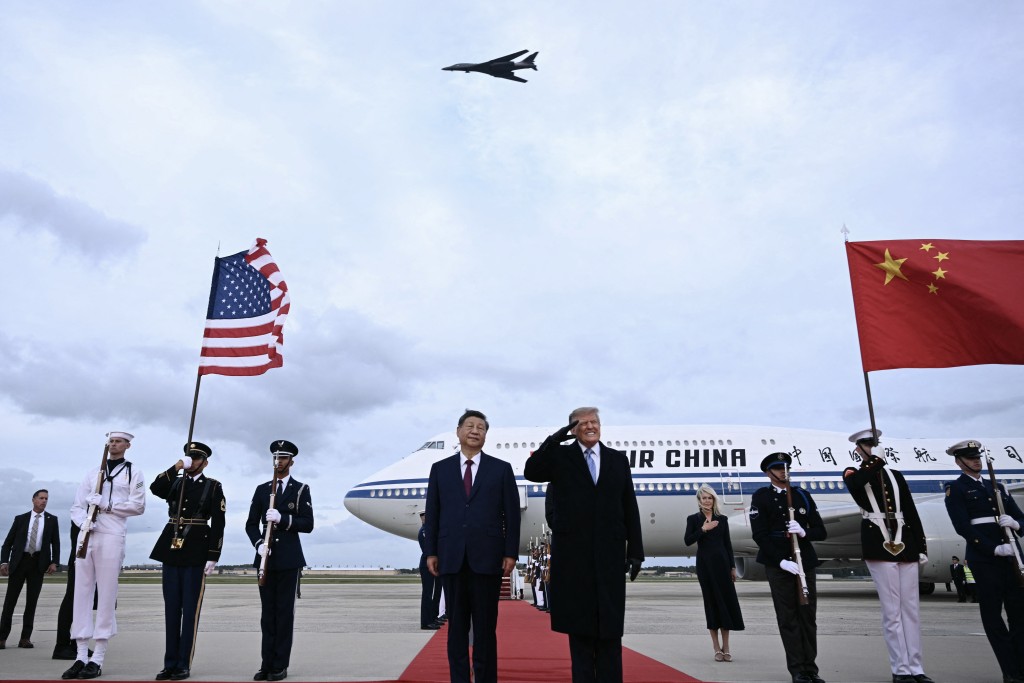



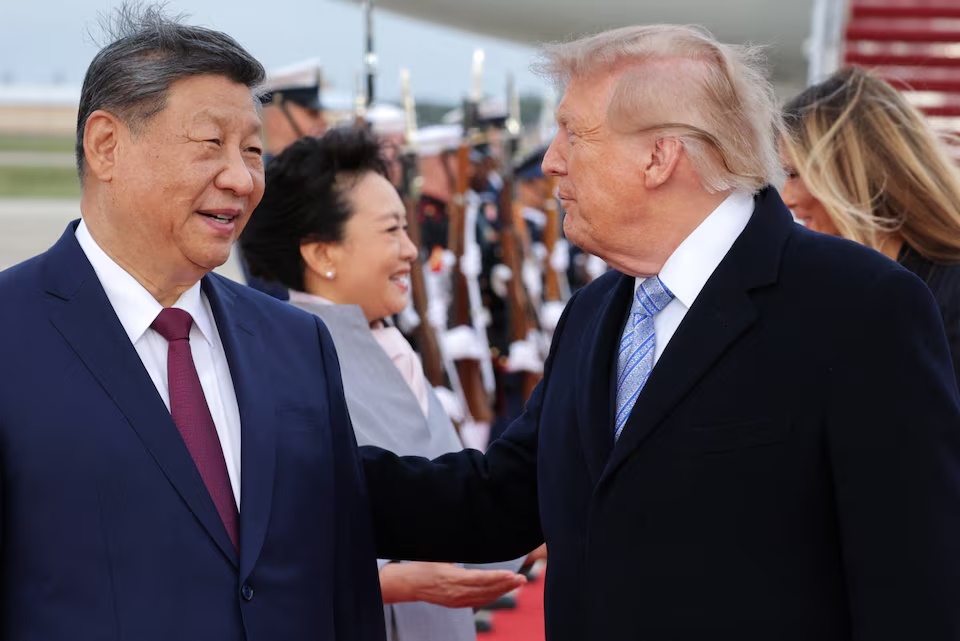



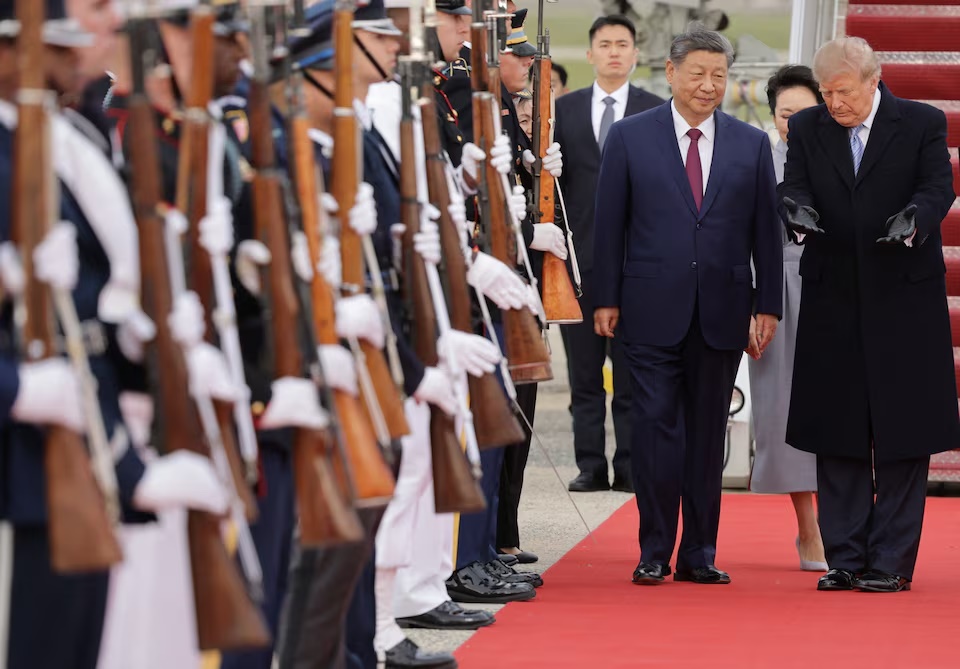


The US will remain reliant on China for rare earths well into the 2030s even as it rapidly builds its own mining and processing facilities, a stark imbalance facing President Donald Trump as he meets on Thursday with Chinese counterpart Xi Jinping.
Rare earths, which are among the 60 minerals considered critical by Washington, must be processed before they are turned into magnets and other materials used to make weapons, automobiles, computers and myriad other goods.
While US output of the two most-commonly used rare earths has more than tripled since Trump returned to office last year, the country can only meet 42% of its demand and within five years will still rely on imports for nearly a quarter of its demand, according to data from Benchmark Mineral Intelligence, a minerals consulting firm.
China, the world's dominant rare earths miner and refiner, last year agreed to delay restrictions on exports until November 10. A potential extension of those export delays is on the agenda for Xi and Trump when they meet in Washington. The White House had set its ownJanuary 2027 deadline to block imports of Chinese rare earths, a goal that will be all but impossible to meet.
"The goal isn't for the US to replace China as the dominant global supplier," said Coco Zhang, an analyst at ING. "The more realistic objective is to build a meaningful alternative supply chain that can protect strategic sectors during periods of geopolitical disruption."
Trump has made rare earths a national security priority since returning to office, pouring billions of dollars into MP Materials, USA Rare Earth, Energy Fuels and others in an attempt to loosen China's grip.
While those investments have started to bear fruit, the country's ongoing need for imports underscores Trump's weak bargaining position with Xi and the broader complexity of creating a rare earths industry from scratch after the US all but abandoned the sector in the late 20th century.
"We have to build this properly with urgency," said Kunal Sinha, founder of minerals processing startup Valor. "And when we build this up, we will be able to meet that demand."
Additionally, the US processes hardly any of the so-called heavy rare earths used in military applications, although its output of those hyper-specialized minerals should rise by 2031 even as it falls short of demand, according to the Benchmark data.
Rare earths processing has proved complex for the US to master given the chemical and mechanical difficulties of separating the 17 rare earths from each other.
"Western countries are in a stronger position to reduce their reliance on China, but replacing Chinese supply across the full value chain is much more difficult," said Todd Downing, a minerals analyst with consultancy Project Blue.
To be sure, US rare earths companies are growing. MP Materials, for instance, earlier this month began delivering magnets made from its own refined rare earths to General Motors as part of a deal inked in 2021.
USA Rare Earth has been an acquisition spree this year after US government investment, buying a Brazilian mine and a French processing plant. Energy Fuels earlier this year agreed to buy a company that had built a major magnet facility in South Carolina.
"Rare earths domestic onshoring is moving forward," said Tim Moore, a rare earths analyst with financial services firm Clear Street. "It's early innings, but it's happening."
Startups, including Nth Cycle, Ucore Rare Metals and others, have been experimenting with new ways to refine rare earths.
"The US continues to make a lot of rapid progress in developing our capacity to produce materials across the supply chain," said Albert Gore, head of ZETA, an electric vehicle trade group. The EV industry is a large user of rare earth magnets.
Even still, some Chinese suppliers have begun holding back shipments to the US due to fears of offending Beijing, Reuters reported earlier this month. That could pose a wider threat to US manufacturers if Xi opts to formally block exports.
Ford Motor last year, for example, temporarily shuttered US factories after supplies of Chinese rare earths dried up.
"We are all working very hard to stand up the processing capacity as quickly as we can," said Megan O'Connor, CEO of Nth Cycle, which developed technology it says can process rare earths and earlier this week signed a $1 billion supply agreement with Glencore.
Reuters