Relocating the capital has long been on presidents' agenda in South Korea's modern history, given Seoul's problems such as overpopulation and proximity to North Korea. However, constitutional constraints and public opposition have stalled the process, reported The Standard's sister publication East Week magazine.
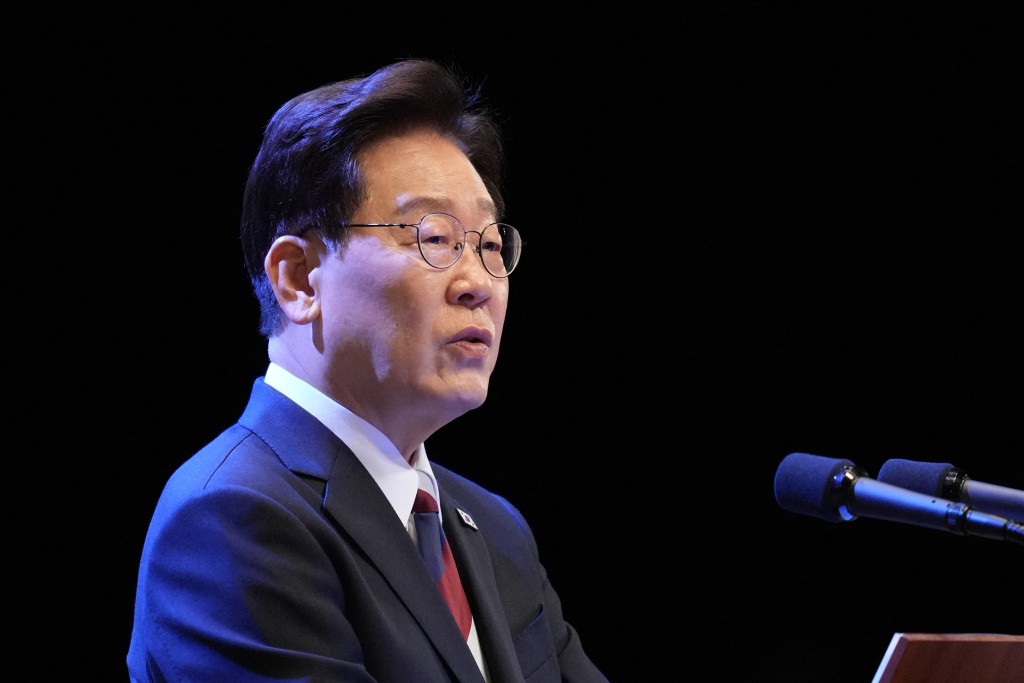
Early this month, President Lee Jae Myung kickstarted a new relocation initiative, which will oversee the move of over a hundred public institutions and departments – including core departments such as the Ministry of Justice – from Seoul to Sejong City.
According to the plan, a second presidential office is slated to open in Sejong City in 2029, and a second National Assembly building by the end of 2033. The Prosecution Service and the National Police Agency will move in gradually after the new buildings are completed.
Although the initiative is not framed as a "capital relocation" and Seoul will retain its title, commentators have pointed out it will effectively shift the locus of political power to Sejong City.
For over two millennia Seoul has occupied the seat of South Korea's capital, leading the nation's politics and economic growth.Yet it struggles with overpopulation, with a staggering 50 percent of the country's entire population living in the Seoul metropolitan area, while other second- and third-tier cities are strained by persistent population loss.
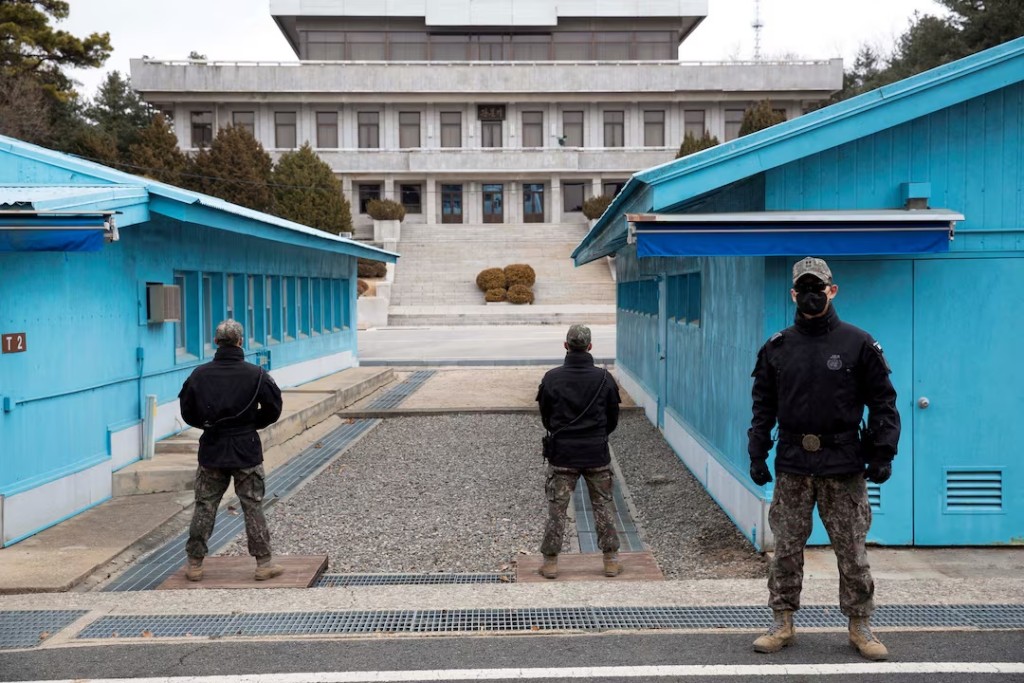
A more critical issue – one that threatens its very existence – facing Seoul is that it is merely a 40-minute drive away from the Korean Demilitarized Zone, the border barrier sitting between North Korea and South Korea. Seoul lies within range of the North's long-range artillery systems along the border, making it highly susceptible to a security breach.
Many presidents in the South recognized the imperative of protecting the capital, including Roh Moo Hyun who in 2004 selected an undeveloped area in South Chungcheong Province – which later became part of Sejong City – to which power was to be decentralized. Amid opposition campaigns by vested interest groups in Seoul, however, the Constitutional Court ruled that relocating the capital was unconstitutional and only a constitutional amendment could make way for the move.
When Lee Myung Bak became president in 2008, he carried on the relocation effort using a small-scale approach: moving departments such as the Prime Minister's Office and the Ministry of Strategy and Finance to Sejong City starting in 2012, while leaving core institutions such as the Blue House, the National Assembly, and the Supreme Court in Seoul.
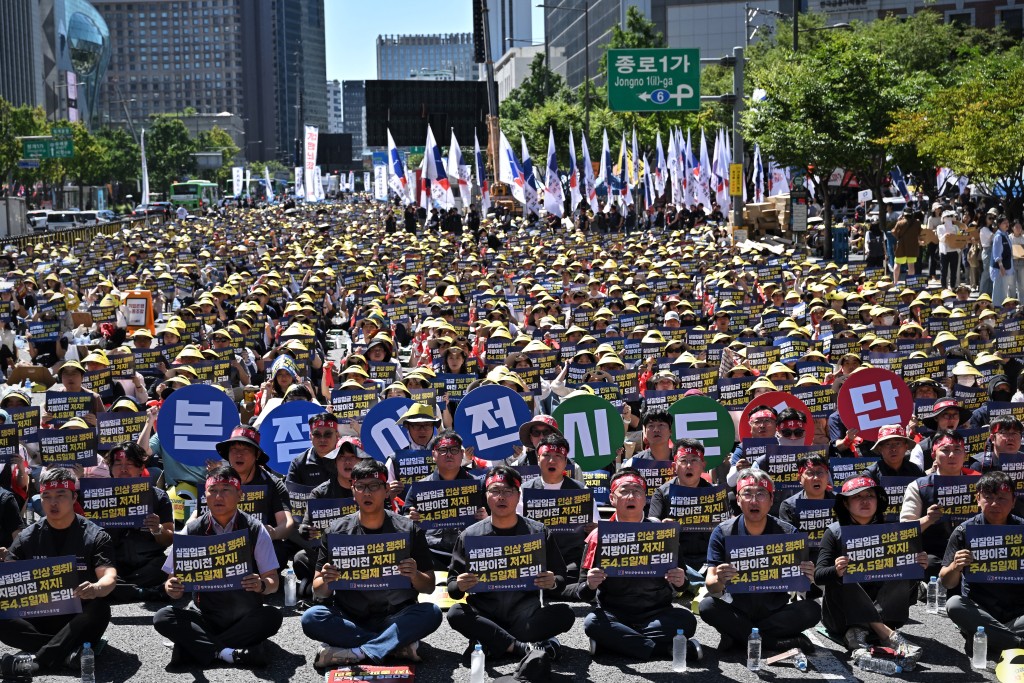
Lee's plan to build second presidential office and National Assembly building in Sejong sparked protests in the country. PHOTO BY AFP
As for the current president's new plans, some critics claim it is a strategic move to win over voters in Chungcheong Province, where Sejong City is located, a swing district with heavy influence in elections.
Some even suggest that Lee's real motive is to use the relocation of the capital as a pretext to push for constitutional amendments and secure his re-election. South Korea's constitution stipulates a five-year presidential term with no possibility of re-election. During his campaign last year, Lee proposed changing the term to four years, allowing for one re-election.
Opposition has gained ground in view of the hefty relocation costs, coupled with concerns that the move of public institutions could spark a mass exodus of private enterprises, leading to significant job cuts in Seoul. A Gallup poll shows that as many as 53 percent of the public opposes moving the presidential office to Sejong City.