Read More












Late police constable Chu Chun-kwok to receive full honors funeral on Fri
22-10-2026 15:33 HKT


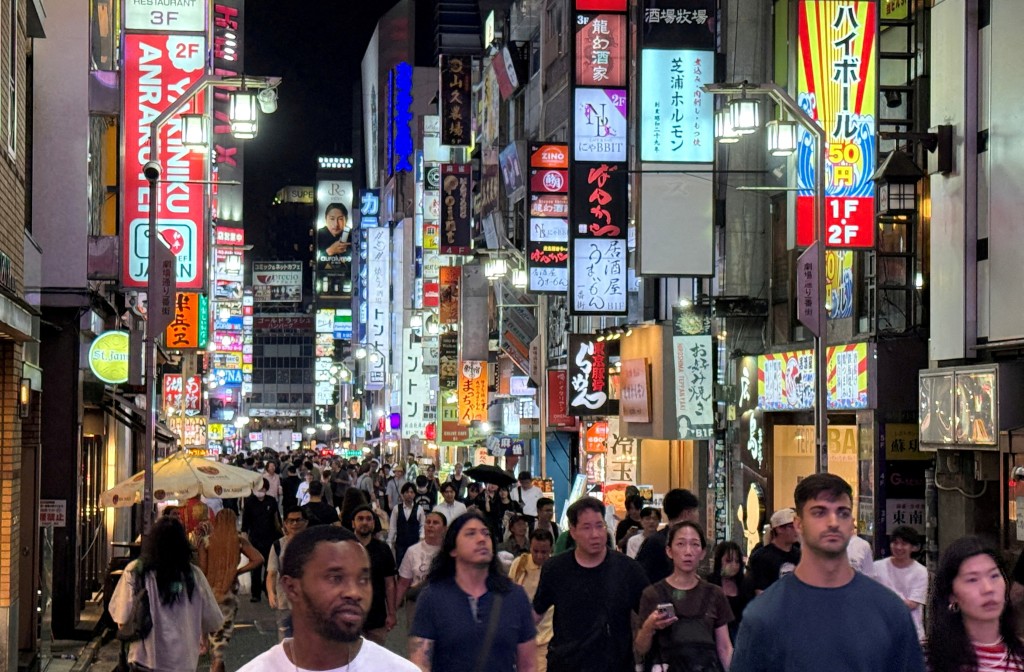
Tokyo’s Shinjuku Ward plans to ban vacation rentals in residential areas and designated educational districts, a move that could force around 2,000 properties to cease operating following a sharp rise in complaints from residents.
The ward plans to seek public comments in October before submitting amendments to its local minpaku ordinance to the ward assembly in February next year, with the tighter rules expected to take effect around summer 2027.
Shinjuku had 3,775 registered short-term rental properties as of July 15, the highest number among municipalities in Japan, according to the Japan Tourism Agency.
Under the proposal, vacation rentals would in principle be prohibited in areas zoned exclusively for residential use and in designated cultural and educational districts.
Existing operators would also be covered by the restrictions, although they would be given a grace period after the new rules take effect.
Exceptions may be allowed for properties that meet certain requirements, including those where owners live on-site and manage the accommodation appropriately.
The ward is also considering reducing the maximum number of operating days in commercial districts from the current 180 days to 120 days a year.
Under existing rules, minpaku operations in residential-only zones are already prohibited from noon on Monday to noon on Friday.
The proposed tightening comes amid growing complaints over vacation rentals.
Shinjuku received 1,334 complaints involving registered and illegal minpaku operations in fiscal 2025, up 542 from two years ago.
Common complaints involving registered properties included improper garbage disposal, noise and smoking, while authorities have also received reports concerning unlicensed accommodation and inadequate management.
The ward has stepped up enforcement in recent years, issuing suspension and closure orders against operators that repeatedly breached the Private Lodging Business Act.
Officials have said dealing with individual non-compliant operators alone is becoming increasingly difficult as the number of minpaku continues to grow and neighborhood concerns mount.
The move follows guidance issued by the Japan Tourism Agency and other authorities in July, which clarified that municipalities can effectively prohibit vacation rentals through local ordinances in areas where they are deemed to be harming residential environments.
Shinjuku’s proposal is part of a broader tightening of vacation rental rules across central Tokyo.
Toshima Ward has already approved regulations that will limit minpaku operations to 120 days a year from December 16, 2026, while barring new properties across roughly 70 percent of the ward, including residential and educational areas.