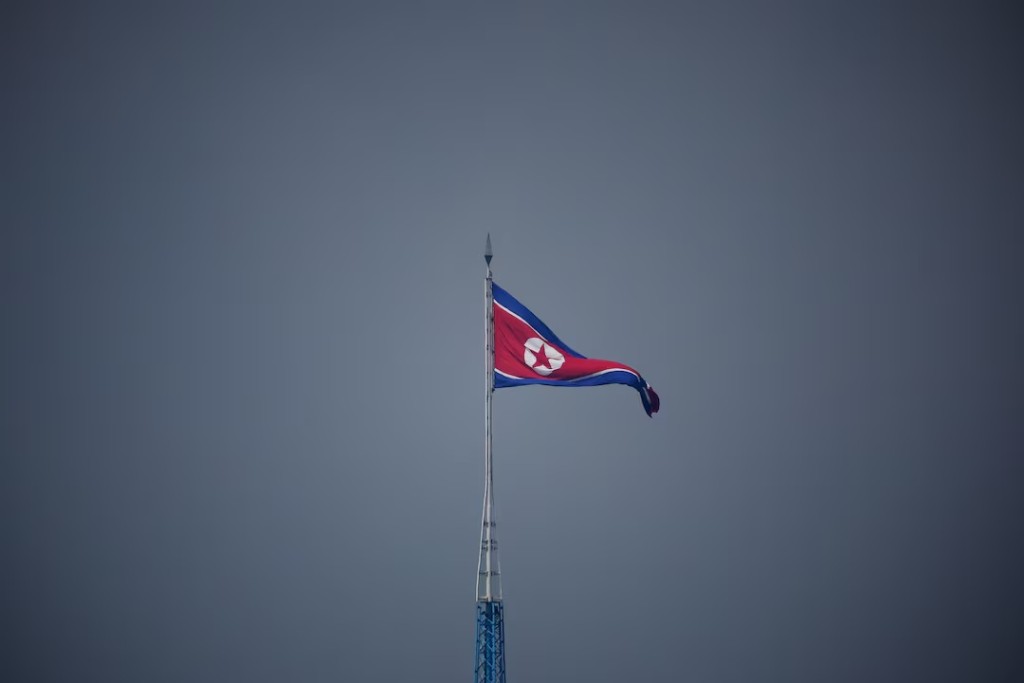
South Korea is abandoning a "denuclearisation first" policy in favour of a "peace first" approach towards North Korea, Unification Minister Chung Dong-young said on Thursday, while retaining the eventual goal of a nuclear-free Korean Peninsula.
"The ultimate goal of denuclearisation has not been abandoned, but denuclearisation first has," Chung was quoted as saying by his ministry at a press briefing.
He said Seoul had replaced that approach with one prioritising an initial halt to North Korea's nuclear activities.
South Koreais developing a strategy that would initially seek to freeze North Korea's nuclear programme, Chung said, arguing that continued delays would allow Pyongyang to expand its nuclear arsenal.
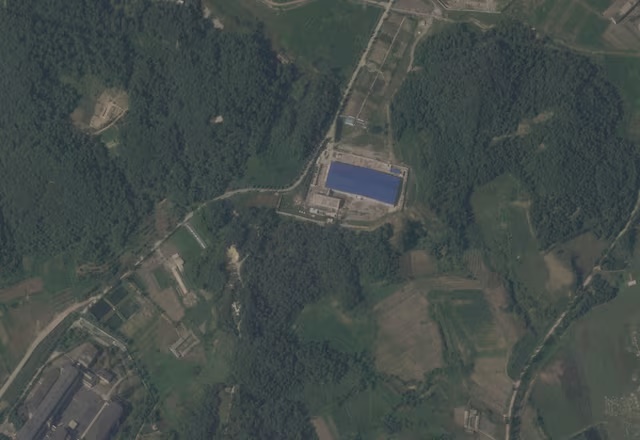
North Korea is still operating centrifuges at underground uranium-enrichment facilities and a plutonium-producing reactor at a facility in Yongbyon, while its capacity to produce nuclear warheads continues to increase, he said.
Chung said demanding denuclearisation at the outset had prevented talks at a time when formal inter-Korean dialogue had been suspended for seven years.
"If denuclearisation first is placed at the entrance to dialogue, the reality is that dialogue cannot begin," he said, adding that the government had reframed its objective as achieving a nuclear-free Korean Peninsula.
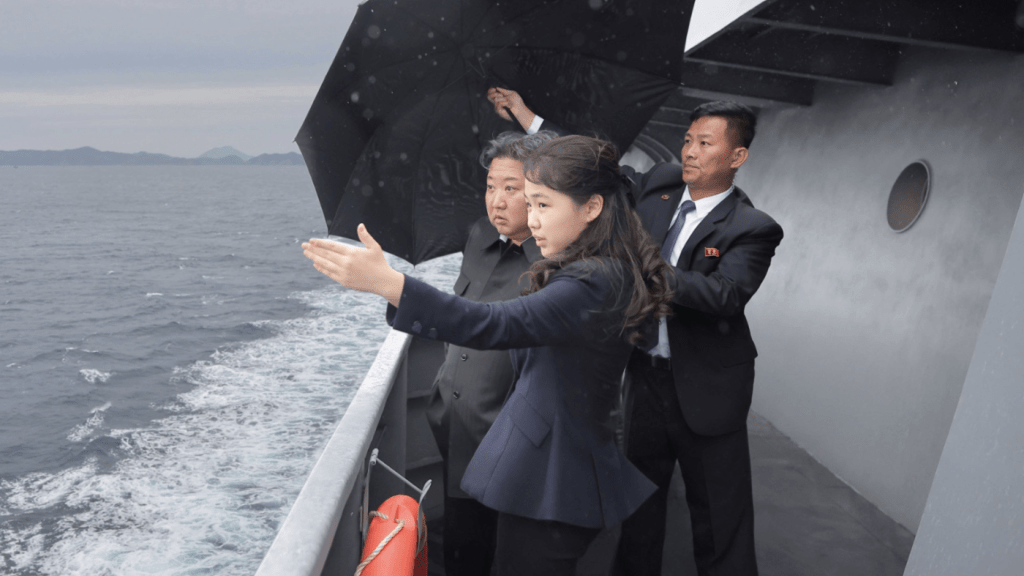
North Korea has remained hostile to President Lee Jae Myung's overtures despite his efforts to ease tensions, including suspending anti-Pyongyang loudspeaker broadcasts and taking steps to curb the launch of propaganda leaflets by activists.
Pyongyang has said it has no interest in Seoul's proposals or in resuming dialogue, and accused Lee of continuing a confrontational policy by maintaining close ties with the United States.
Chung said there was still "strategic demand" in both North Korea and the United States for renewed talks. He pointed to expected meetings between U.S. President Donald Trump and Chinese President Xi Jinping as potentially critical opportunities, saying Seoul should intensify its diplomacy beforehand.
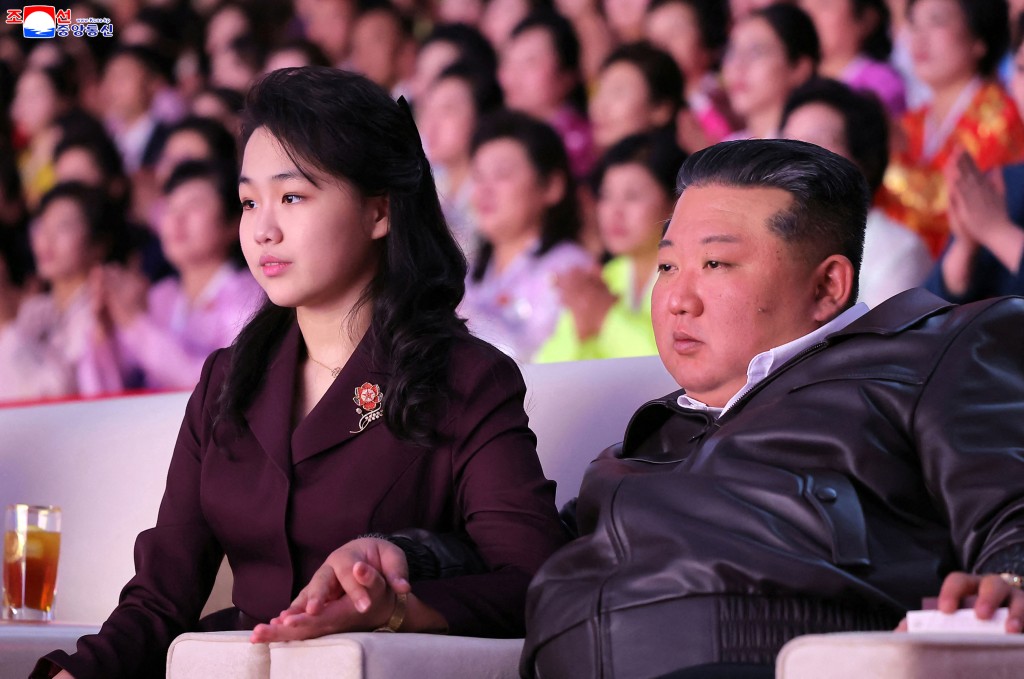
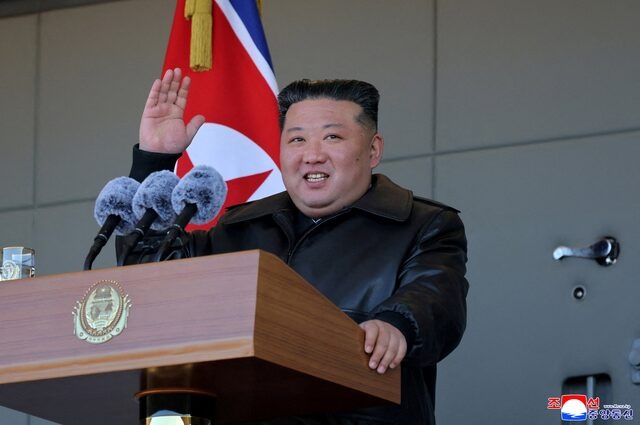
North Korean leader Kim Jong Un declared in late 2023 that the two Koreas were separate hostile states rather than partners seeking eventual unification, a fundamental shift from its traditional approach to the South.
Chung has increasingly advocated co-opting North Korea’s description of "two hostile states" to pursue what he calls a "peaceful two-state" relationship, describing it as a transitional stage towards eventual unification.
He has also proposed referring to North Korea as "Choson", an abbreviation of its formal name, rather than using the customary South Korean term.
Chung said on Thursday that experts were discussing the proposal and that broader public debate would take time.
Reuters