





Read More









ImmD crackdown targets moonlighting domestic helpers arresting 17
19-05-2026 17:52 HKT

One dead, four injured in Jordan flat fire, 200 residents evacuated
22-05-2026 00:48 HKT
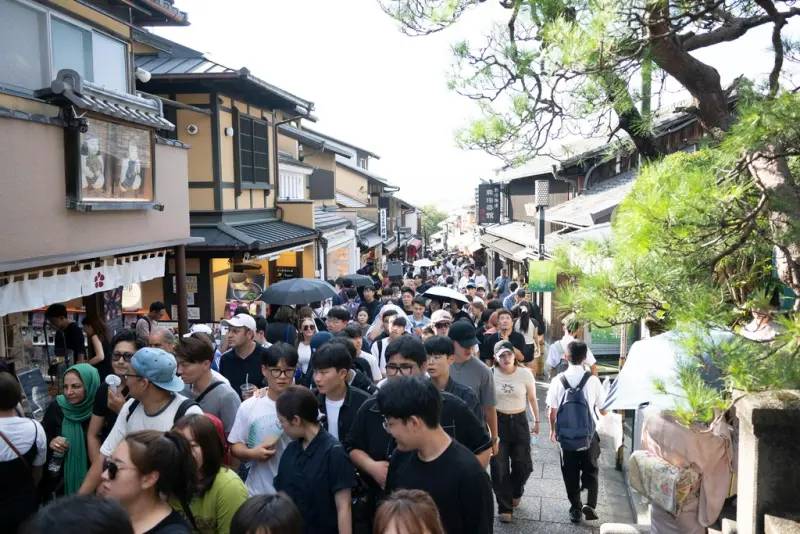
Japan’s Kyoto is set to increase the accommodation tax, starting March 1, 2026. The new tax structure will raise the maximum nightly rate from the current 1,000 yen (approximately HK$51.5) to 10,000 yen (around HK$515) for guests whose nightly accommodation costs exceed ¥100,000 (approximately HK$5,152), making it the highest accommodation tax rate in Japan.
Kyoto recorded a historic high of 84.25 million visitors last year, raising concerns of overtourism, causing overcrowded buses and disruptions to residents' daily lives. The influx of tourists has coincided with the opening of several high-end hotels, including the Imperial Hotel Kyoto, which is set to debut next spring with room rates starting at 164,500 yen (about HK$8,500).
The city government aims to use the revenue from the increased tax to help cover the costs of maintaining the city, believing the adjustment will provide a more stable revenue source for local governance.
Kyoto first implemented the accommodation tax in October 2018, making it the third city in Japan to do so. This marks the first adjustment to the tax rate, prompted by the escalating impact of overtourism on infrastructure and residents' lives.
Under the new tax framework, accommodation taxes will be categorized into five tiers based on hotel room rates.
Notably, participants engaged in school trips and extracurricular activities will be exempt from the tax.
The Kyoto City government anticipates that the revised accommodation tax will increase annual revenue from around 5.9 billion yen (approximately HK$300 million) to 12.6 billion yen (about HK$650 million), more than doubling the current income.
Officials stated that the additional funds will be allocated to alleviate tourism pressures and enhance residents' quality of life, focusing on transportation improvements, environmental maintenance, disaster preparedness, and cultural heritage preservation.
Kyoto Mayor Koji Matsui emphasized that this revenue will help balance tourism development with residents' needs, allowing the city to continue welcoming visitors in a sustainable environment.