Read More







OpenAI's Sam Altman to brief UN Security Council next week
19-09-2026 19:36 HKT

Anthropic picks Accenture for in-house AI safety evaluation
19-09-2026 18:29 HKT

Indonesia accepts Malaysia's help to tackle wildfires
19-09-2026 17:54 HKT


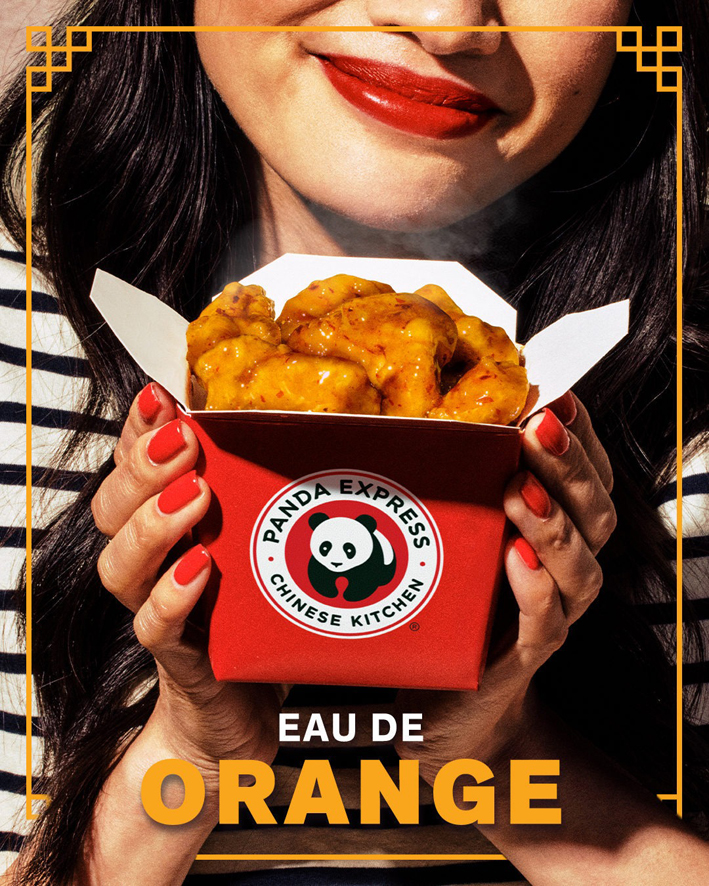
The founder of American-Chinese fast-food giant Panda Express is seeking to buy a National Basketball Association franchise for about US$4.25 billion (HK$33.15 billion), potentially becoming the second Chinese billionaire owners of an NBA team after Alibaba (9988) chairman Joseph Tsai Chung-Hsin.
Andrew Cherng and his wife Peggy Cherng, whose fortune is estimated by Forbes to be around US$7.4 billion, have joined an investor group led by US entrepreneur Tom Dundon in a bid to acquire the Portland Trail Blazers, according to East Week magazine, a sister publication of The Standard.
The Cherngs would be the biggest financial backers in the consortium, with speculation that they could inject “Chinese elements” into the team, such as introducing Panda Express' signature Orange Chicken at games.
The Trail Blazers were long owned by Microsoft co-founder Paul Allen, whose estate required the club’s sale after his death in 2018, with proceeds to be donated to charity.
If successful, the purchase would echo Tsai’s 2018 acquisition of the Brooklyn Nets, when he bought a 49 percent stake for US$1.15 billion before paying US$1.35 billion for the remainder a year later.
The Cherngs’ bid, however, faces obstacles. US sports entertainment firm RAJ Sports has filed a lawsuit accusing them of breaching a confidentiality agreement and is seeking to block their participation.
Analysts warn the dispute could delay or even derail the transaction, unsettling the franchise and its fans.
Overcoming obstacles
The Cherng couple’s journey reflects a classic immigrant success story. Born in Yangzhou, Jiangsu province, Andrew Cherng moved with his family to Taiwan and later Japan before receiving a scholarship to study in the United States.
His father, once personal chef to late Kuomintang chairman Chiang Kai-shek, joined him in California in 1973 to open Panda Inn, a traditional Chinese restaurant that initially struggled.
Sensing the limits of authentic cuisine in the US market, the pair simplified menus, adjusted flavors to local tastes, and standardized operations.
Their breakthrough came in 1983 with the launch of the first Panda Express in California.
Peggy Cherng, holding a PhD in electrical engineering, built a point-of-sale system that tracked customer data and boosted efficiency, helping drive the chain’s rapid expansion.
Today, Panda Express generates nearly US$5.9 billion in annual revenue, controlling more than 40 percent of the US Chinese fast-food market.
The chain ranks 12th among America’s top quick-service brands in 2023, surpassing KFC and Pizza Hut, according to QSR magazine.
Additionally, unlike most chain brands that rely on franchising for expansion, the Cherngs have insisted on a company-owned store model. They only grant franchises for about 7 percent of their locations (such as those in airports or universities) due to regulatory requirements.
The group now operates over 2,400 stores, more than twenty times the 100 stores it had two decades ago. It has also expanded into markets including Japan, Mexico, the Middle East, and Russia.
Notably, the Cherngs have kept Panda Express privately held without external financing.