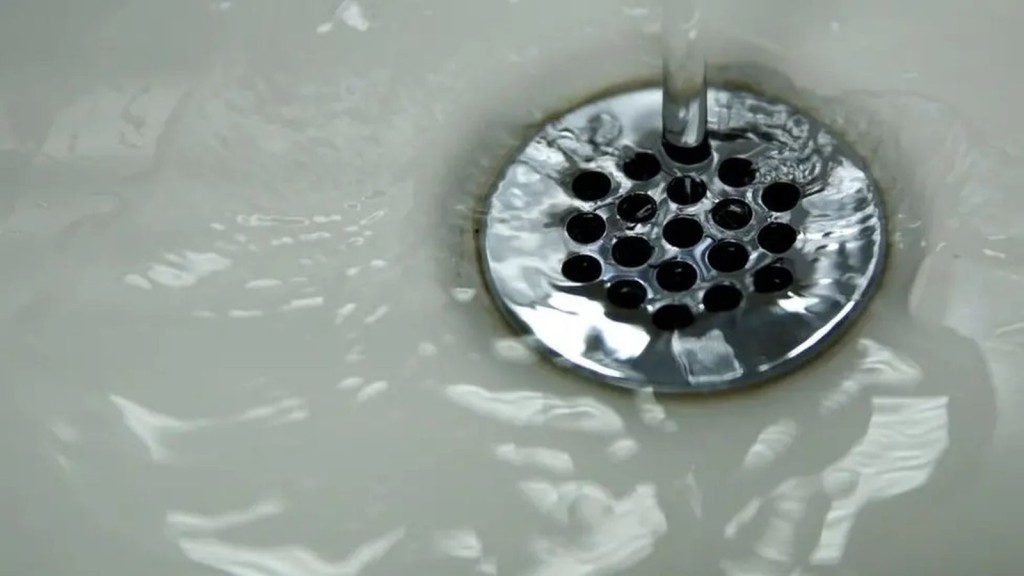
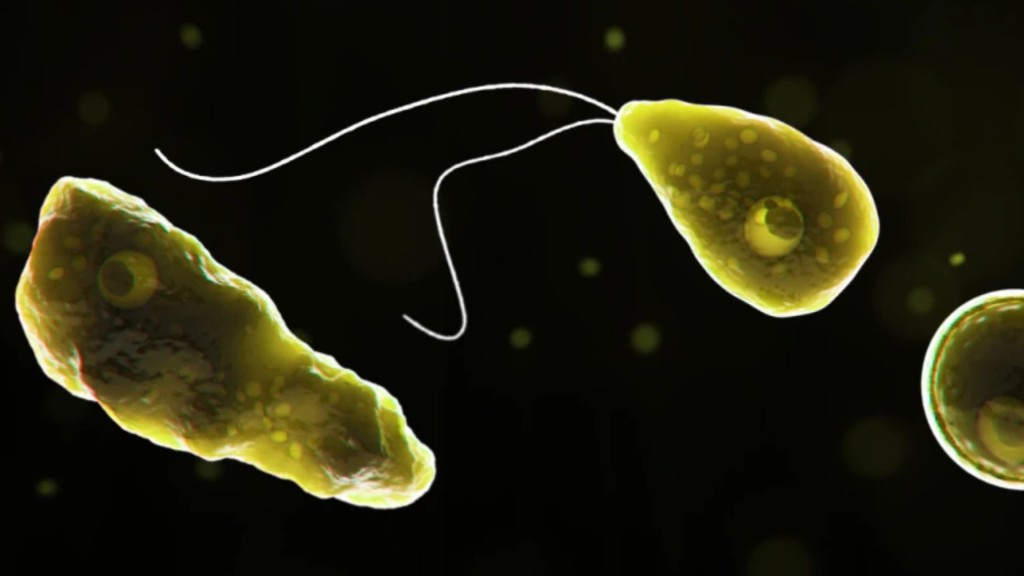
Naegleria fowleri, a deadly "brain-eating amoeba," was detected in the drinking water supplies of Charleville and Augathella, Queensland, about 750 km west of Brisbane, during a Queensland Health analysis on August 7, 2025. The amoeba was found in two health facilities and their incoming water systems.
This microscopic organism thrives in warm freshwater (25-40°C) like ponds, lakes, and rivers, causing primary amoebic meningoencephalitis (PAM), a rare but nearly always fatal brain infection. Symptoms, appearing within 3-7 days, include sore throat, headache, hallucinations, confusion, vomiting, fever, neck stiffness, and seizures, with death typically occurring within five days. Globally, 381 cases were reported up to 2018, with 92% fatal; Australia had 22 cases, ranking fifth after the US, Pakistan, Mexico, and India. Since 2000, Queensland recorded five confirmed and one probable PAM case, all fatal.
Naegleria fowleri (source: Centers for Disease Control and Prevention)
Infection occurs when contaminated water enters the nose, allowing the amoeba to reach the brain via the olfactory nerve, causing severe inflammation and tissue damage. Activities like swimming, diving, or water sports in warm freshwater pose risks, particularly for children and young males (average age 14). A recent US case involved a Missouri resident infected while water skiing.
Drinking or cooking with contaminated water does not cause infection, but nasal exposure during bathing, showering, or nasal irrigation does. Queensland Health advises avoiding water entering the nose, supervising children during water activities, and avoiding hoses or sprinklers. The Murweh Shire Council noted the water, sourced from the Great Artesian Basin, was unchlorinated, increasing contamination risk. The source remains under investigation.
Australian drinking water guidelines recommend consulting health authorities upon detection and using chlorine for disinfection. Contamination in town water supplies is rare, and other Australian systems are unlikely affected. To reduce risks in warm freshwater, keep your head above water, avoid diving, or use nose clips. The amoeba cannot survive in saltwater or properly chlorinated pools.