Read More








ImmD crackdown targets moonlighting domestic helpers arresting 17
19-05-2026 17:52 HKT


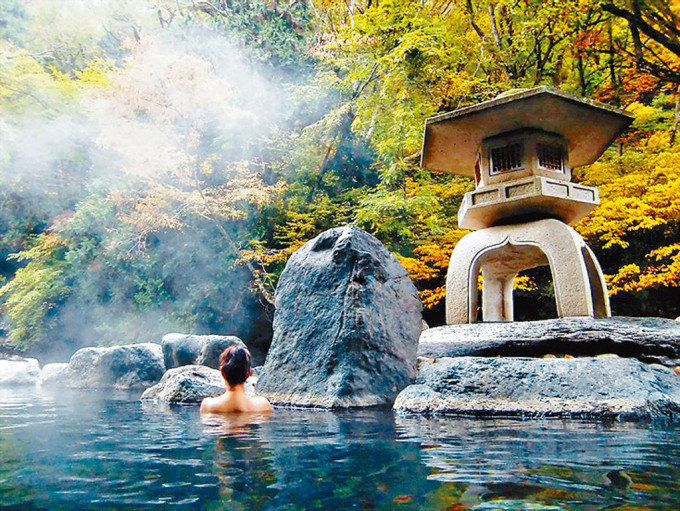
The Japanese hot springs, also known as onsens, have long been a highlight for travelers seeking relaxing experiences. However, the surge in tourism has cast a shadow over these natural wonders, with reports of water shortages prompting the closure of several hot springs across the country.
According to a story by Eastweek Magazine, a sister publication of The Standard, Prime Minister Shigeru Ishiba announced earlier this year that Japan aims to apply for UNESCO's intangible heritage list by 2028 to preserve the centuries-old Japanese onsen culture.
Following a post-pandemic travel spike, the Japan National Tourism Organization reported that the influx of foreign visitors has reached historic highs, with nearly 37 million tourists flocking to the country last year, generating almost HK$400 billion, representing a 53 percent rise.
Yet, the surge has taken a toll on the sustainability of the onsen industry, with some owners prioritizing profit over conservation, leading to the closure of a number of iconic establishments among the approximately 3,000 registered onsen locations.
Ureshino Onsen, one of the main coveted onsen spots, reported a sharp decline in average underground water depth as the level fell from 50 meters in 2020 to just 39.6 meters, prompting local officials to issue warnings about overtourism and calling on water limits in hotels and resorts.
The increase in tourists has also put additional strain on other onsen areas across the country, including those in Hokkaido, where the water level has dropped by 15 meters in the last three years.
As for Ginzan Onsen in the Yamagata region, restrictions such as barring tourists who have not applied for entry have been implemented to reduce the impact on residents.
The impact of tourism extends beyond water shortages, with plummeting water temperatures recorded in popular onsen destinations like Dake Onsen, where the thermal waters have dropped from 80 degrees Celsius to around 50 degrees in 2022.
As the hot spring water at some hotels has dropped to around 36 to 40 degrees, they have stopped welcoming new guests, while a few face the grim prospect of permanent closure.
Meanwhile, aging facilities such as corroded pipes and pumping infrastructure coincide with the excessive extraction of hot spring water also attributed to the decreased water temperature and decline in water level.
The preference of foreign visitors for private bathing experiences in hotel rooms, coupled with limited familiarity with communal bathing practices, has further strained hot spring resources, necessitating increased water usage.
In response to the challenges, the Japanese government has implemented measures to regulate water extraction and drilling activities, aiming to prevent resource depletion and sustainability of the onsen industry.
While Japan upholds stringent standards for onsen qualification, the certification system has faced controversy, particularly in light of concerns surrounding the impact of geothermal power plants on water quality and temperature.
Following the 3.11 earthquake, the government aimed to develop tourism with renewable energy, adding geothermal power plants during the reconstruction of the Tsuchiyu Onsen.
However, the industry in other regions has firmly opposed the decision, citing concerns about the impact on water temperature and quality, accompanied by the current overtourism.
The opposition to geothermal power has grown even louder to preserve the hot springs.
The Japan Onsen Association has voiced reservations about geothermal energy projects, calling for a halt to new drilling initiatives until viable solutions to mitigate environmental concerns are presented.
Despite these challenges, Japan's onsen tradition continues to embody unique customs such as drinking bottled milk after bathing and playing table tennis in Yukata.
Additionally, a hot spring resort in Hokkaido has held Japan slipper table tennis championships since 2012, drawing over 500 participants and turning it into a country-wide competition.