The term 'stallion-making race' is one that gets thrown around a bit. It's an envied label which some races have and most don't, and some want but can't quite get. The Hong Kong Jockey Club would love to have the G1 Hong Kong Cup known as a stallion maker, but it's not there yet.
A stallion making race is as it sounds: a Group 1 race of such established prestige that to win it boosts a colt's profile as an athlete worth investing in to perpetuate its genes. Think the Derby, Kentucky Derby and Tokyo Yushun for starters.
Getting the label is nothing official, mind you: there's no administrative body going around saying, "Right, you get to call your race a stallion maker and you don't," it's a thing to know, accepted information passed around the horse racing ecosystem over time that just is.
It's like knowing Juventus is La Vecchia Signora, the old lady of Italian soccer, one of the world's greatest football clubs, even if I Bianconeri hasn't won the Serie A title for six years or a European-wide trophy in the last 30.
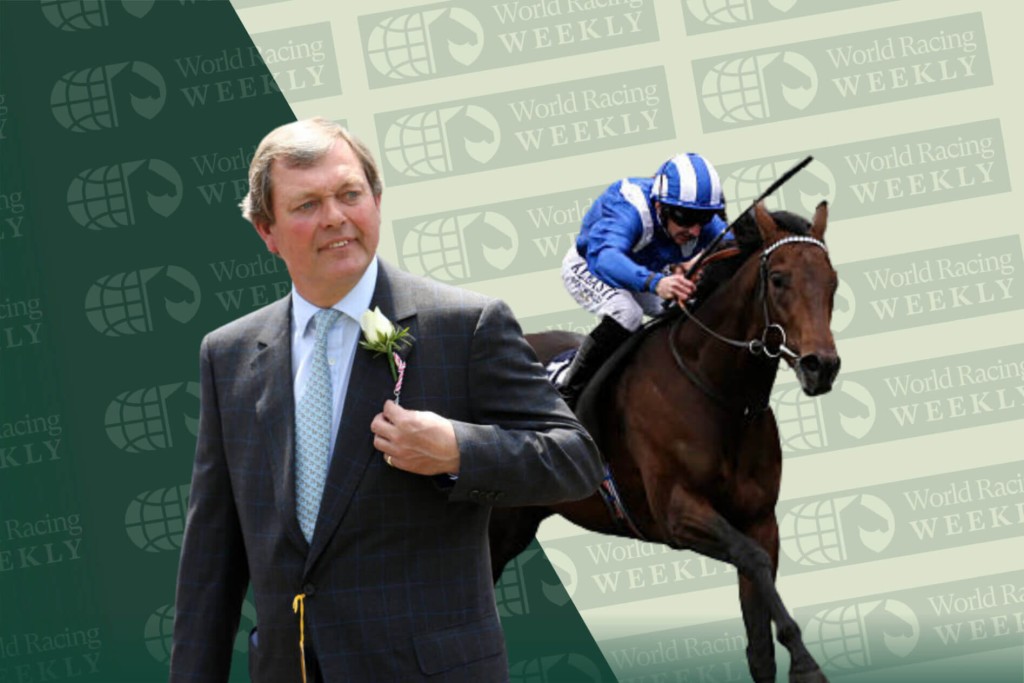
The G1 July Cup, the big feature this weekend, is a race renowned in Europe as a stallion maker, which is something trainer William Haggas alluded to when speaking to Idol Horse earlier this week about his stable's exciting colt Almeraq ahead of Saturday's six-furlong race.
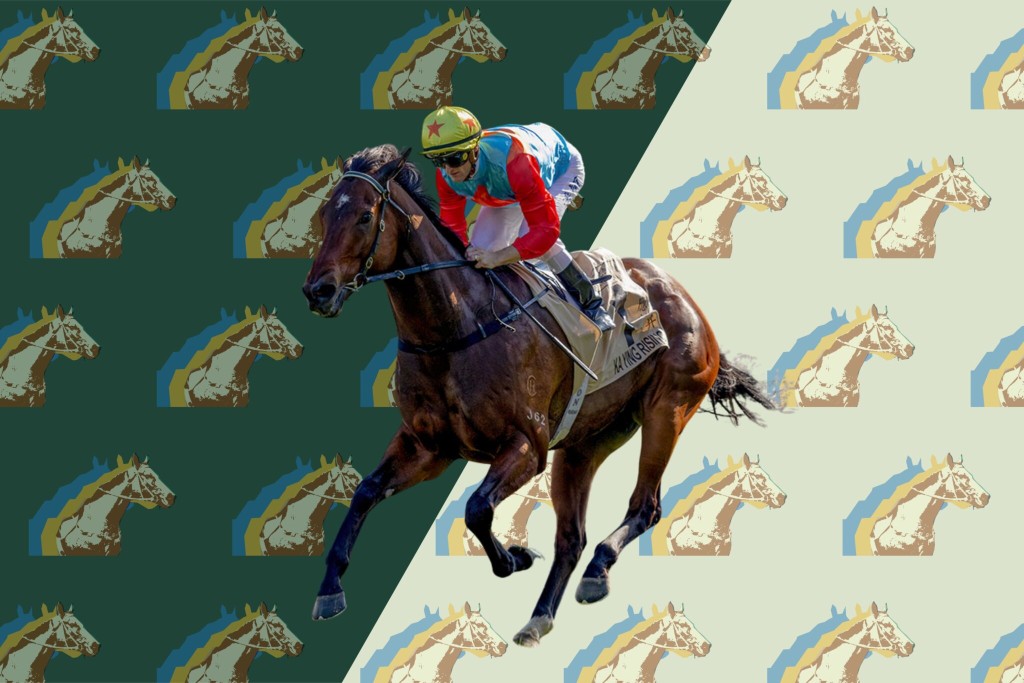
"I think our first job is to make him a stallion," he said when asked about a potential clash in the future with Hong Kong's superstar sprinter Ka Ying Rising.
For that reason, he added, if Shadwell keeps the colt in training at five, "Anything's possible next year, but I wouldn't think he'd go anywhere near Australia." He then outlined the July Cup, the Prix Maurice de Gheest, Haydock Sprint Cup and the British Champions Sprint as "a very good pattern for a six-furlong sprinter" in Europe, suggesting no need to deviate further afield.
No AU$20 million The Everest for Almeraq then, or at least, it's not high on the priority list for the lightly-raced four-year-old's owner-breeder, Shadwell Estate Company, the operation established by the late Hamdan Al Maktoum. And likely no clash with Ka Ying Rising.
The Everest is not a stallion-making race. Since it sprang into being in 2017, only one colt has won, Yes, Yes, Yes, who started stallion life at mighty Coolmore but is now at Gooree Park for a fee of only AU$16,500.
If you're looking for a stallion-making race in Australia, look at the Coolmore Stud Stakes, not The Everest.
Haggas – a trainer who often targets big races far from home – is doing what is right by Shadwell and that, as he says, is his job. Shadwell will want a valuable stallion prospect. After all, they need to keep the operation going and that requires a degree of profitability.
As for the July Cup, it's a storied race that goes back to 1876 and is quite often the race that decides champion sprinter status in Europe. This century, 12 July Cup winners have been crowned champion, 10 of them colts.
Among those you'll find some important stallions: the brilliant Oasis Dream, Starspangledbanner, Dream Ahead, Lethal Force and Oasis Dream's Shadwell homebred, Muhaarar, as well as Starman, Europe's leading first crop sire, whose daughter Venetian Sun is favorite for Saturday's race.
In reality, there's usually more to making a stallion than just one race, it's about layering a body of work on top of desirable genes. Oasis Dream, for example, was a Group 1 winner at two and also won the G1 Nunthorpe Stakes, but as importantly, his father was the potent speed influence Green Desert and his maternal family consistently produced top-class athletes.
On the other hand, where the July Cup's reputation comes into play can be seen with Starman, not exactly fashionably-bred, whose only Group 1 win was the July Cup. It certainly made him.
But in a sport which needs greater connectivity across the globe in an age of increased competition, both in the sports consumption market and in the gambling sphere, how important is all of this anyway?
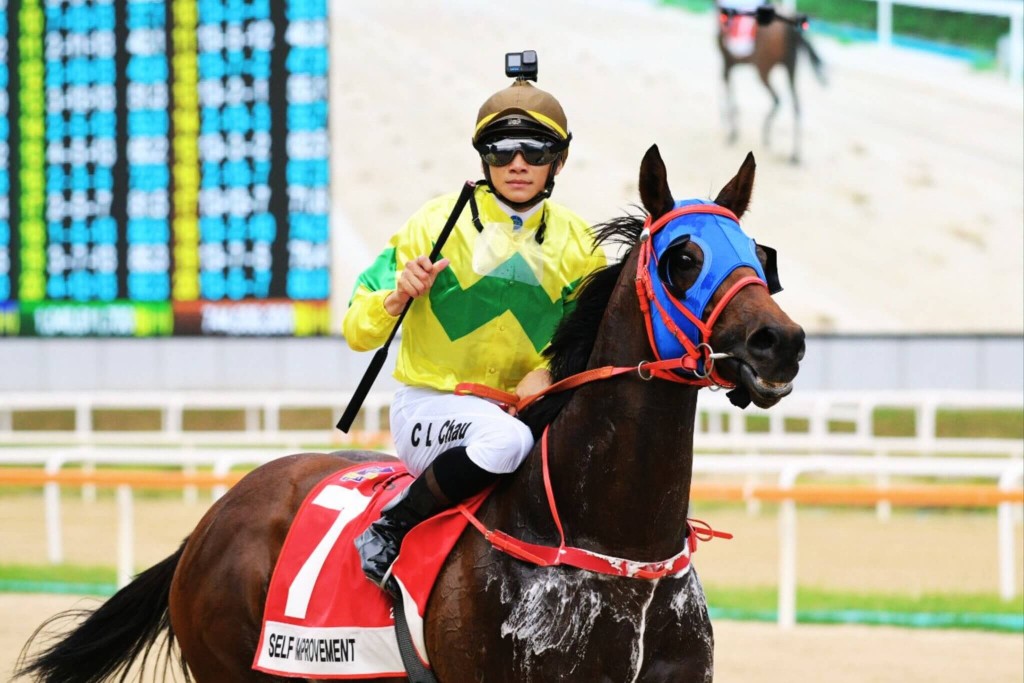
Sure, the breeding industry is a big money business, but rather than making stallions, the sport should be about creating sports stars, heroes that race as colts and entires year after year across three, four or five years, and once proven, they then go to stud. Look at Satono Reve, Japan's top sprinter and racing in the July Cup as an entire at age seven.
Shadwell's Muhaarar won the Commonwealth Cup, July Cup, Prix Maurice de Gheest and Champions Sprint at three. He was brilliant. And then he was gone, whisked off to be a stallion.
How much more his legacy would be, and his value to the sport as a whole, if he had raced for at least another season and engaged broader public interest.
The thing is, horse racing, for all the talk of globalization and the progress made in connecting the sport globally, is still rooted in a localized parochialism and self-interest. That's understandable, it's a business, owners and breeders need to make it pay.
But if the sport is to move forward, the very idea that making a stallion is the pinnacle needs to give way to the practice of making heroes of horses, which are campaigned to race on the track season after season.
Too often when potential stallions are talked about, it's more about protecting potential stallion value than it is about proving a colt's worth as a champion on the track. Do we need stallion-making races? Let's have champion-making multi-season campaigns instead and give the fans the connections they crave.
This Week In Horse Racing History
The first running of the July Cup was at Newmarket on July 6, 1876. The six-furlong race was won by the incredible Springfield, bred by Queen Victoria. Springfield won all nine of his races during that three-year-old campaign, and returned to win the July Cup again in 1877. The colt showed his class and versatility as a four-year-old when he rounded off an unbeaten five-win campaign and exceptional career with victory in the Champion Stakes over a mile and a quarter, defeating that year's Derby winner.
July 6, 1975 was a dark day for the sport. The outstanding filly Ruffian raced the Kentucky Derby winner Foolish Pleasure in a match race but broke down with two broken bones in her off-fore leg. She had surgery but was euthanized the day after the race.
Reads Of The Week
Mickaelle Michel enjoyed a career breakthrough earlier this year and in this feature leading into last week's Durban July she told David Morgan about her career traveling the globe and shared insights into her experience trying to pass the infamous JRA licensing test.
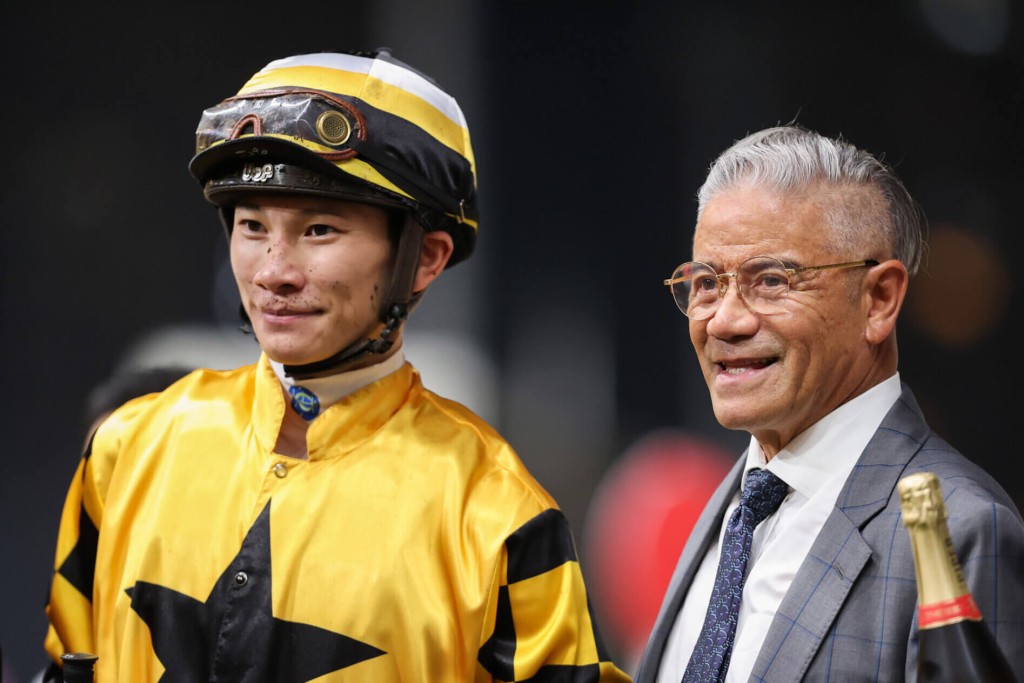
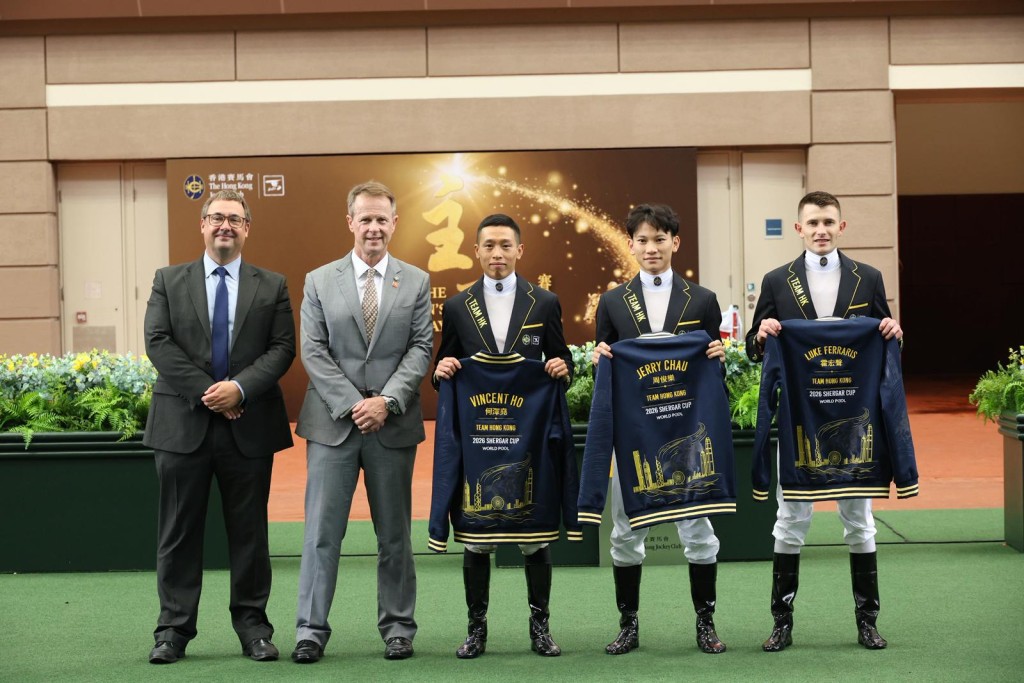
This Idol Horse feature looks at the steady rise of jockey Jerry Chau who will represent at the Shergar Cup next month, but not before he collects this season's Tony Cruz Award at Hong Kong's champion awards for being this season's leading homegrown rider in the city.
Racing Pic of the Week
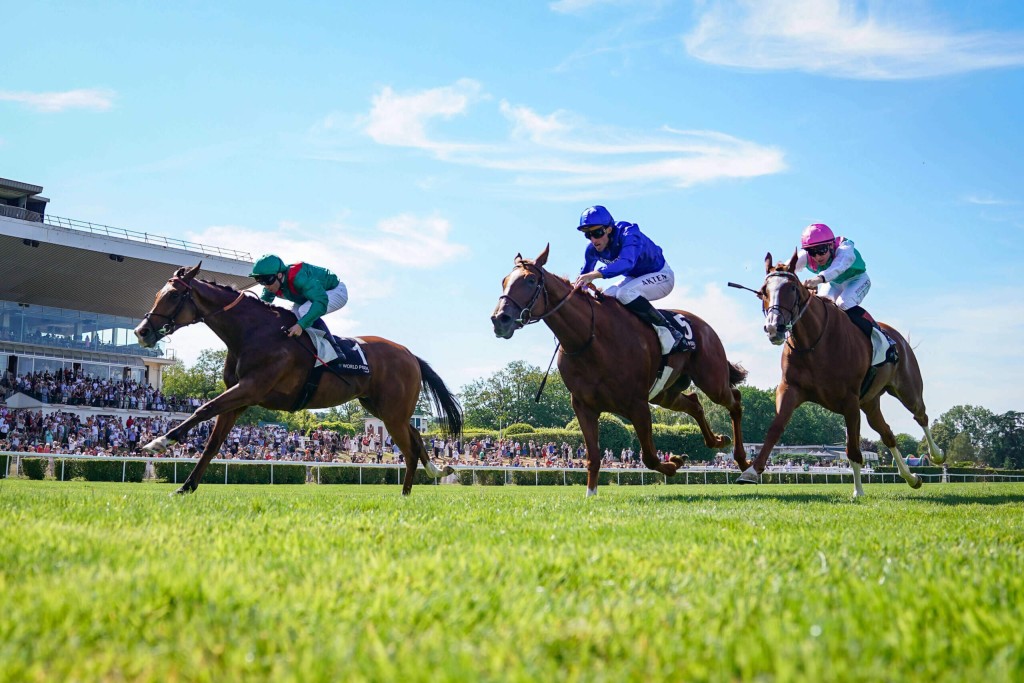
Calandagan had something to prove in the G1 Grand Prix de Saint-Cloud after his failure in the G1 Coronation Cup. He showed exactly why he was the world’s best last year, swooping powerfully from last to first to defeat Cualificar and Sunly, the three almost silhouetted against the summer sky in this under-the-rail shot.
Photo by @francegalop
Global Blackbook
It's that time of year when Japan's two-year-old program starts to kick into gear and it's always worth keeping your notebook close to hand when the newcomers step out at Hakodate and Sapporo in the north.
Last Sunday the great Flightline had his second Japan-side winner from only his second runner and the colt, Shonan Galleon, had a bit of 'wow' about him, even if it was just a five horse field.
The Shizuya Kato-trained youngster raced an easy third when the filly, Danon Cube opened a wide lead on the backstretch in the 1800m contest. As the bend approached, jockey Katsuma Sameshima asked his mount to close the gap, and, by the time they straightened off the home turn, Shonan Galleon was on the filly's flank, cruising.
Flightline's boy wasn't asked to do a thing as he rolled by the winning post, ears pricked, two and half lengths clear of Danon Cube, with four lengths back to the third. The time was 1:47.06, a juvenile track record.
Shonan Galleon carries the red and white colors of Tetsuhide Kunimoto, whose brilliant filly Shonan Pandora won the G1 Japan Cup 11 years ago. He paid ¥210 million (US$1.3 million) for this colt at the 2024 Select Sale, his dam being Tan Gritona, Argentina's champion two-year-old filly in 2022. The tail female line traces back directly to the legendary English-trained mare of the early 20th Century, Pretty Polly.
What's Coming Up? World racing calendar...
Durban July Day Greyville, South Africa, July 4
South Africa's biggest race, the Durban July, will be without ante-post favorite Star Major but it will feature Australian-based jockeys Zac Lloyd, Chad Schofield and Mark du Plessis. Lloyd will ride Regulation after his planned mount Happy Verse was ruled out injured. Meanwhile, veteran champion Andrew Fortune had a fairytale win in the G1 Cape Town Met earlier this year and will ride the star filly Wish List as he attempts to win the July for the first time, too.
Eclipse Stakes Day
July Cup Day Newmarket, England, July 11
The race which often seals European champion sprinter honors is set to be a cracker. Japan's Satono Reve is one of the best benchmarks in world racing right now, and he brings his Ka Ying Rising form into the race in an attempt to win a British Group 1 after two second placings in the G1 Queen Elizabeth II Jubilee Stakes. He faces his conqueror from Ascot last month, the progressive Almeraq, as well as two other Royal Ascot Group 1 winners, the three-year-old filly Venetian Sun and her contemporary colt, Mission Central. There's also the Wokingham Handicap winner from the Royal meeting, Double Rush, unbeaten in three this year.
Irish Oaks Day Curragh, Ireland, July 18
Aidan O'Brien has a typically strong hand among the Irish Oaks entries, notably the G1 Prix de Diane heroine Diamond Necklace and recent G1 Coronation Stakes winner Precise, who already has the G1 Irish 1,000 Guineas in the bag. Thundering On won the Oaks at Epsom for trainer Joseph O'Brien but was beaten into fourth behind older mares in the G1 Pretty Polly Stakes last time.
King George VI & Queen Elizabeth Stakes Ascot, England, July 25
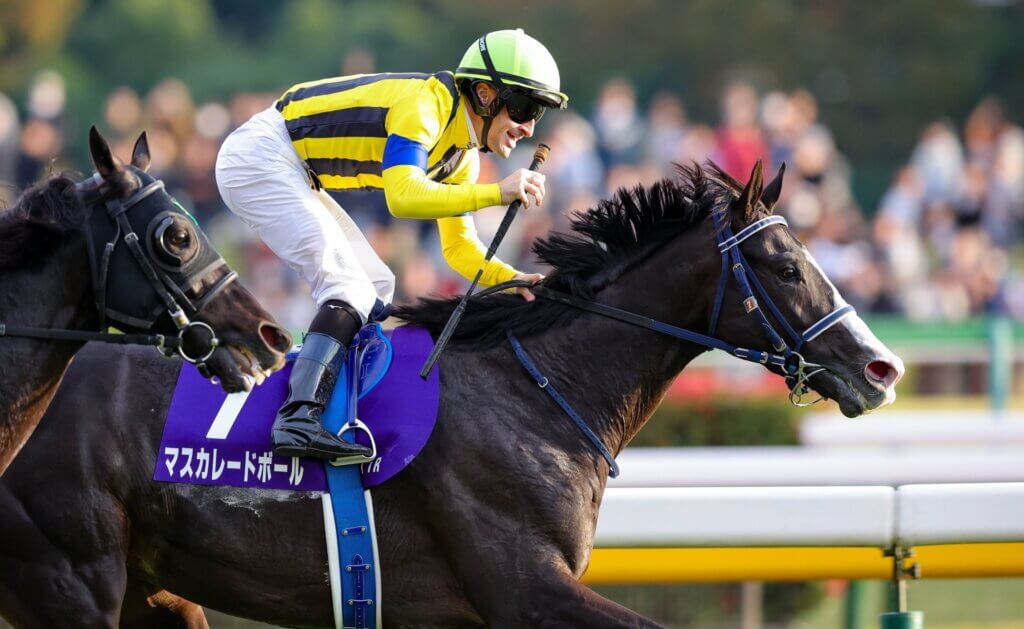
Japan's Masquerade Ball, last year's G1 Tenno Sho Autumn winner and Japan Cup second, is expected to take his place at Ascot in Europe's high summer middle-distance showpiece. He could face the horse that beat him in the Japan Cup, Calandagan, who bounced back to form at Saint-Cloud last weekend and was mightily impressive winning last year's King George. The entries include all the expected, including the Derby winner Christmas Day, the Irish Derby winner Benvenuto Cellini, and the French Derby and Eclipse Stakes winner Constitution River, as well as the first and second from last year's G1 Prix de l'Arc de Triomphe, Daryz and Minnie Hauk.
Champions Cup Day Greyville, South Africa, July 26
Star Major was scratched from the G1 Durban July handicap last week, a race for which he was favorite, and the hope is that he will recover from his elevated temperature in time for the weight-for-age Champions Cup. The colt won the G1 Daily News 2000 in May to give his jockey, Mickaelle Michel her first career Group 1.
Grosser Preis Bayerisches-Zuchtrennen Munich, Germany, July 26
Germany's only Group 1 race at 2000 meters is Munich's weight-for-age summer highlight. Godolphin has won four of the last eight editions, last year with the three-year-old Tornado Alert who was trained by Saeed bin Suroor, the first of whose three wins came with Kutub in 2001.
This article first appeared in Idol Horse as "World Racing Weekly: July Cup, Almeraq, Shonan Galleon."