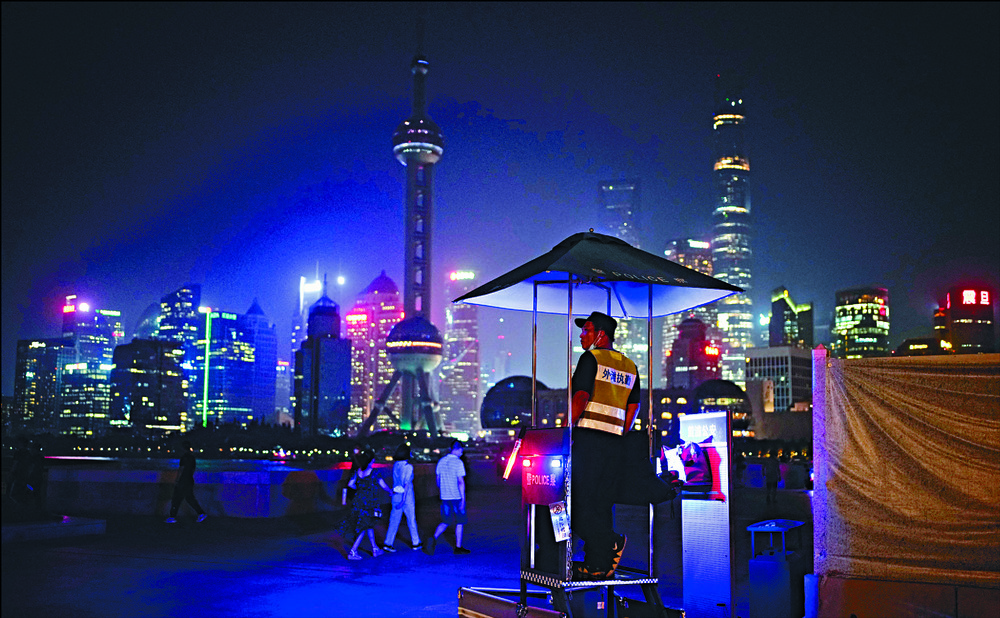
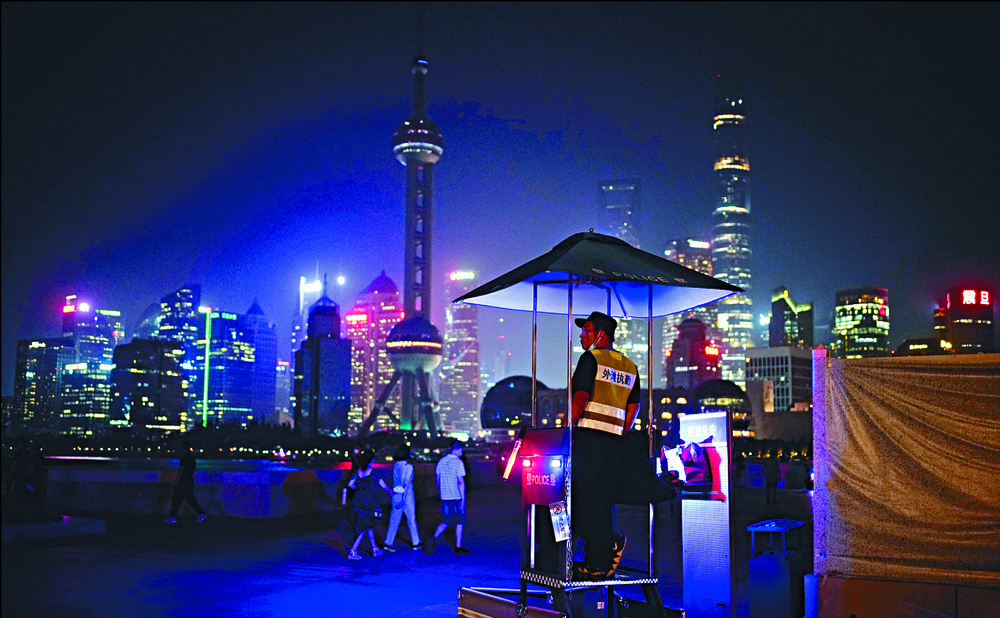
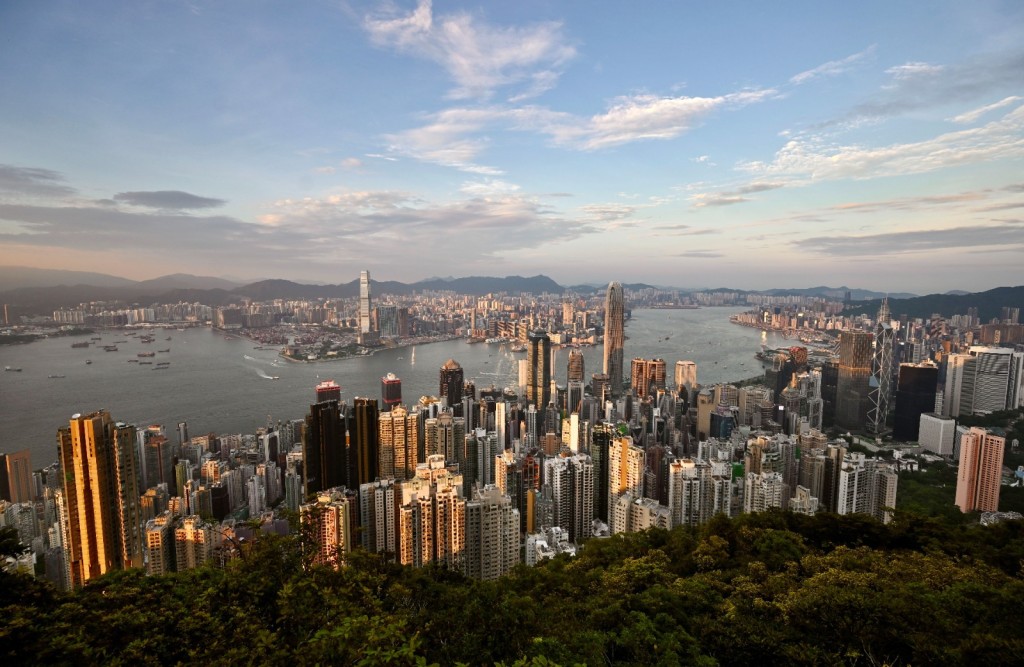
Shanghai switched off decorative lights along its famed Bund riverfront last night in response to a nationwide heat wave that has sent power demand soaring.
Many Chinese provinces have announced power cuts to cope with a surge in demand, driven partly by people cranking up the air conditioning to cope with temperatures as high as 45 degrees Celsius.
China has been hit by extreme weather this summer, including record temperatures, flash floods and droughts - phenomena that scientists have warned are becoming more frequent and intense due to climate change.
To save power, Shanghai authorities said they would switch off landscape lighting on the Bund for two nights.
Ornamental lights, billboards and video screens on both sides of the Huangpu River would remain off today.
The heat wave has reduced stretches of the Yangtze River, China's most vital inland waterway, to unprecedented drought levels.
That has resulted in high pressure on hydroelectric plants that supply power to some of the country's key economic zones.
In Chongqing, home to 31 million, authorities declared that shopping malls must operate only between 4pm and 9pm daily to cut power costs.
The city last week announced industrial power cuts and reduced scenic lighting at tourist attractions.
In neighboring Sichuan, authorities extended industrial power cuts and activated their highest level of emergency response to deal with the heat wave.
"Since July this year, the province has faced the most extreme high temperatures, the lowest rainfall in the corresponding period in history and the highest power load," local authorities said.
Some of the world's biggest automakers - including Japanese giant Toyota and Elon Musk's Tesla - operate factories in Sichuan.
Many major factories were forced to halt work because of the Sichuan power cuts, which were supposed to end on Saturday but were extended to Thursday, news outlet Caixin reported.
The Bund goes dark for two nights as Shanghai authorities try to save power amid soaring demand. REUTERS