





Read More








ImmD crackdown targets moonlighting domestic helpers arresting 17
19-05-2026 17:52 HKT

One dead, four injured in Jordan flat fire, 200 residents evacuated
22-05-2026 00:48 HKT


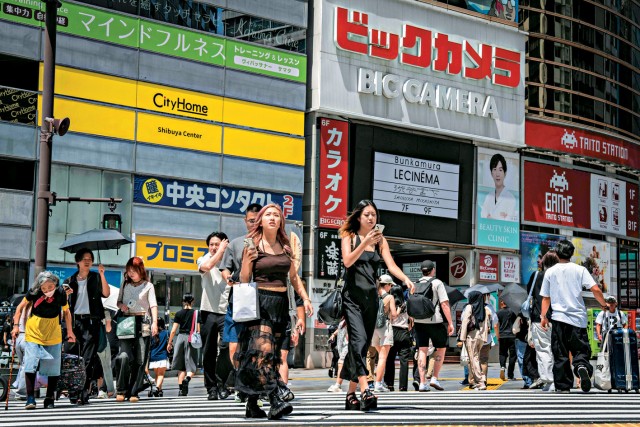
Foreign visitors to Japan may soon face an extra fee when swiping their credit cards, with some companies considering a surcharge of up to 3 percent on transactions to offset mounting losses from international payments.
According to a report from Nikkei Asia, many Japanese credit card firms act as both card issuers and merchant acquirers, handling payments at retail stores and restaurants.
The surge in inbound tourism has boosted their revenue from merchant fees but has also led to hefty payouts to overseas card issuers, often resulting in net losses.
Japanese companies typically charge merchants around 1.9% on transactions. For a ¥10,000 (~HK$530) purchase by a tourist, that equates to about ¥190 (~HK$10) in fees.
However, the costs to process foreign-issued cards can exceed this: firms pay roughly 1.8 percent (¥180) to the overseas issuer, 0.8 percent (¥80) to international brands like Visa or Mastercard, plus a 0.1 percent (¥10) system fee—totaling around ¥260 (~HK$13), or more than the income generated.
This imbalance worsens with higher tourist spending. A July survey by Nikkei of eight major firms, including Sumitomo Mitsui Card and Mitsubishi UFJ NICOS, found that six reported increased losses from foreign card transactions compared to the previous year.
Mori Trust Co. forecasts that tourist spending in Japan could hit ¥10 trillion in 2025. If half of that is paid by credit card, industry insiders estimate collective losses for Japanese card companies could balloon to ¥35 billion that year.
To stem the tide, three of the surveyed companies plan to introduce a new surcharge directly on foreign tourists, rather than merchants.
They suggested a rate of 1% to 3% on transaction amounts as "appropriate."
Implementing this won't be straightforward. It requires upgrades to payment terminals and networks, incurring development costs.
Three firms cited gaining tourists' understanding as the biggest hurdle, while two pointed to system expenses.
A more significant obstacle stems from rules set by international giants like Visa and Mastercard. Japan's Fair Trade Commission reported in 2022 that these brands prohibit surcharges in most contracts, with nearly 90 percent of Japanese firms complying.
This bars merchants from charging card users more than the standard price.
However, renegotiating contracts could open the door. Some countries already allow such fees to protect local businesses: Canada has seen court rulings permitting surcharges, while states like New York and Pennsylvania conditionally approve them.
Masayuki Yamamoto, head of Yamamoto International Consultants and an industry expert, noted, "Given the rise in inbound tourists and precedents abroad, international card organizations may find it hard to reject introducing a tourist surcharge." Some Japanese firms are already in discussions with these global players.