Read More










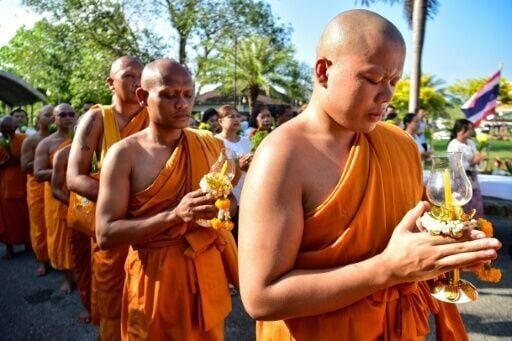
Thailand's Buddhist temples, long revered as sanctuaries of peace, now face unprecedented scrutiny as a wave of corruption scandals exposes criminal behavior among monks and systemic failures in the religious hierarchy. Recent months have seen shocking revelations of vows broken, funds misused and spiritual authority exploited for personal gain, reported East Week magazine, sister publication of The Standard.
A sweeping police operation this month led to the arrest of 181 monks, abbots and former monks from 200 temples nationwide. Charges range from embezzlement and money laundering to drug trafficking.
Among those detained is 45-year-old monk Surat Lungtia, accused of laundering money for a drug gang through temple donation accounts – though he claims he merely lent his account to a friend.
The Buddhist clergy's reputation suffered another blow with the "Thai Red Sister" scandal, exposing high-ranking monks entangled in sexual blackmail. Wilawan Emsawat, a woman in her mid-30s who goes by the nickname Golf, was arrested in June for extorting nearly 100 million baht (HK$24 million) from wealthy monks over three years.
Local reports detail how Golf lured monks through edited photos online, arranged encounters and recorded compromising footage. Her arrest uncovered 80,000 illicit photos and videos implicating over 20 monks, including prominent figures. At least nine have since left the monkhood.
The scandal gained notoriety when Phra Thep Wachirapamok, a revered abbot from Bangkok’s Wat Tri Thotsathep, abruptly fled to Laos after Golf allegedly demanded 7.68 million baht in false child support payments.
In response, the Sangha Supreme Council, the governing body for Thai Buddhism, formed a special committee to examine monastic rules and reform conduct standards.
Thailand’s King Maha Vajiralongkorn has condemned the misconduct, canceling ecclesiastical titles for 81 monks to signal a commitment to reform.
While Thailand’s 30,000 temples and 250,000 monks command deep respect, many clerics reportedly flout monastic rules – consuming meat, alcohol and tobacco, and flaunting luxury cars and designer goods.
Cultural norms further complicate the issue. Thai men often ordain temporarily – from five days to three months – after age 20, while some families send boys as young as seven to temples for moral education. This transient engagement, critics argue, undermines spiritual discipline.
A notable case from the mid-1990s involved Phra Yantra, a senior monk expelled for sexual misconduct and misappropriating donations, sparking public outrage.
Thailand's monks are categorized into eleven levels, with the highest being the Supreme Patriarch, appointed by the King, all under the oversight of the Sangha Supreme Council, which comprises thirteen members.
Experts attribute the misconduct to the hierarchical structure of the monastic system, which complicates internal investigations.
Additionally, with half of Thailand's primary and secondary schools located within temples, those from impoverished backgrounds may hesitate to report misconduct for fear of reprisals.
Meanwhile, weak financial oversight, with approximately 1 trillion baht scattered across temple accounts, further compounds issues of misuse and corruption.
Religious scholars warn that these systemic issues not only foster individual corruption among monks but also jeopardize the credibility of the entire Buddhist system, calling for fundamental reforms.
(Phoebe Poon)