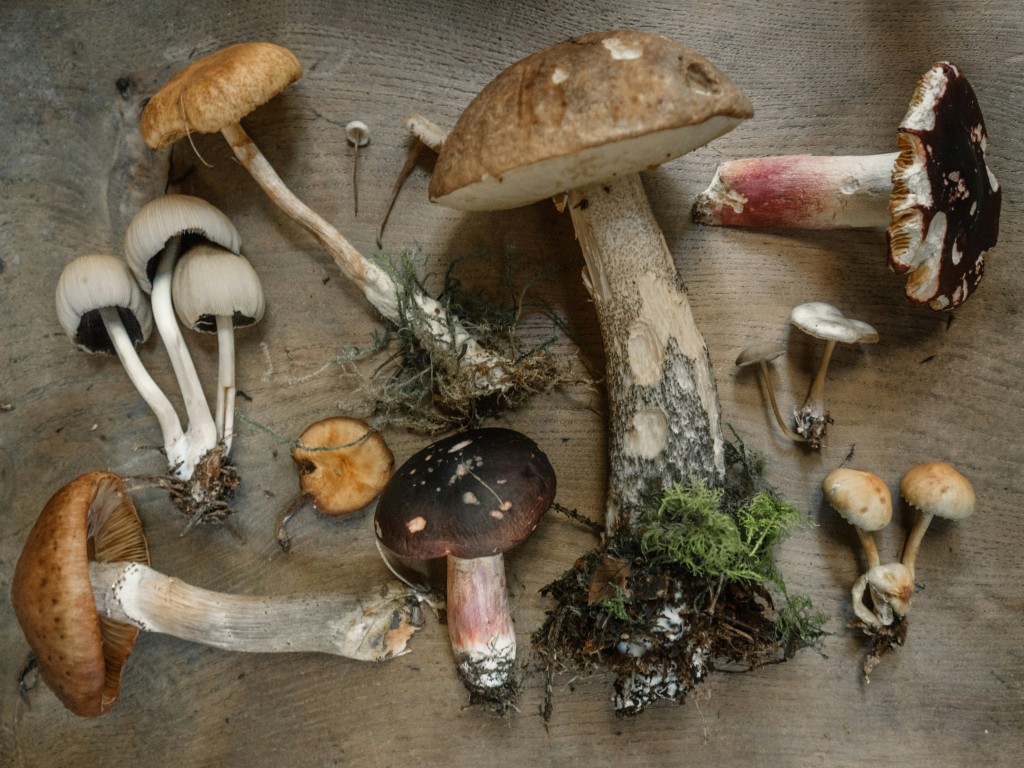
Mushrooms are a common ingredient in many Hong Kong households, but opinions vary on whether they should be washed before cooking and whether translucent enoki mushrooms are still safe to eat. Experts from Taiwan and Japan point out that most commercially grown mushrooms are cultivated in clean environments and do not require washing—washing can actually cause nutrient loss. They also advise discarding enoki mushrooms in 4 specific conditions.
Taiwan Agriculture and Food Agency Says: 4 Types Don't Need Washing
According to Taiwan's Agriculture and Food Agency (AFA), common mushrooms like enoki, king oyster, bunashimeji, and white beech mushrooms are grown using sterile cultivation techniques such as mushroom spawn bags or bottle cultivation. No chemical pesticides are used during growth. Consumers only need to remove any attached wood shavings and trim the roots before cooking—no washing required.
For shiitake mushrooms and wood ear fungus, which are cultivated in semi-open environments, the AFA recommends a quick rinse under running water before cooking to remove any surface dust. The key is to avoid soaking for long periods and to cook them immediately after rinsing to preserve optimal flavour and texture.
| Type | Recommended Action |
|---|
| No Washing Needed | Enoki, King Oyster, Bunashimeji, White Beech Mushrooms |
| Quick Rinse | Shiitake, Wood Ear Fungus |
Washing Ruins Flavour – Exception: Foraged Wild Mushrooms
Japanese vegetable expert Tetsu Aogami also notes that washing mushrooms before cooking significantly diminishes their flavour and texture, while also causing water-soluble nutrients like B vitamins to leach out—offering "no benefit at all." He recommends simply removing the roots and cooking them directly after opening the package.
However, if mushrooms are foraged from the wild, they may contain impurities from the natural environment, so washing before cooking is advisable. If not too dirty, wiping with a damp paper towel is sufficient. But commercially grown mushrooms are cultivated in sterile factory conditions and packaged cleanly, so consumers need not worry about hygiene.
Enoki Mushrooms | Does Translucency Mean They're Unfresh? How to Choose Enoki
Tetsu Aogami explains that if enoki mushrooms appear translucent or waterlogged, it's a sign of declining freshness. If they are only slightly wilted, they are still safe to eat after thorough cooking. However, discard them immediately if any of these 4 conditions appear:
-
Excessive sliminess
-
Sour or off-odour
-
Browning or discolouration
-
Visible mould spots
When buying fresh enoki mushrooms, look for these 3 signs:
-
Colour: White overall, not overly translucent. Yellowish or brownish ones may be past their prime.
-
Tight caps: Smaller, tighter caps indicate better freshness. Widely opened caps suggest longer shelf time.
-
No excess moisture inside the packaging: Condensation is another warning sign of declining quality.
Handle mushrooms correctly and avoid eating spoiled ones for safe consumption.
Sources: Taiwan Agriculture and Food Agency, Tetsu Aogami (青髪のテツ)