
Read More

How to store these 10 common foods correctly - Tomatoes are on the list
26-08-2026 12:00 HKT

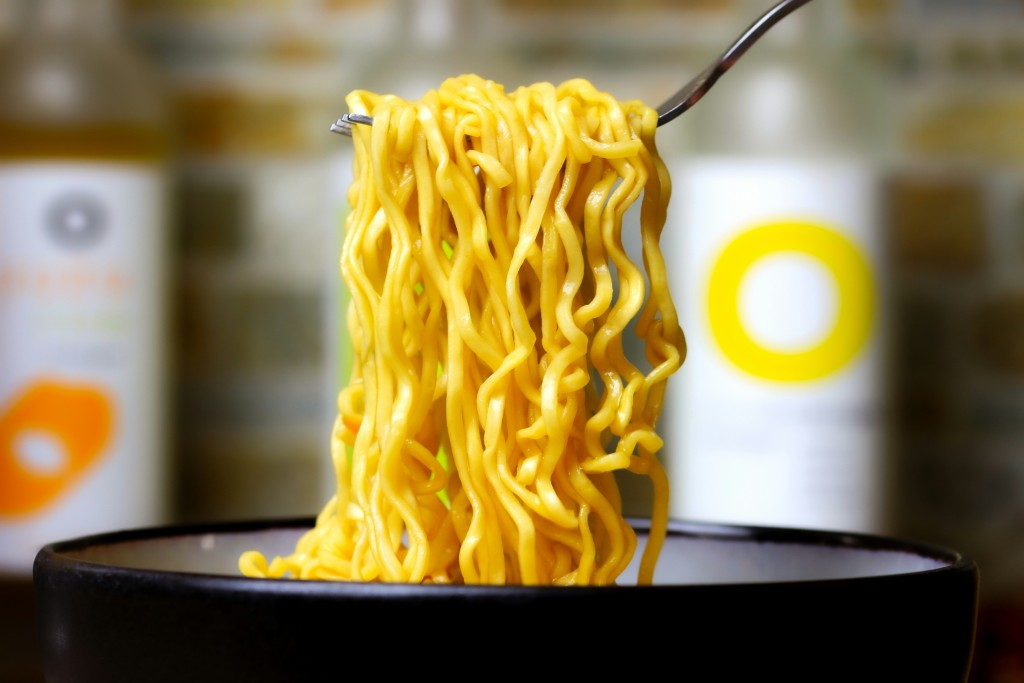
Japan's first "cold-water cup noodle," marketed as being brewable with cold water, recently launched in Hong Kong. A local chain store promoted it as a "one-day limited offer," attracting large crowds queuing in temperatures above 30°C. Many supermarkets and online platforms quickly sold out, sparking widespread discussion. The product is said to have a refreshing texture and less greasiness, leading some to believe that "cold noodles have fewer calories." But are cold-water cup noodles actually healthier? Nutritionist Krista Chan from the Nutri Life Centre was interviewed by Sing Tao Headline to break down the nutritional facts behind this product.
The manufacturer claims the product is designed specifically for hot weather. After five years of research, they developed a patented technology that allows the noodles to be ready after soaking in 5–10°C water for just 5 minutes. The official instructions warn users not to use hot or boiling water to avoid safety risks.
Many early adopters in Hong Kong noted that the cold-water cup noodles tasted lighter and felt healthier. However, nutritionist Krista Chan explains that when comparing the nutrition labels, the calorie, fat, carbohydrate, and sodium content of cold-water cup noodles show no significant difference from traditional hot-water cup noodles—eating them cold does not mean "fewer calories."
Chan reminds that the noodle cake is deep-fried, making its fat content higher than that of non-fried noodles (such as fresh noodles). The soup base is also high in sodium. For people with high blood pressure or those trying to lose weight, she advises consuming them only occasionally, not as a daily staple.
From a nutritional standpoint, there is no concept of "cold foods damaging the spleen and stomach." However, whether served cold or hot, cup noodles themselves are high-fat foods that take longer for the digestive system to process. Chan suggests that individuals with weaker digestive function, sensitive stomachs, and the elderly should reduce their intake of hard-to-digest high-fat foods, including cup noodles.
Some netizens suggested using cold milk, soy milk, or green tea instead of cold water to brew the noodles. Chan analyzed each option:
Milk: Contains fat and protein, which would add extra calories.
Soy Milk: If sweetened, it would increase sugar intake.
Green Tea (unsweetened): Contains almost zero calories and adds no extra fat or sugar.
If choosing among the three, Chan says unsweetened green tea is the relatively better option, as it avoids adding extra calories.
Regarding whether cold-water brewing increases food safety risks, Chan explains that the noodle cake is processed to be free of bacteria, so brewing with either cold or hot water is inherently safe. However, in hot, humid summer weather, leaving the noodles for too long (e.g., an hour or more) could allow bacteria to grow due to moisture and temperature. She emphasises: "Regardless of whether they are served cold or hot, you should consume them as soon as possible after brewing."
Source: Krista Chan, Accredited Nutritionist (Hong Kong Nutritionists Association)