Leaving onions and garlic in the kitchen during summer can attract cockroaches. A nutritionist shares 10 expert food storage tips—one simple step before refrigerating tomatoes can keep them fresh for an extra week.
According to Japanese media Josei Jishin, nutritionist Junko Ikegami points out that summer heat doesn't just affect health—it also causes food to spoil rapidly. Many assume vegetables can be stored at "room temperature," but in food science, "room temperature" means around 20°C. With summer temperatures often exceeding 30°C, the old method of leaving things out no longer works. Many people refrigerate meat and fish but leave vegetables and rice in the kitchen. In high heat, this greatly increases the risk of spoilage, pests, and even food poisoning. Ikegami shares proper storage methods for 10 common ingredients:
Proper Storage for 10 Common Foods:
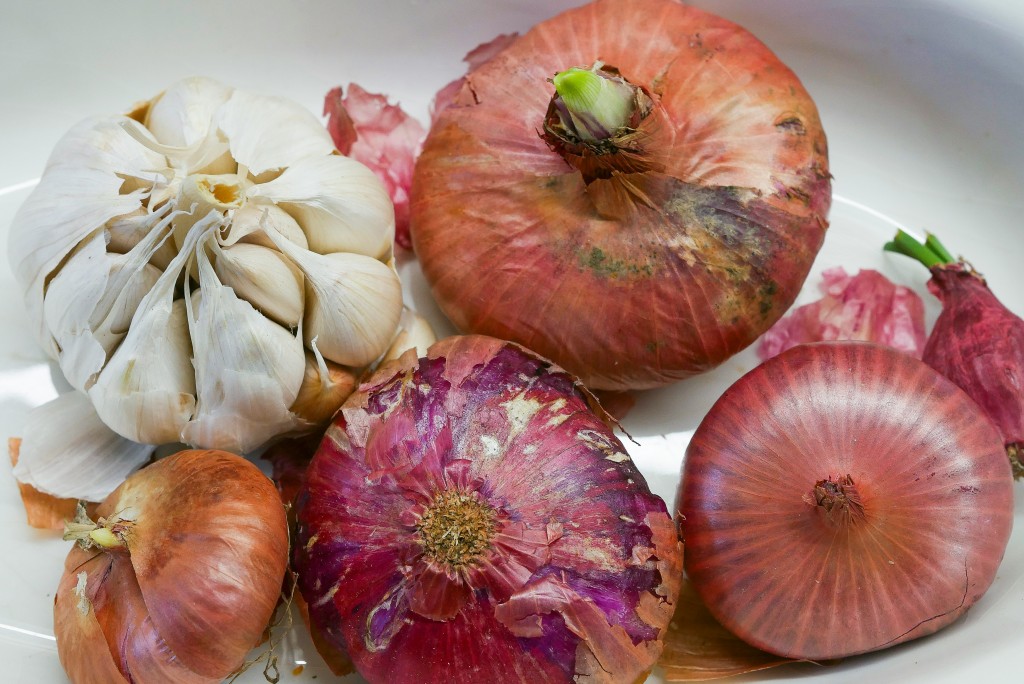
1. Onions and Garlic
Although nutritious, onions and garlic emit odours that cockroaches love in summer. While usually stored at room temperature, it's best to refrigerate them in summer to prevent pests. If you must store them at room temperature, hang them up.
2. White Rice and Brown Rice
In hot weather, store rice in sealed bags in the fridge. Add desiccant or dried chillies to repel weevils. Brown rice, with its nutrient- and oil-rich outer layer, spoils faster than white rice and should never be stored at room temperature. Eating rice with weevils may trigger allergic reactions in some people.
3. Tomatoes and Bell Peppers
Wrap these stem-on vegetables in kitchen paper or newspaper and refrigerate. Store them stem-side down to prevent gravity from pressing on the flesh, reducing the chance of bruising—this can extend freshness by up to a week.
4. Leafy Greens
High heat makes leafy greens wilt, rot, and attract pests quickly. Use different wrapping materials (kitchen paper, newspaper, cling film, plastic bags) suited to each vegetable. Wrapping in a damp paper towel before placing in a plastic bag helps keep leaves crisp through osmosis.
5. Spring Onions, Broccoli, and Cabbage
Wrap in kitchen paper, place in a plastic bag, and store upright in the fridge. Growing upright in the field, laying them flat causes flavour and freshness to decline rapidly.
6. Potatoes
Potatoes are sensitive to light. Wrap them in newspaper and refrigerate.
7. Eggplants (Aubergines)
If the fridge is too cold, eggplants can get chilled. Wrap tightly in kitchen paper or newspaper, place in a plastic bag, and then refrigerate.
8. Bitter Melon (Gourd)
After buying, cut open and remove the soft core and seeds—these spoil fastest. Pat dry, wrap in cling film, and place in a plastic bag before refrigerating to further insulate from cold air.
9. Radish and Okra
These vegetables dry out and soften easily. Wrap in kitchen paper, then place in a plastic or resealable bag and refrigerate.
10. Bean Sprouts
Place bean sprouts in a container, add enough water to cover them, and refrigerate. Change the water every two days to keep them fresh.
Source: Josei Jishin (女性自身)