
Read More

How to store these 10 common foods correctly - Tomatoes are on the list
26-08-2026 12:00 HKT


Do you only think of green tea for lowering blood pressure? Experts point out that 5 common drinks can help lower blood pressure, relax blood vessels, and protect heart health—including a glass of orange juice daily.
According to The Mirror, what you drink is crucial for maintaining a healthy lifestyle. Choosing the right beverages not only hydrates your body but also boosts energy, improves digestion, and can even effectively lower blood pressure. While green tea is often the first thing that comes to mind for heart health, it's not the only option. Many drinks are rich in nutrients and natural compounds like antioxidants or essential minerals. Here are 5 drinks that may be even more effective than green tea for lowering blood pressure:
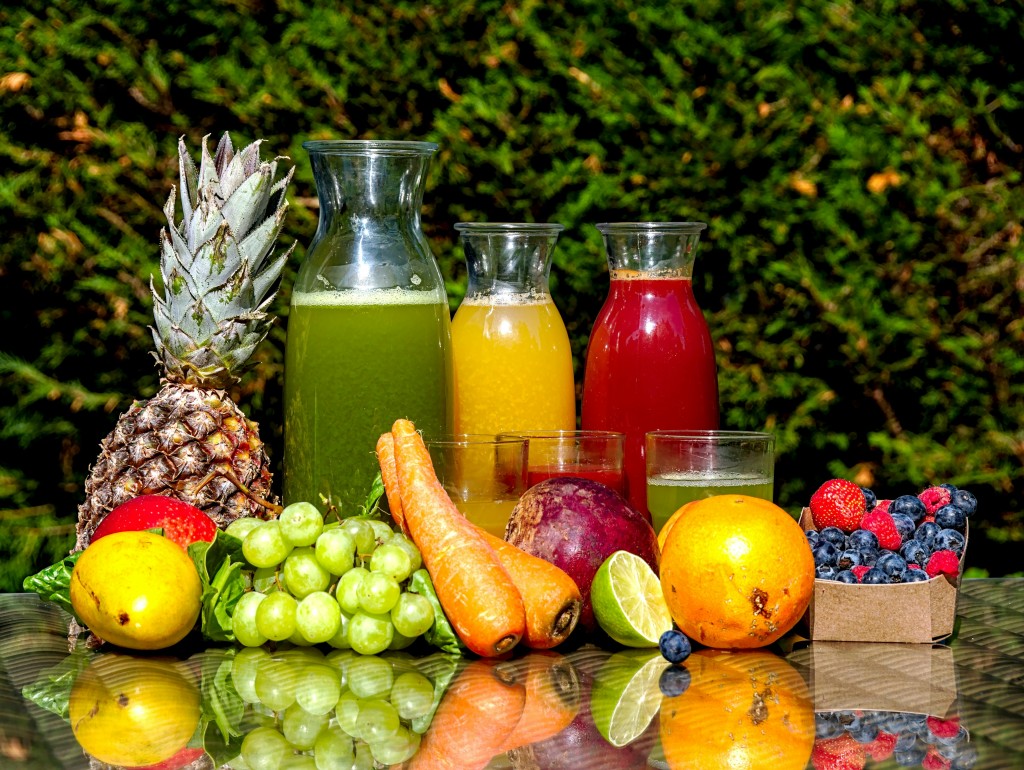
A meta-analysis found that drinking a glass of orange juice daily for several weeks was enough to lower systolic blood pressure in overweight and obese adults, while also increasing HDL ("good") cholesterol levels. Oranges are rich in hesperidin, a flavonoid with antioxidant, anti-inflammatory, and blood pressure-regulating properties. It promotes nitric oxide production in blood vessel walls, helping vessels relax. A small glass of orange juice at breakfast or after exercise is a smart choice for maintaining healthy blood pressure.
Beetroot is rich in dietary nitrates, which the body converts into nitric oxide, helping to relax blood vessels and improve circulation. Studies show that daily consumption of beetroot juice effectively lowers systolic blood pressure in hypertensive patients. Just 75–240 ml per day can significantly improve blood pressure and heart health. For best results, choose 100% pure beetroot juice.
Pomegranate is packed with antioxidants, including punicalagins and anthocyanins, which help maintain arterial elasticity and inhibit enzymes involved in blood pressure regulation. Regular consumption of pomegranate juice is linked to reductions in both systolic and diastolic blood pressure. When buying, choose 100% pure pomegranate juice with no added sugar.
Studies show that drinking two cups of hibiscus tea daily effectively lowers both systolic and diastolic blood pressure, with average systolic pressure dropping by about 7 mmHg. Hibiscus not only helps relax blood vessels but also promotes the excretion of excess fluid from the body.
While research specifically on prune juice and blood pressure is limited, prunes are rich in heart-healthy plant compounds. They are high in antioxidants, potassium, and dietary fibre. Studies indicate that adequate dietary fibre intake supports healthier blood pressure levels and overall cardiovascular health.
According to the 2020–22 Hong Kong Population Health Survey, 29.5% of the non-institutionalised population aged 15–84 has hypertension. The average daily salt intake in this group is 8.4g—168% of the WHO recommended maximum. If blood pressure remains persistently high, it can lead to stroke, coronary heart disease, heart failure, chronic kidney disease, and even premature death.
Hypertension: Systolic pressure persistently at or above 140 mmHg, or diastolic pressure persistently at or above 90 mmHg.
Pre-hypertension: Systolic pressure between 120–139 mmHg, or diastolic pressure between 80–89 mmHg.
Complications of Untreated Hypertension:
Coronary heart disease and heart attack
Heart failure
Stroke
Retinal vascular disease
Kidney failure
Sources: The Mirror, Department of Health (Hong Kong)