The occurrence of a heart attack or stroke is not entirely without warning signs? A large-scale study involving nearly 9 million people indicates that over 99% of patients experience 4 major warning signs before suffering a heart attack, stroke, or heart failure. Alarmingly, one specific group has a risk factor prevalence as high as 93%.
According to a report by Science Alert, a study published in October 2025 in the Journal of the American College of Cardiology (JACC) found that nearly all patients who experienced a heart attack, stroke, or heart failure had at least one poorly controlled traditional cardiovascular risk factor prior to the event.
Key Findings of the Study
The study analyzed two large, population-based datasets: one from the Korean National Health Insurance Service (KNHIS) database involving 9,341,100 adults over 20, and another from the Multi-Ethnic Study of Atherosclerosis (MESA) involving 6,803 participants aged 45-84. Researchers focused on four traditional risk factors: blood pressure, cholesterol, blood sugar, and smoking history. If any of these were at a "non-ideal" level during any medical visit before a cardiovascular event, it was included in the analysis. The "non-ideal" criteria were defined as:
- Blood pressure: ≥120/80 mmHg or receiving antihypertensive treatment.
- Total cholesterol: ≥200 mg/dL or receiving lipid-lowering treatment.
- Blood sugar: Diabetes or receiving glucose-lowering treatment.
- Smoking history: Any history of smoking.
During the follow-up period, 601,025 and 1,188 cardiovascular events were recorded in the KNHIS and MESA cohorts, respectively. The results revealed:
- Nearly 99% of patients who experienced a heart attack, stroke, or heart failure had at least one of the four risk factors present before the event.
- Even in the lowest-risk group—women under 60—over 95% of heart attack or stroke cases were linked to one of these pre-existing risk factors.
- In both US and Korean data, over 93% of patients who had a heart attack, stroke, or heart failure already had hypertension before the event.
Dr. Philip Greenland, a cardiologist at Northwestern University and study author, stated, "This study very strongly suggests that before these cardiovascular disease outcomes occur, the likelihood of having been exposed to one or more non-optimal risk factors is essentially 100%." He emphasized that the goal should be to intensify efforts in controlling these modifiable risk factors, rather than diverting focus to other, less treatable, and non-primary causative factors.
Two Common Cardiovascular Diseases: Stroke and Heart Disease
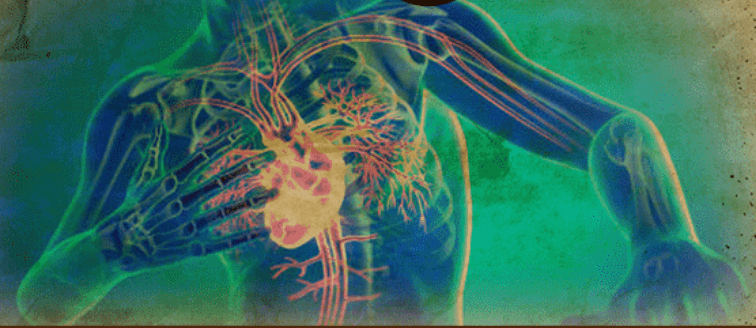
Compromised heart health can lead to stroke and heart disease, which can be fatal. Be aware of the following signs and symptoms:
Common Stroke Symptoms (according to the Hong Kong Department of Health):
Patients typically experience symptoms such as:
- Sudden weakness, numbness, or paralysis of the face, arm, or leg (especially on one side of the body).
- Slurred speech or loss of speech ability.
- Facial drooping, drooling.
- Blurred or lost vision.
- Severe headache.
- Dizziness, loss of balance or coordination, unsteady gait or falls.
- Difficulty swallowing.
- In severe cases, loss of consciousness or even death.
Common Heart Disease Symptoms (according to the Hong Kong Department of Health):
"Heart disease" encompasses various heart-related conditions (e.g., coronary heart disease, myocardial infarction). The most fatal is Coronary Heart Disease (CHD), where cholesterol plaques narrow the coronary arteries, reducing blood supply to the heart muscle. Common symptoms include:
- Myocardial Infarction (Heart Attack): Angina pain intensifies and prolongs, persisting even with rest or heart medication.
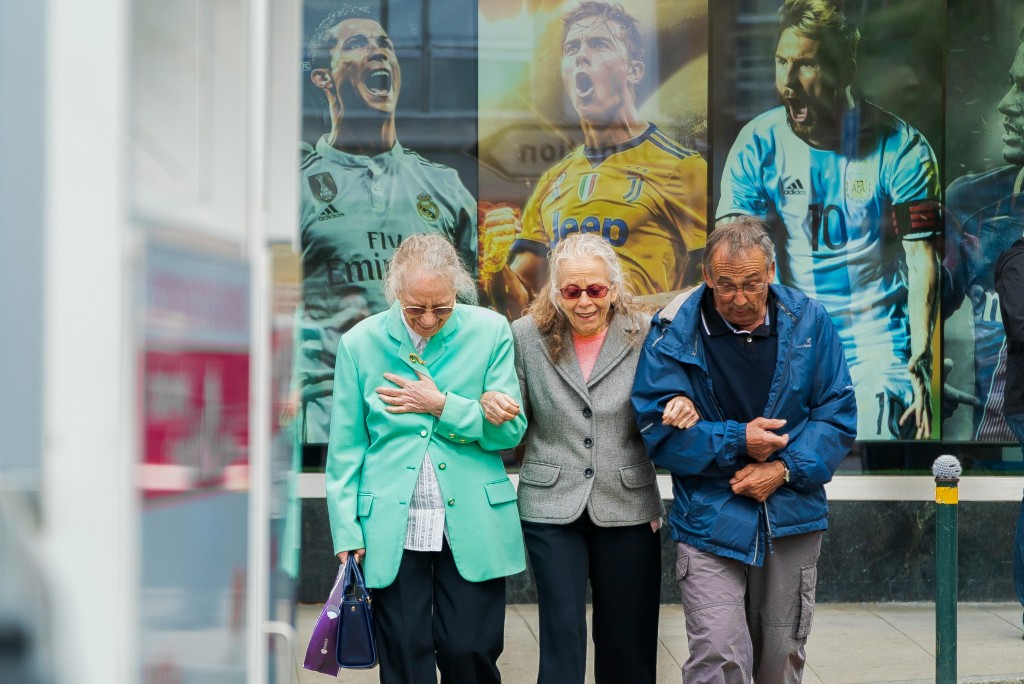
- Angina: Patients with CHD often experience chest pain—a feeling of pressure or squeezing, as if a heavy weight is on the chest—during exertion or emotional stress. Pain may spread to the arms, shoulders, neck, or jaw and may ease with rest after a few minutes.
- Shortness of Breath: Due to insufficient blood supply to the heart muscle, patients may feel breathless and fatigued during activity.
- Other Symptoms: Palpitations, dizziness, sweating, nausea, and general weakness.