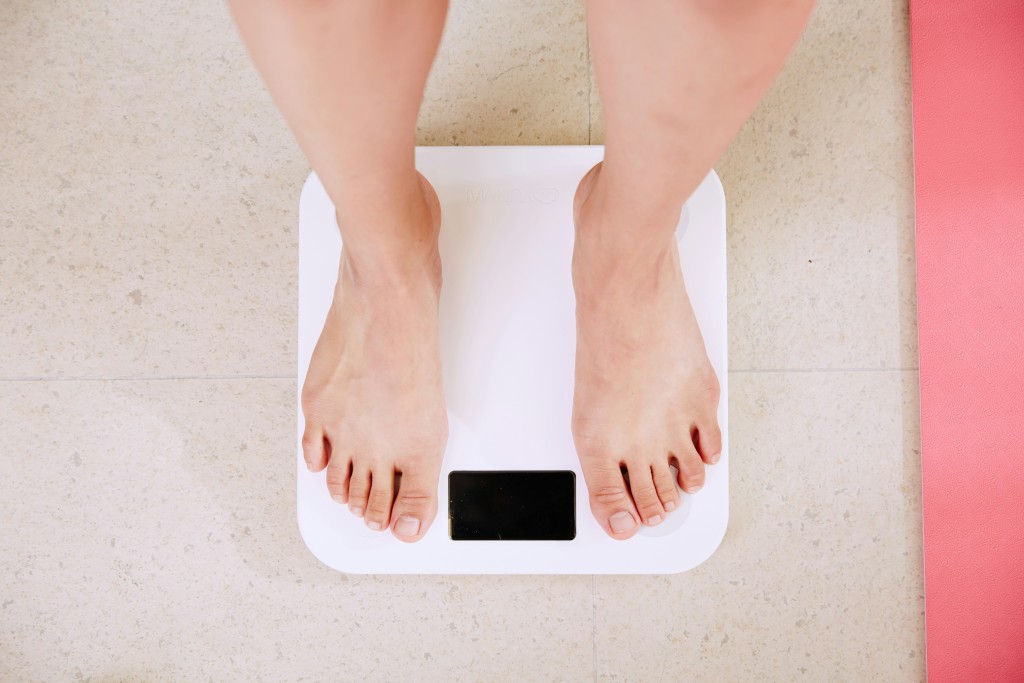
Waist circumference isn't just about appearance—it's a key indicator of overall health. An oversized waist often signals excess visceral fat, significantly increasing the risk of cardiovascular disease and diabetes. Here's how to measure correctly, along with tips for trimming your waistline and maintaining a healthy figure.
According to Department of Health guidelines, measuring your waist correctly is simple. Follow these 4 steps at home:
- Remove any items around your waist, such as wallets or mobile phones.
- Breathe naturally and place the measuring tape around your waist as you exhale.
- Measure at the midpoint between the bottom of your last rib and the top of your hip bone.
- Avoid compressing the abdominal tissue.
Waist Circumference Warning Lines (for Asian Adults)
Exceeding the following limits indicates central obesity, even if BMI is normal:
- Adult Men: Waist circumference should be less than 90 cm (approx. 36 inches).
- Adult Women: Waist circumference should be less than 80 cm (approx. 32 inches).
Excess Visceral Fat Increases Risk of Chronic Diseases
Ignoring a widening waist can lead to metabolic syndrome, increasing the risk of type 2 diabetes, coronary heart disease, stroke, fatty liver, and certain cancers (such as colorectal cancer). Since chronic diseases linked to central obesity are costly to treat, it's important not only to adopt healthier habits but also to review your health and critical illness insurance coverage to prepare for potential medical expenses.
Low-Oil, Low-Salt, High-Fibre Diet + Regular Exercise
To effectively reduce waist circumference and lose visceral fat, combine dietary changes with regular physical activity:
Dietary Principles:
- Follow a low-oil, low-sugar, low-salt, and high-fibre diet.
- Avoid sweets and late-night snacks.
- Eat more dark green vegetables and calcium-rich soy products.
- Drink plenty of water to boost metabolism.
Recommended Exercises:
- Engage in moderate-intensity aerobic activities like brisk walking, swimming, or jogging for at least 150 minutes per week.
- Add abdominal strength exercises like sit-ups or hip raises to tone and shape your waistline.
Source: Department of Health (Hong Kong)