An upscale beauty brand founded by Mao Geping, one of China's most famous make-up artists, is on the cusp on going public in Hong Kong after several failed attempts in Shanghai.
Named after its founder, Mao Geping Cosmetics has passed its listing hearing and could be looking to raise up to US$300 million (HK$2.3 billion) in its initial public offering, according to reports.
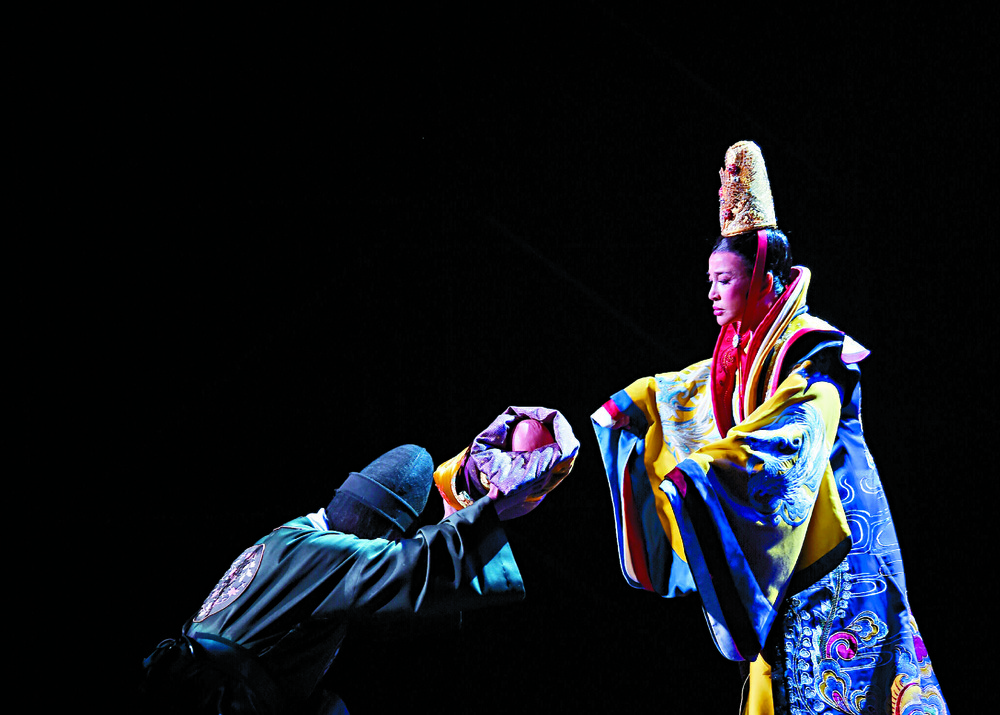
Founder Mao made a name for himself on the 1995 Wu Zetian TV series, when he did all make-up for star actress Liu Xiaoqing, who portrayed China's most famous empress from a 15-year-old teenager to an 82-year-old lady, in a remarkable display of his skills.
While Mao is best known among people born in the eighties, has also found fame among China's youngsters thanks to social media and some astute marketing.
More than 80 percent of his 900,000 followers on Chinese video-sharing platform Bilibili (9626) are Gen Zers, even though he's only posted 16 videos on the platform in four years.
Mao got the attention of Generation Z after fans uploaded make-up tutorials he had done 20 years on the platform while vlogs made by him and fashion magazines set social media on fire over his impressive techniques and aesthetic use of light and shadow.
KEY MARKET PLAYER
Founded in 2000, Mao Geping Cosmetics primarily operates two beauty brands: Maogeping and Love Keeps, offering a portfolio of color cosmetics and skincare products.
The company is the only domestic market player among the top 10 premium beauty groups in China, ranking seventh by retail sales in 2023 with a market share of 1.8 percent, according to Frost & Sullivan.
Its profits have been on the rise over the past three years - from 331 million yuan (HK$362.46 million) in 2021 to 352 million yuan in 2022 and 664 million yuan in 2023 - while its revenue has jumped by 83 percent over the same period to 2.89 billion yuan.
The company's gross profit margin was above 80 percent in the three-year period and in the first half of this year its net profit margin was 25 percent.
In comparison, the average gross profit margin of international beauty leaders like L'Oreal, Shiseido and Estee Lauder are around 75 percent and their net profit margins are rarely above 15 percent.
Though Maogeping is a premium brand it is slightly cheaper than rivals like Estee Lauder and Lancome.
For comparison, a bottle of 30-milliliters Maogeping foundation costs 350 yuan and a tube of lipstick is priced at 250 yuan while Estee Lauder's foundation is priced at 470 yuan online while a tube of Lancome lipstick costs 360 yuan.
On the other hand, Maogeping's prices are higher than other newer local brands.
Perfect Diary, for instance, sells lipstick at 59 yuan while Judydoll, a color cosmetics brand founded in 2017, sells foundation at 90 yuan a bottle.
More than 87 percent Mao Geping's sales are color cosmetics and one of its best-sellers - a luminous cream foundation product series - achieved sales of over 200 million yuan in the first half of the year.
However, China's skincare market is nearly four times bigger than the color cosmetics market and was worth 463 billion yuan last year, according to Frost & Sullivan.
And even though the company only has 50 skincare products - for less than 13 percent of its overall portfolio - 43 percent of its revenue came from skincare products in the first-half.
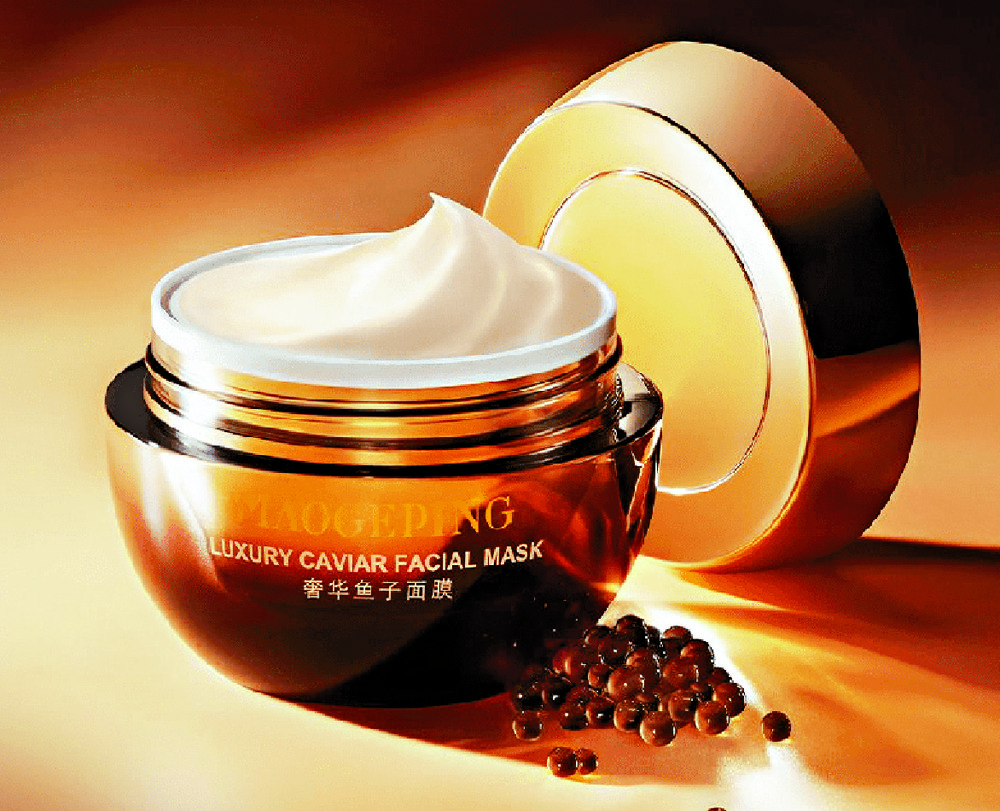
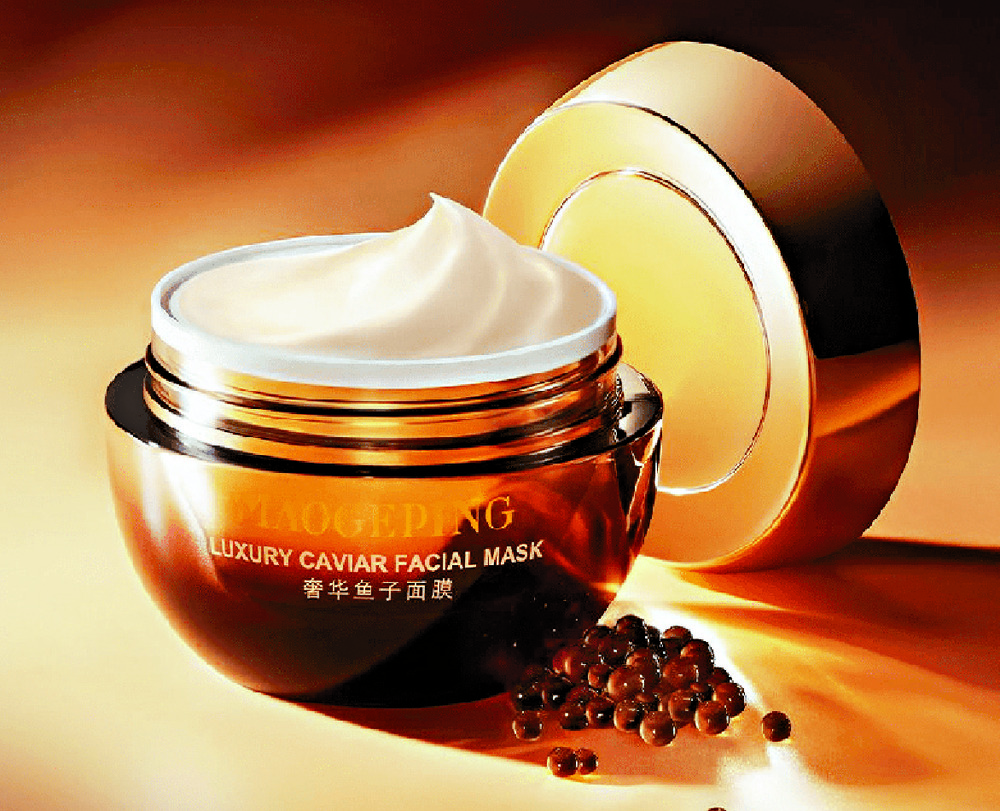
Its most popular skincare product - the Luxury Caviar Facial Mask - sold at 359 yuan for 30 grams and achieved sales of over 450 million yuan in the first-half.
CONCERNS OVER MODEL
Mao Geping has been trying to go public since 2016 and its fifth attempt comes after four earlier attempts to list in the A shares market.
Its business model, product range, and research and development has also come under scrutiny from analysts.
Mao Geping's products are mostly produced by contract manufacturers and lack diversity, they say.
Premium brands put a lot of effort into R&D. For instance, core ingredients like L'Oreal's Pro-Xylane, Estee Lauder's Bifida Ferment Lysate and SK-II's Pitera have considerably boosted the fortunes of these beauty brands, Dongxing Securities points out.
However, while these top brands spend between 1.5 and 3.5 percent of their revenue on R&D, Mao Geping's R&D expenses have been under 1 percent in the last three years and just 0.83 percent in 2023, according to the CSC Financial.
Among its strong points, Mao Geping has one of the largest number of counter staff among all local and international beauty brands in China, with over 2,700 beauty advisors at 372 counters nationwide, according to the prospectus.
They offer customers personal make-up trials, comparison demonstrations, and customized consultations, organize make-up shows and events.
Most of these staff have graduated from Mao's make-up school.
The brand, therefore, would seem to place more emphasis on Mao's reputation and its staff's skills than patented ingredients, with brick-and-mortar shop sales accounting for nearly 51 percent of percent of its revenue in the first six months of 2024.
Its flagship brand Maogeping has accounted for 99 percent of its revenue in the past three years which means its mass-market Love Keeps color cosmetics and skincare brand launched in 2008 hasn't emerged as a second area of growth.
A portfolio of diverse and complementary brands is vital for beauty players, especially in a fast-changing and highly competitive market like China's.
L'Oreal offers more than 20 brands ranging from color cosmetics to hair care that target all sectors of the market, from budget buyers to high-end shoppers.
During 2008, when the financial meltdown rocked the world, L'Oreal's Maybelline and L'Oreal Paris helped the French brand survive those testing times.
And three years ago, amid challenges from upstart Chinese brands like Proya, MedRepair and Winona which target the mass market, L'Oreal shifted its focus to the luxury market with its Luxe Division - which includes Lancome and Kiehl's - recording a revenue growth of 21 percent in 2021 in the mainland.
Mao Geping plans to explore and pursue investment and acquisition opportunities in brands with potential for growth and offer synergies that complement its existing brand portfolio.
While nearly 90 percent of the company is owned by Mao and his wife's family, it paid dividends twice in the first half of the year to its shareholders worth a total of 1 billion yuan.
Chanson & Company chief executive Shen Meng said that Mao Geping's high gross profit margin is a positive, "the stability and sustainability of cash flow are the medium and long-term indicators that investors are more concerned about. Managing risks through paying dividends and passing on the liquidity stress to post-IPO investors may affect the sentiment of potential investors."
China International Capital Corporation as the sole sponsor for Mao Geping's IPO.
BESTSELLER: The Maogeping luxury facial mask.
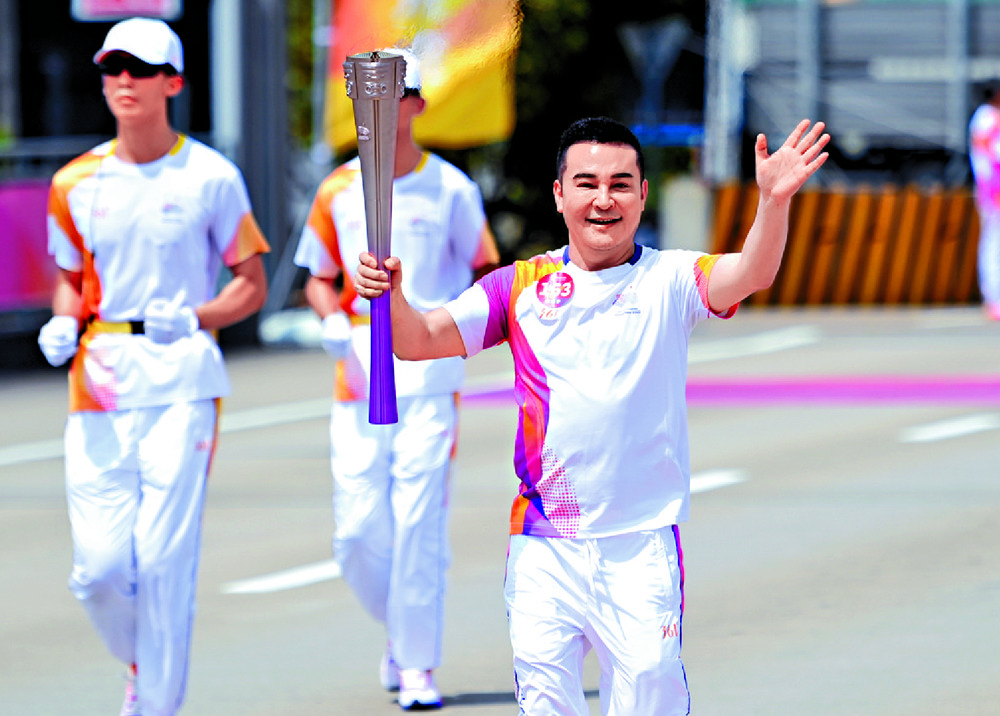
MAKE-UP LEGEND: Mao Geping was one of the torchbearers at the 2022 Asian Games in Hangzhou.
LEADING ROLE: Liu Xiaoqing plays Wu Zetian during a 2015 staging of the drama in Beijing.