Kelly Chow
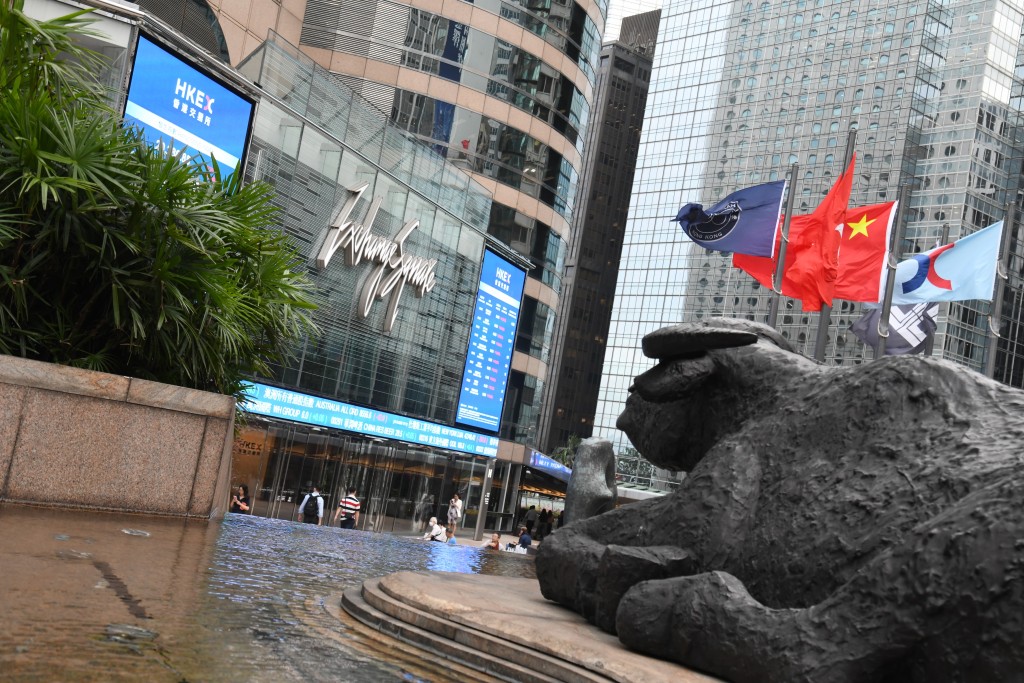
China's largest express delivery firm SF Holding has reapplied for a secondary listing in Hong Kong.
Founded in Guangdong in 1993 by Wang Wei, a Shanghai-born businessman who grew up in Hong Kong, the Shenzhen-listed SF Express, as it is also known, first applied last year to raise between US$2 billion (HK$15.6 billion) and US$3 billion in a secondary listing.
SF Express was the fourth largest player of its kind in the world in terms of revenue with a 0.7 percent market share in 2023, according to a Frost & Sullivan report.
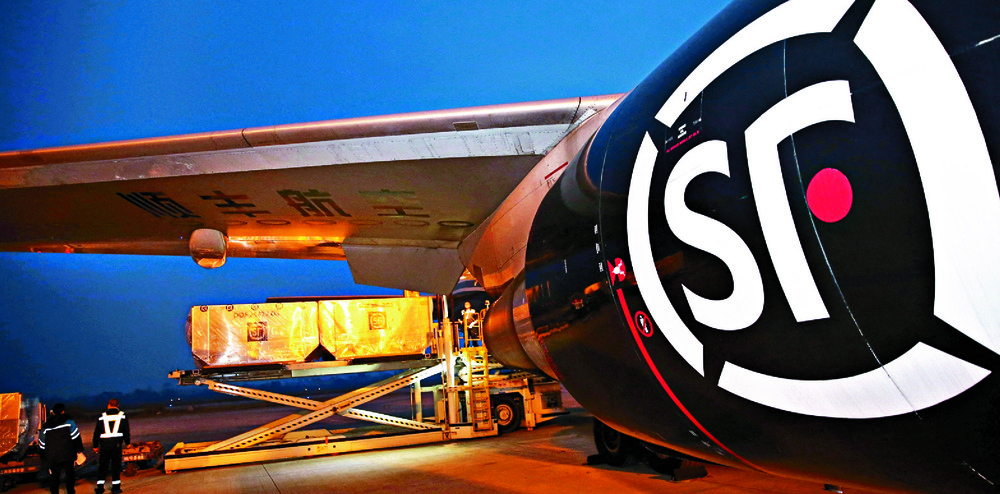
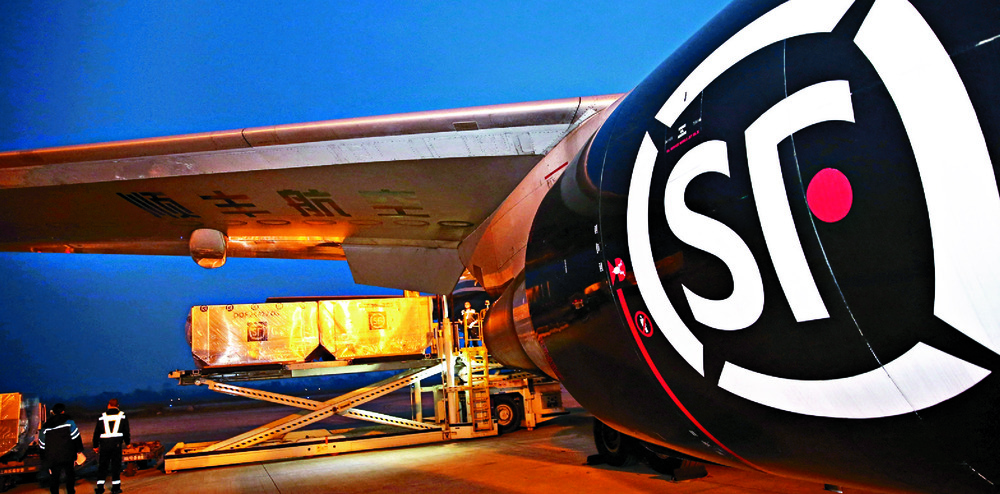
Its network covers 202 countries and regions and its fleet of 103 aircraft and over 200,000 vehicles is the largest in Asia.
With two million active accounts and 663 million retail customers in 2023, SF has dominated other logistics service providers in Asia, the report states.
In China, SF operates in a number of sub-sectors such as intra-city on-demand, express, end-to-end supply chain solutions, cold chain logistics and less-than-truckload or LTL freight with market shares of 13.8 percent, 11.7 percent, 3.2 percent, 2.2 percent and 1.7 percent respectively.
While SF failed to push through with its share sale in its first attempt, one of its rivals J&T Express (1519) successfully went public in the city last year.
J&T's revenue grew 21.8 percent to US$8.85 billion in 2023. It made a gross profit of US$472.8 million while adjusted earnings before interest, taxes, depreciation, and amortization of US$146.7 million turned positive for the first time.
SF's net profit in 2023 surged 32 percent to 8.23 billion yuan (HK$8.95 billion) compared to the previous year but its revenue declined by 3.39 percent to 258 billion yuan year-on-year.
Founder Wang has said that SF wants to accelerate the speed of its overseas business expansion and further build an international brand image, and expand rapidly by raising foreign funds.
Earlier this year, Cainiao, a logistics rival owned by Alibaba (9988), called off its plan for an initial public offering in Hong Kong that would have raised up to US$1 billion.
Alibaba also offered to buy back shares from minority shareholders, saying that the withdrawal and the buyback offer aimed to "better realize strategic synergies" with its Taobao and Tmall e-commerce businesses and support Cainiao execute a long-term expansion of its global network.
Industry watchers believed the IPO was postponed because of poor market conditions.
However, SF's position is not the same as Cainiao's, as it needs funds for growth.
SF is aware that the logistics industry is highly sensitive to changes in macroeconomic conditions.
During economic downturns in countries and regions where it operates, lower demand for logistics services will likely exert downward pressures on its prices and margins, resulting in lower profitability, it warns.
Last year, SF's net profit margin was 3.2 percent. Its total liabilities had surged 240 percent from 34.7 billion yuan in 2018 to 118.2 billion yuan last year.
SF has used all of the 20.07 billion yuan funds it's raised so far, including 2.97 billion yuan in 2023.
Amid intense competition in the mainland and the rapid growth of international e-commerce, SF needs to grasp this opportunity to go public in the city.
The joint sponsors for the share sale are Goldman Sachs, Huatai International and JP Morgan.
If SF Express successfully goes public, it will be the first logistics player to be listed in both the A-share and H-share markets.
ON THE FAST TRACK: SF's fleet includes 103 aircraft and more than 200,000 vehicles.